Art from Rubble: Creating Hope Through Art in Gaza
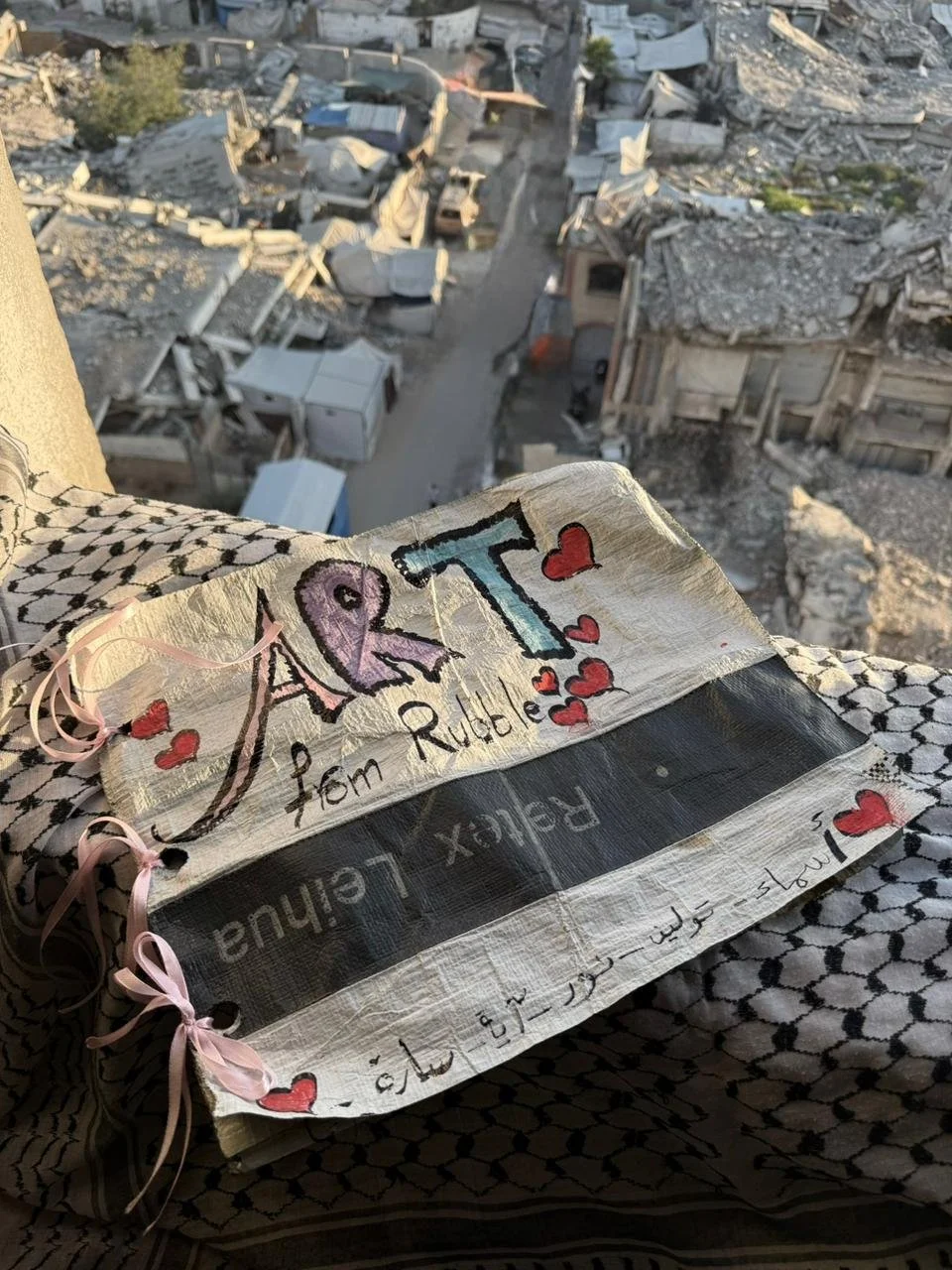
Art can emerge from the most unexpected places. A piece of cardboard, a stone, a damaged wall, or an old piece of fabric can become something beautiful in a child's hands. In Gaza, where children face displacement and uncertainty, art has become a way to express feelings, explore imagination, and create moments of hope.
Art from Rubble is a creative project that encourages children to transform ordinary and discarded materials into meaningful works of art. As we celebrate the project's anniversary, we look back on a journey filled with creativity, collaboration, and small but powerful moments of joy.
Throughout the project, children have painted walls, paper, and stones; created clay sculptures; shaped soaked cardboard into new objects; and explored sewing and textile activities. These experiences have taught them that creativity does not depend on expensive materials. Sometimes, a simple object and an imaginative idea are all it takes to create something meaningful.
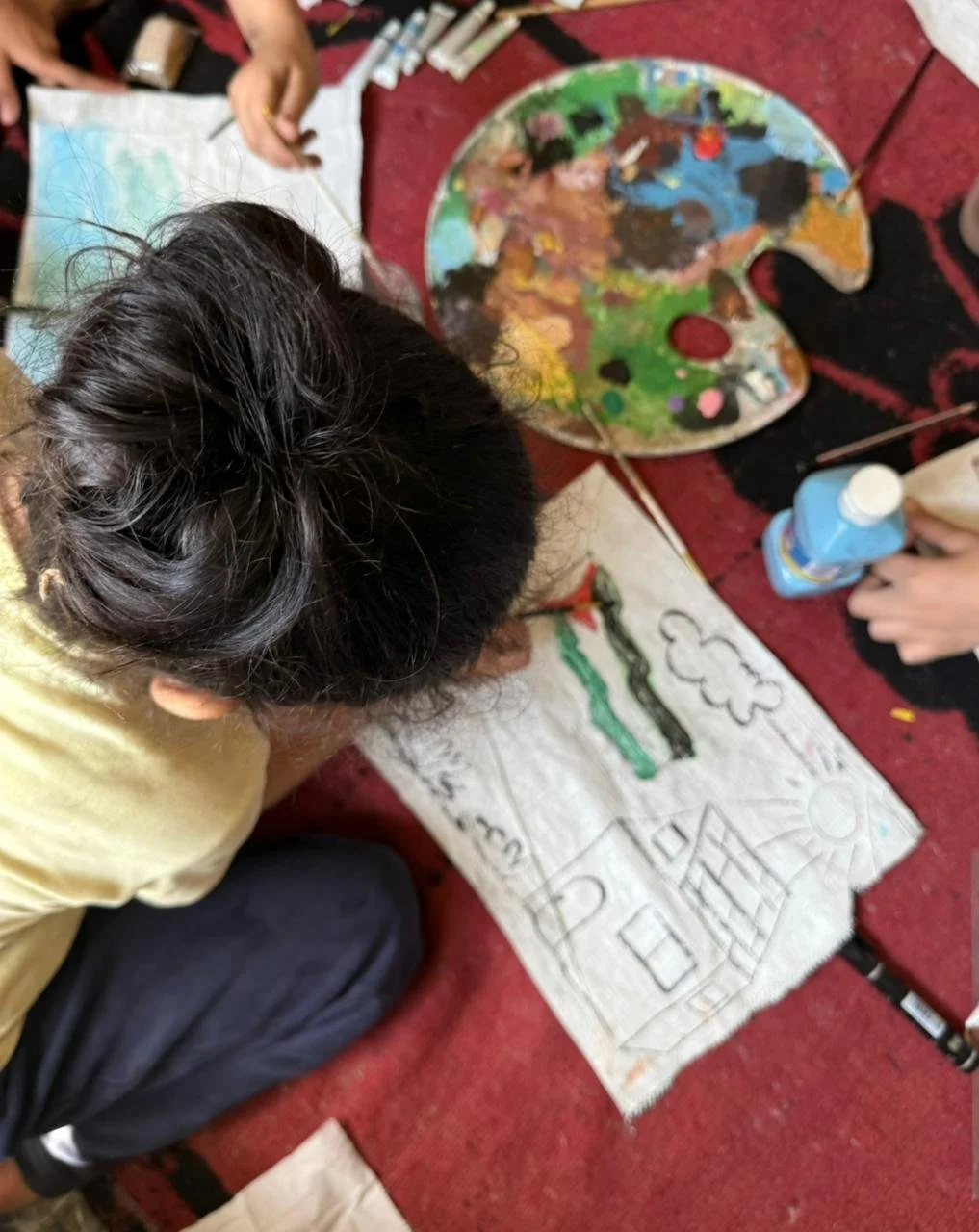
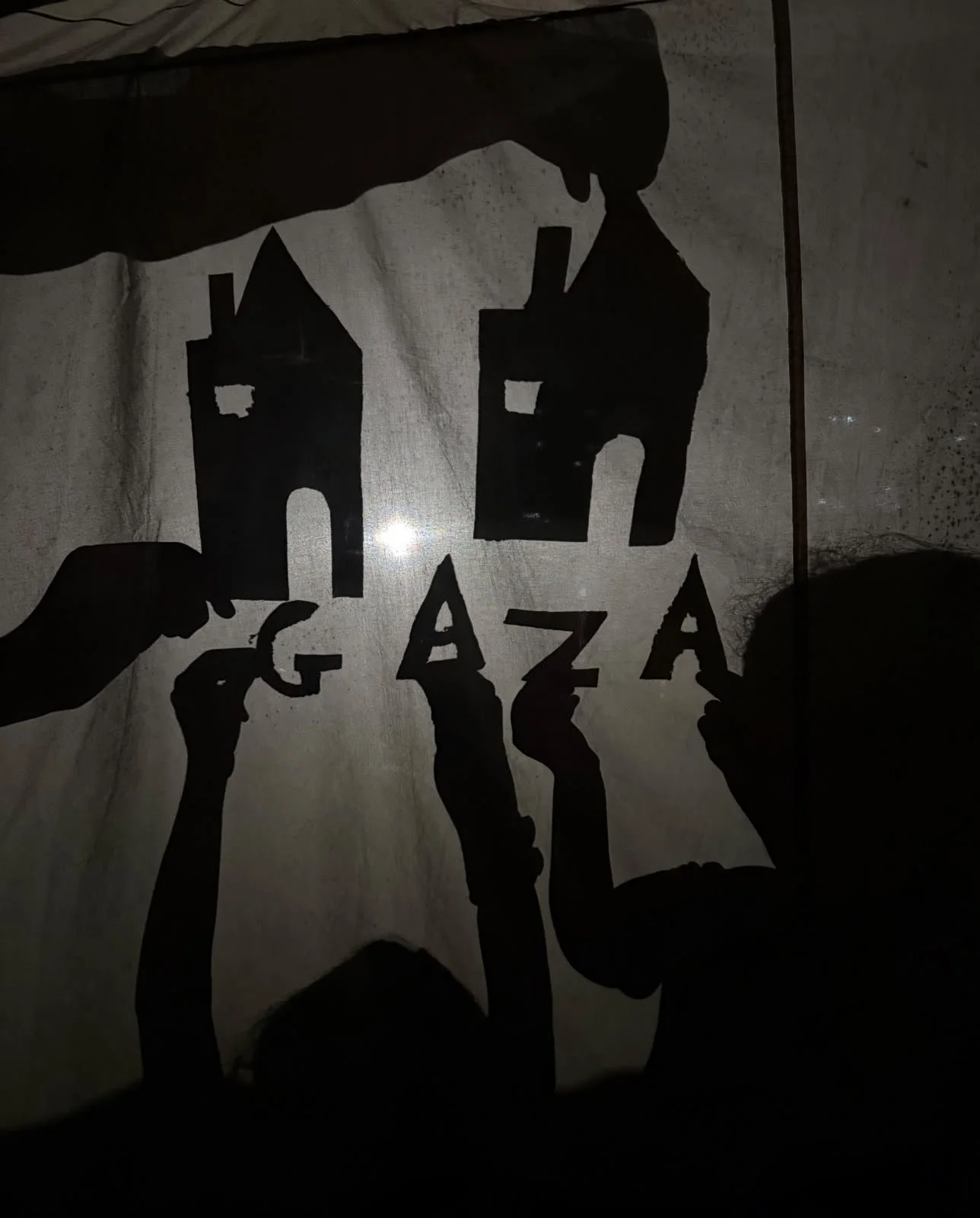
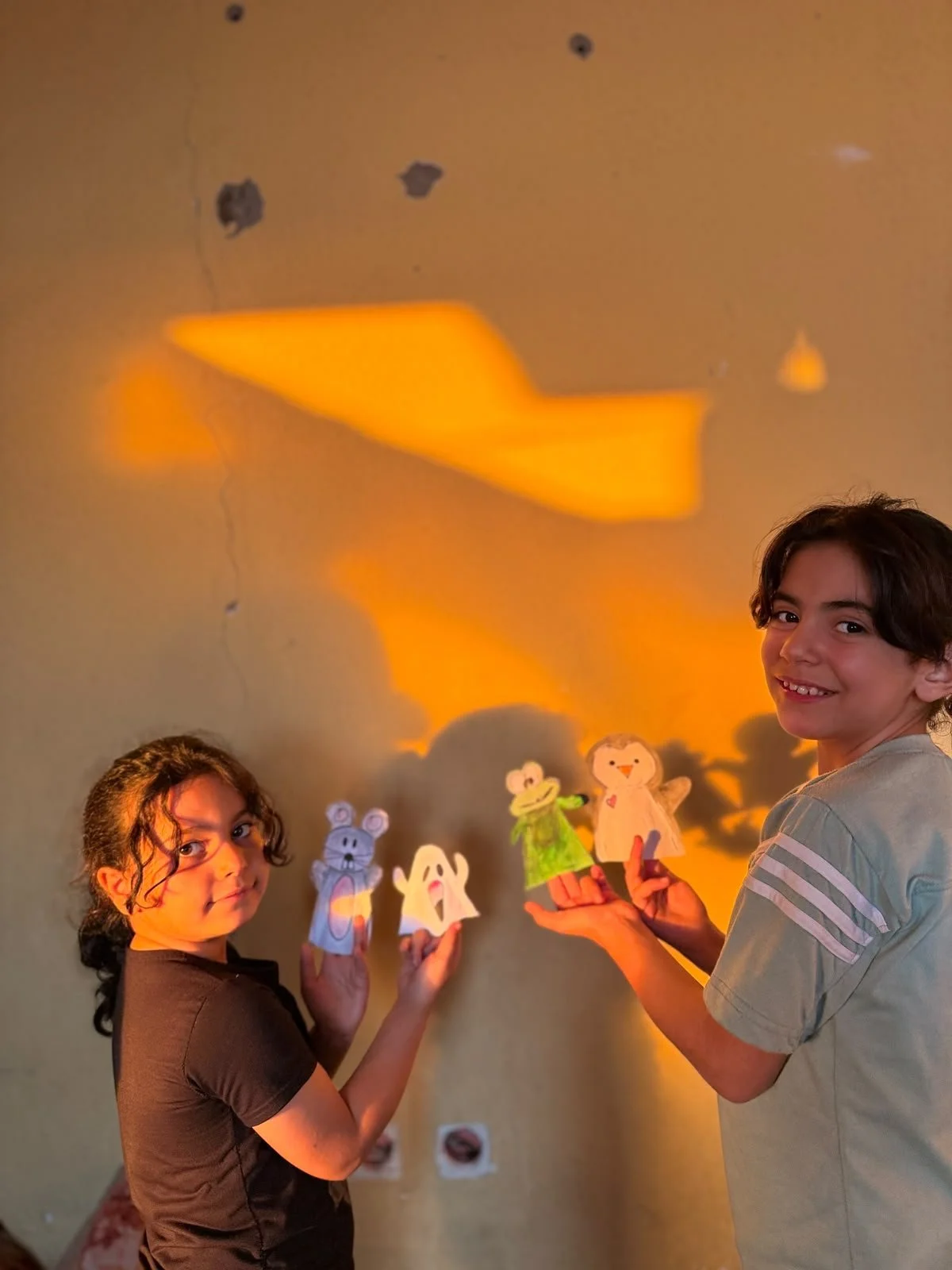
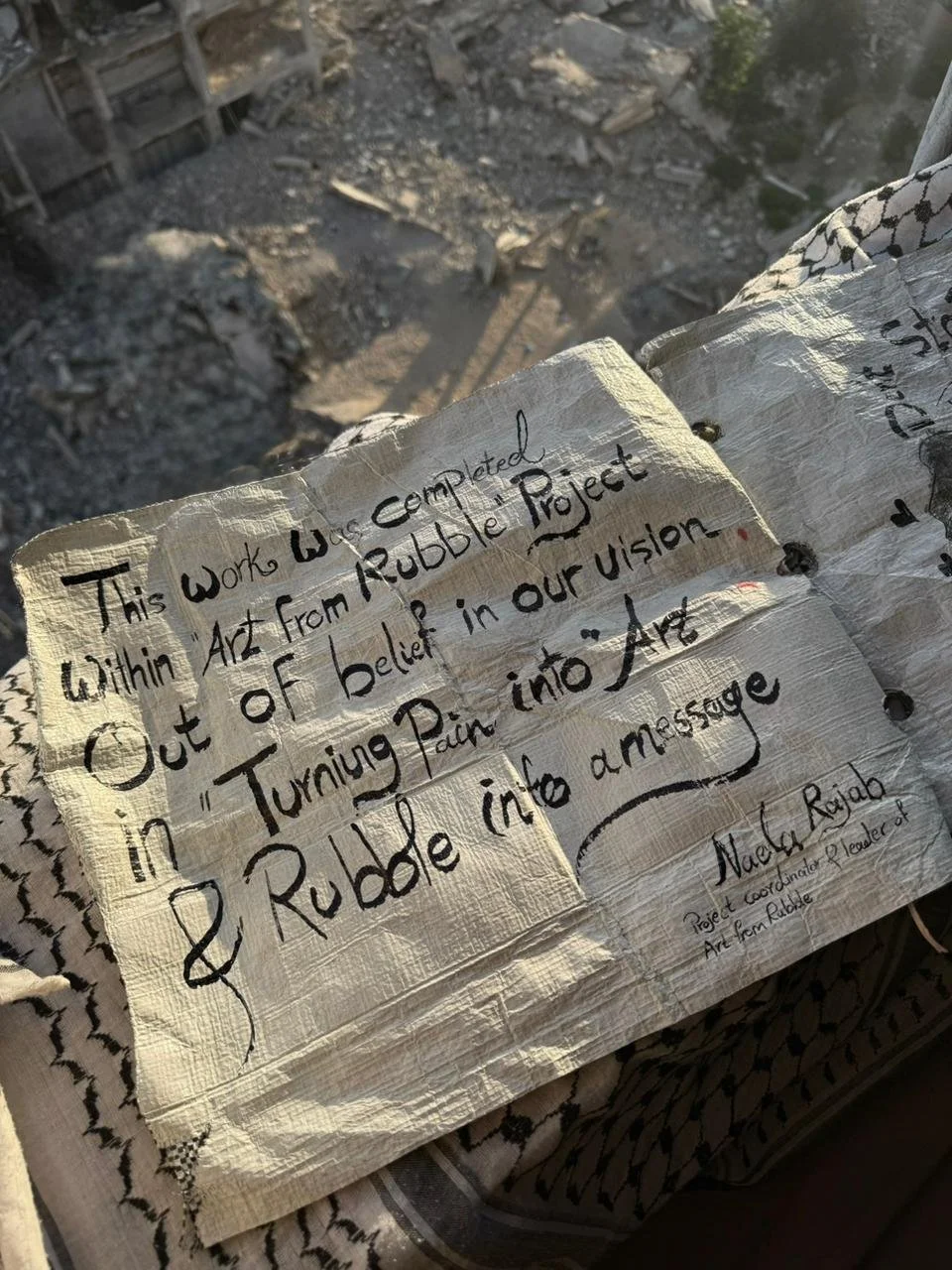
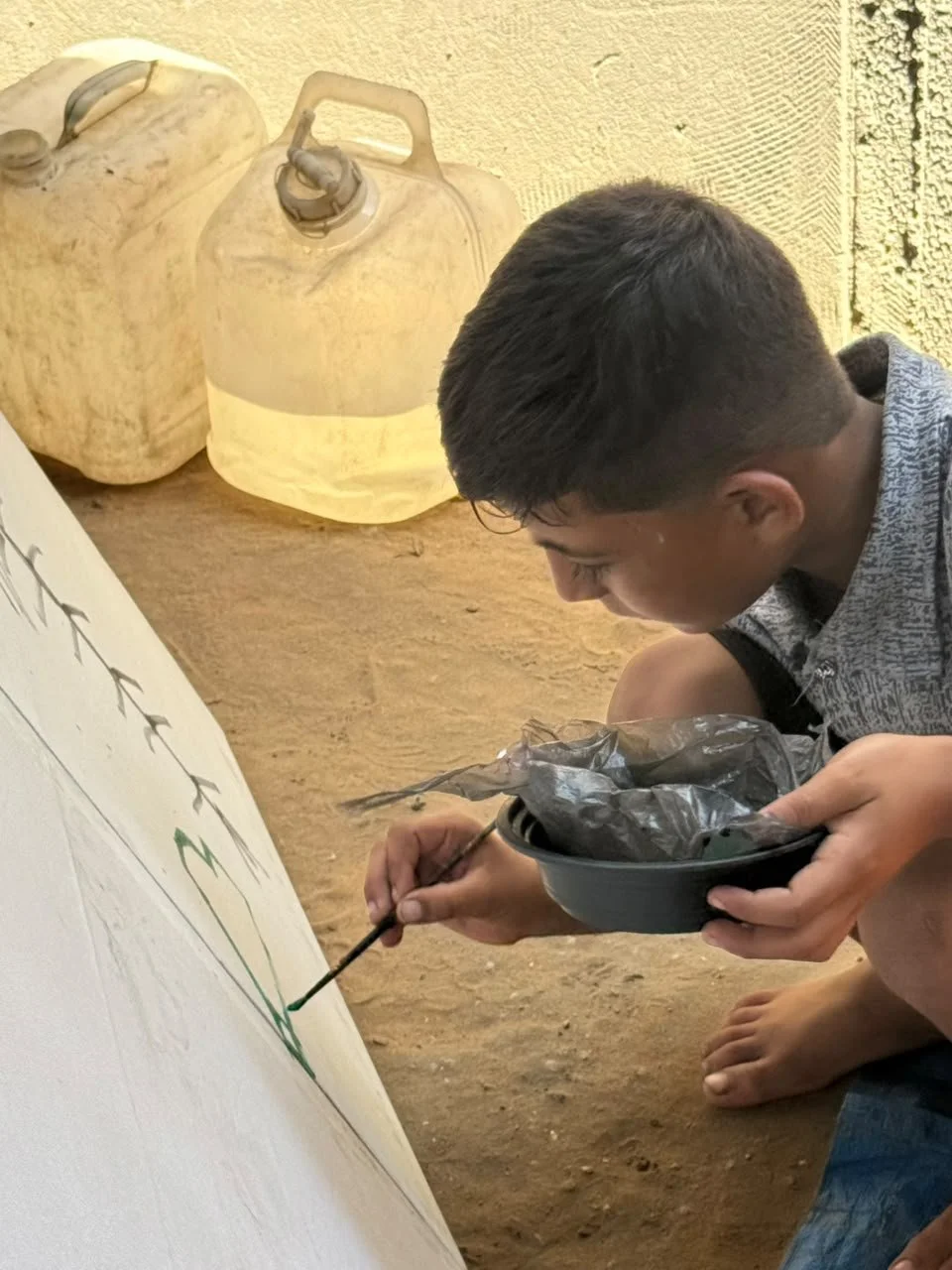
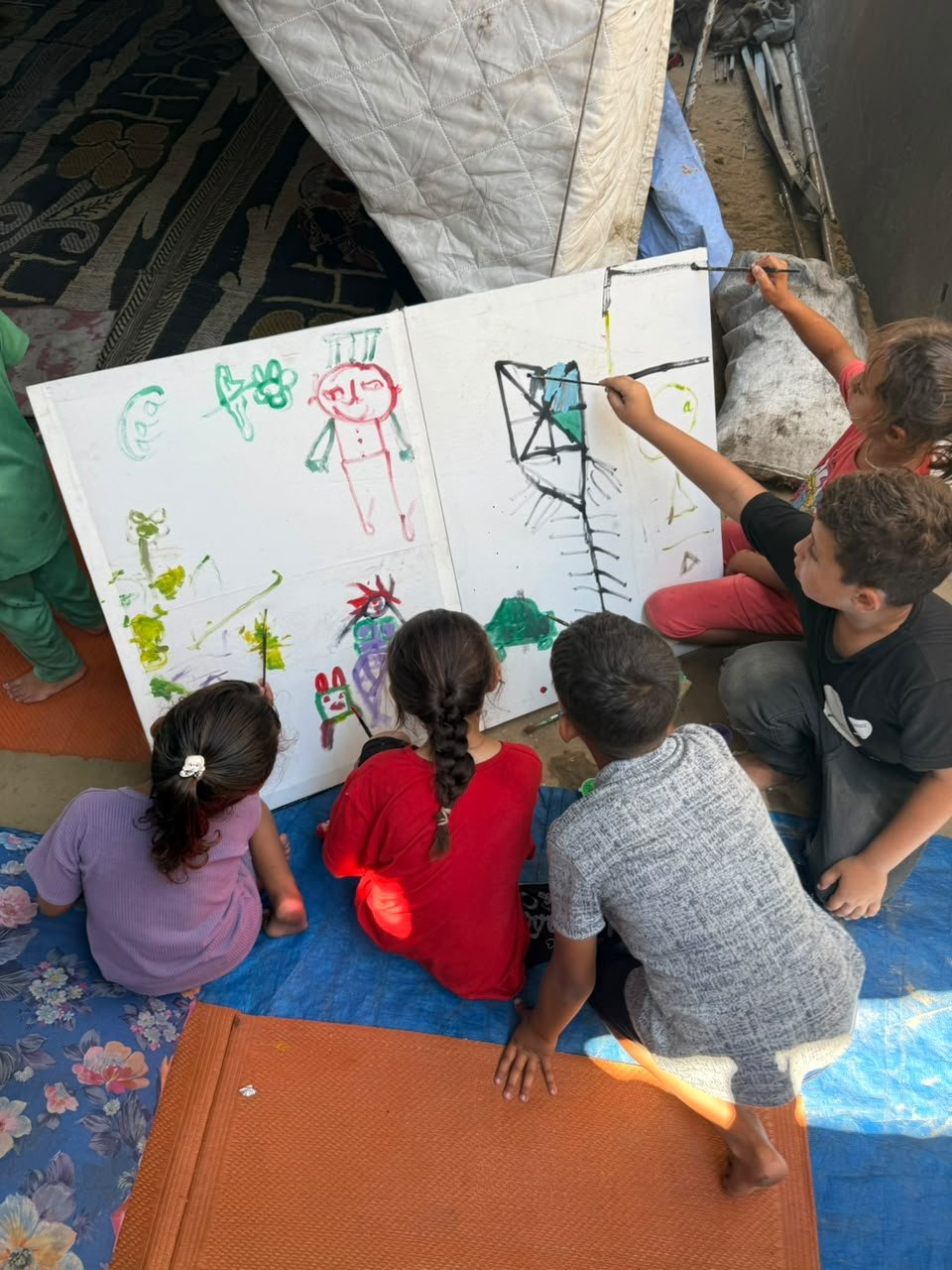
During times of crisis, we also used art as a therapeutic tool to help children express their feelings and cope with stress and uncertainty. We wanted to offer them a safe space where they could release emotions that were sometimes difficult to put into words. One of our activities was called “Art Line – One Line, One Colour.” Through simple lines and colours, children explored their feelings and imagination without worrying about creating perfect pictures. They were free to express themselves in their own ways. Sometimes, a simple line or a chosen colour could communicate feelings that words could not. In these moments, art became more than a creative activity; it became a gentle way of supporting children's emotional well-being during difficult times.
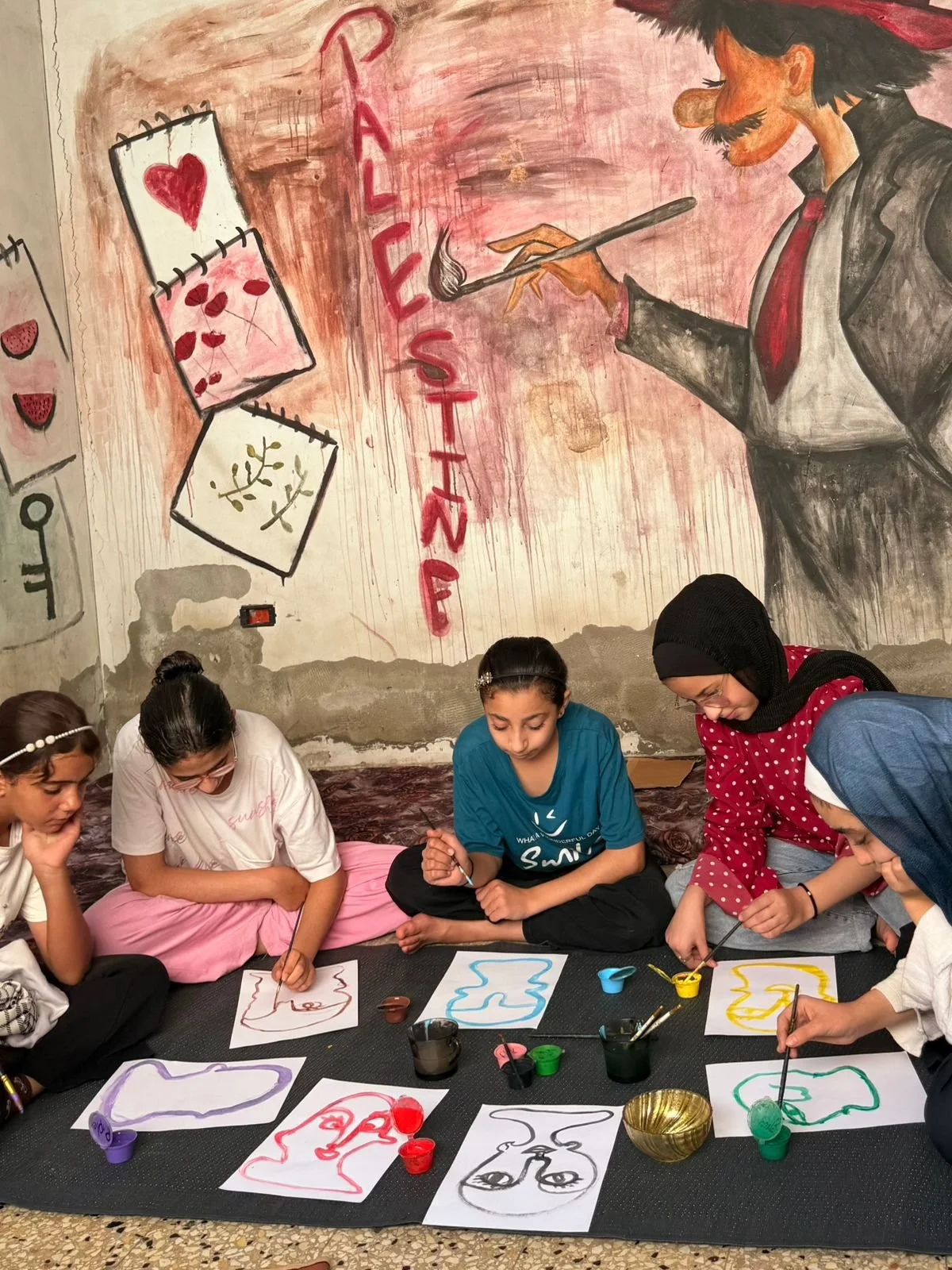
But Art from Rubble is about much more than making art. It is about connecting children, sharing stories, and creating a sense of belonging.
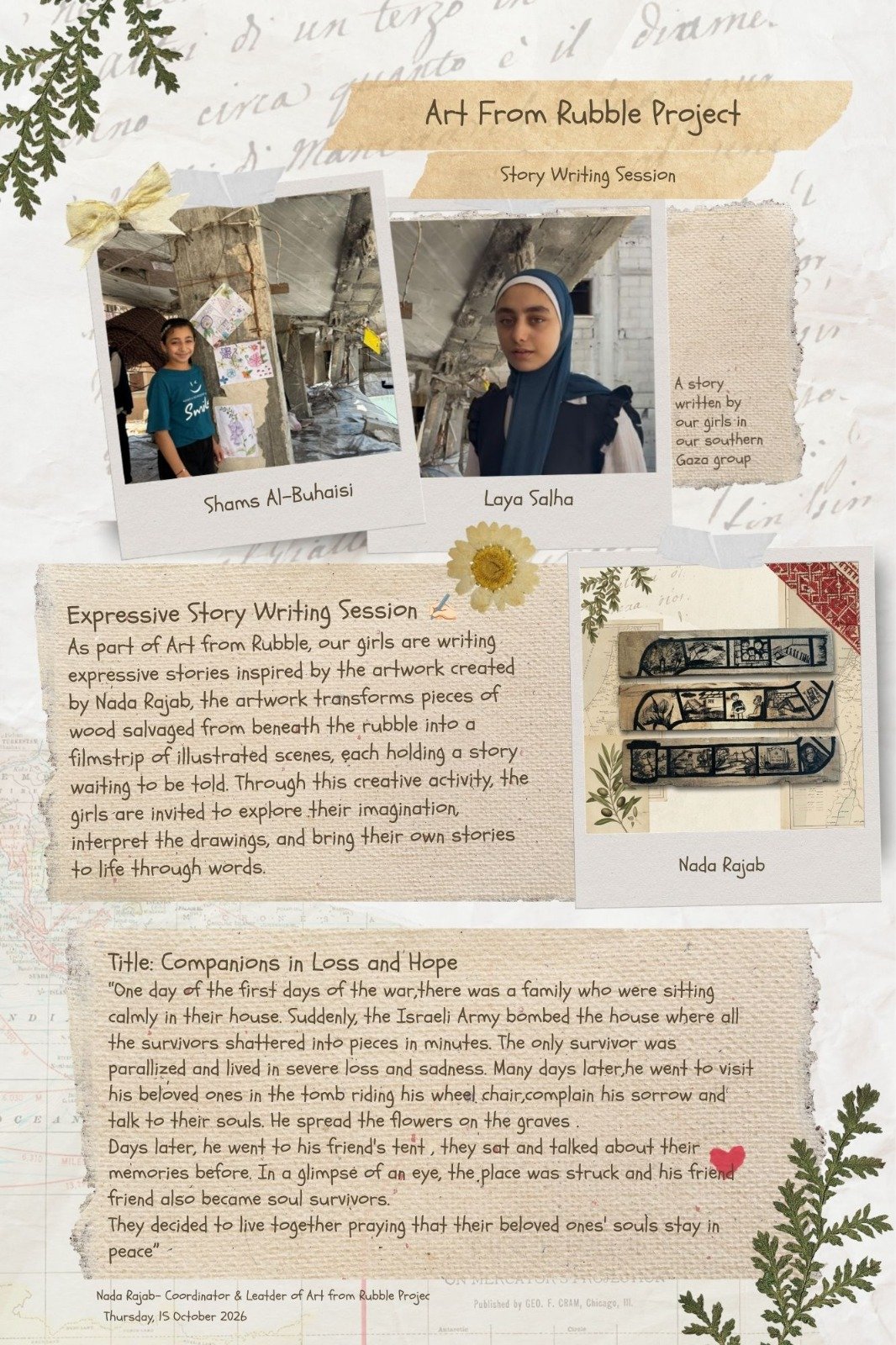
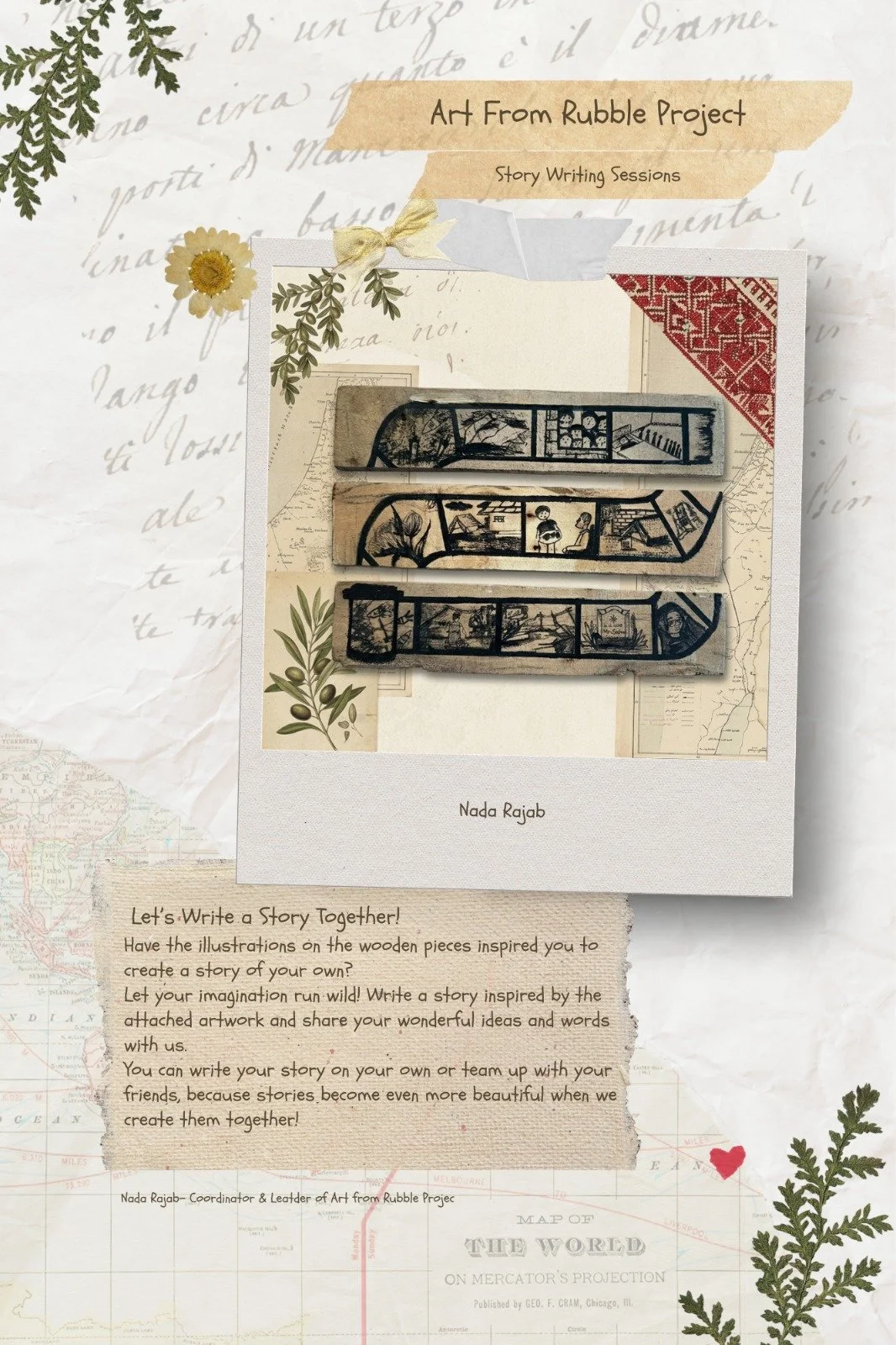
One of the project's most meaningful achievements has been connecting children in the north and south of Gaza. Through drawing and storytelling, children who were physically separated found ways to work together. In some activities, children in the north illustrated stories, while girls in the south wrote the accompanying texts. Their drawings became stories, and their words built bridges across distance and difficult circumstances.
This collaboration reminded the children that, despite everything separating them, they could still share ideas, learn from one another, and create something together. Art became a language that connected their experiences and brought their imaginations closer.
The project has also celebrated the religious and cultural traditions of Muslim and Christian communities in Gaza. Activities included a visit to a church in Gaza City, creative celebrations inspired by Christmas, and activities marking Ramadan and Muslim religious holidays. These experiences gave children opportunities to explore different traditions and celebrate values that unite people, such as kindness, generosity, compassion, and peace.
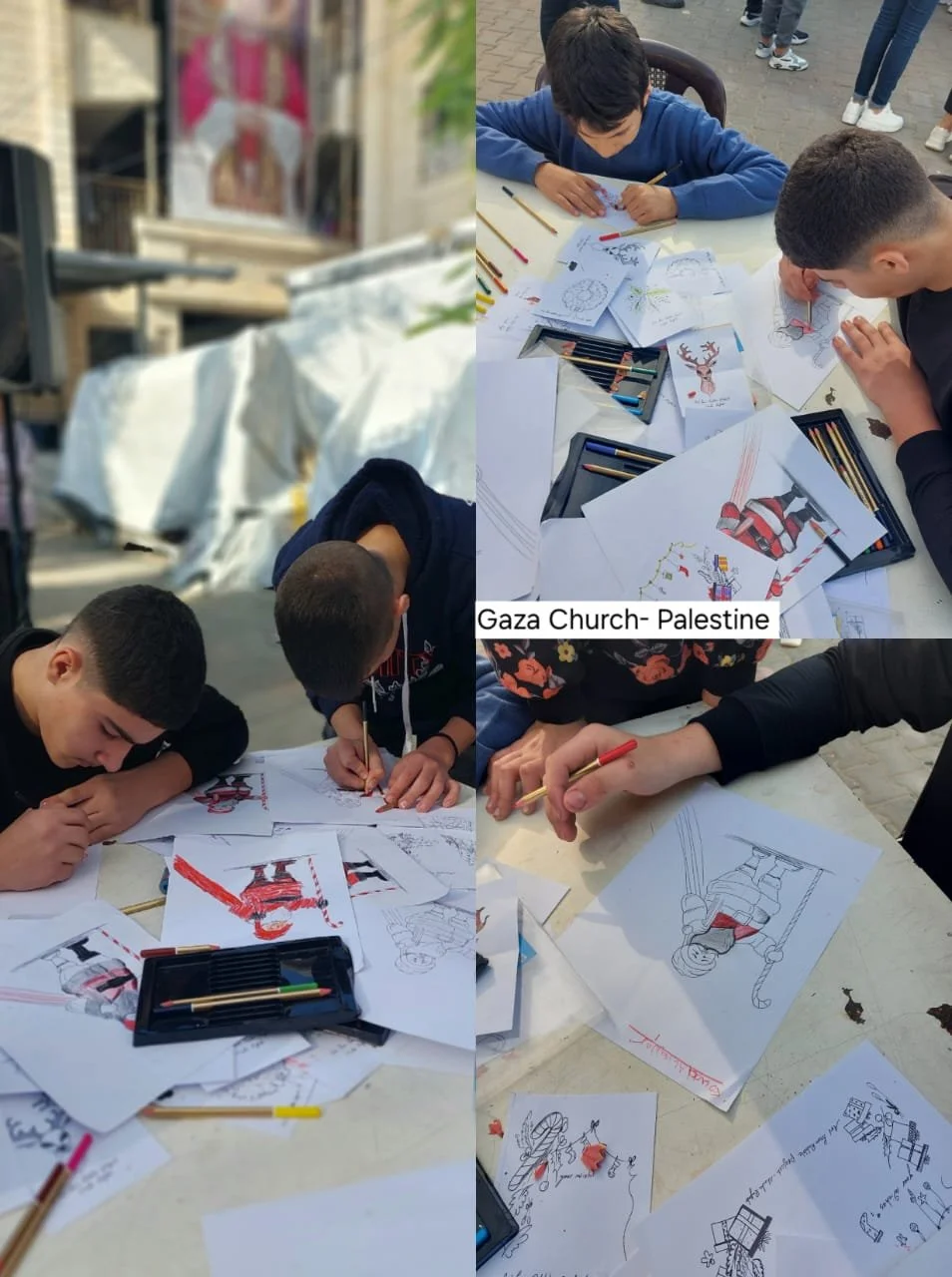
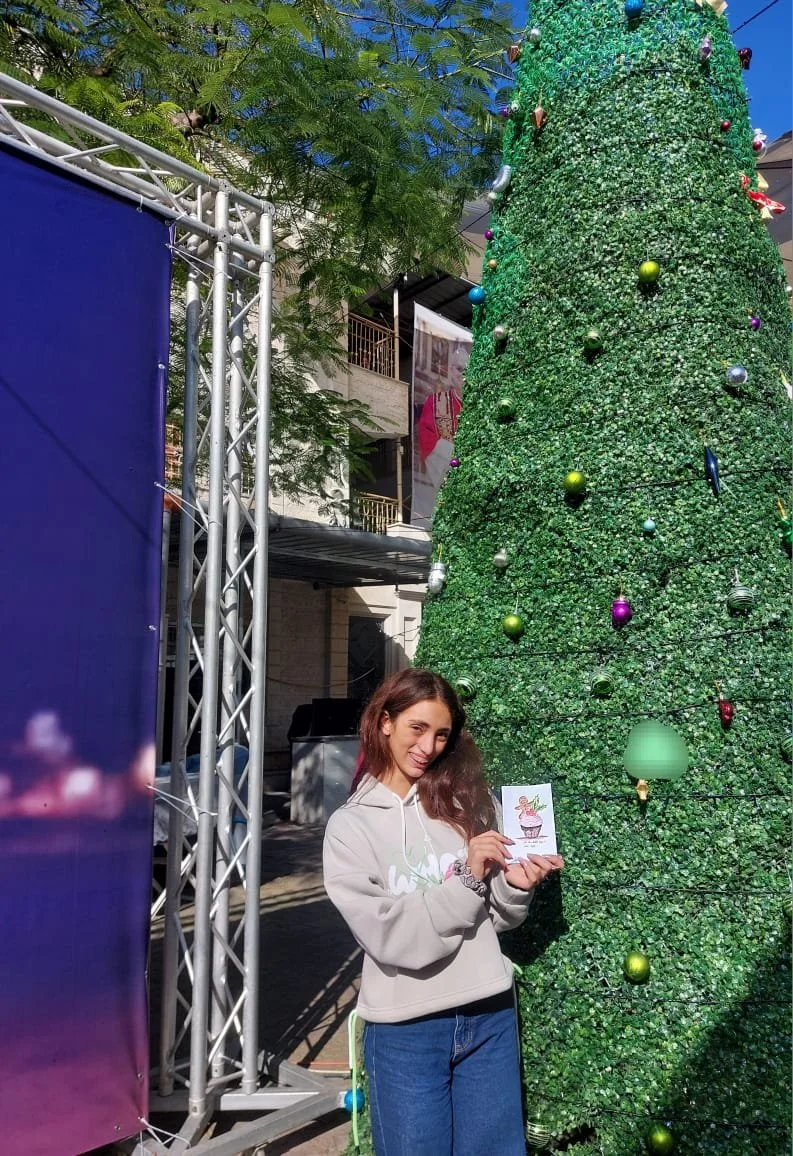
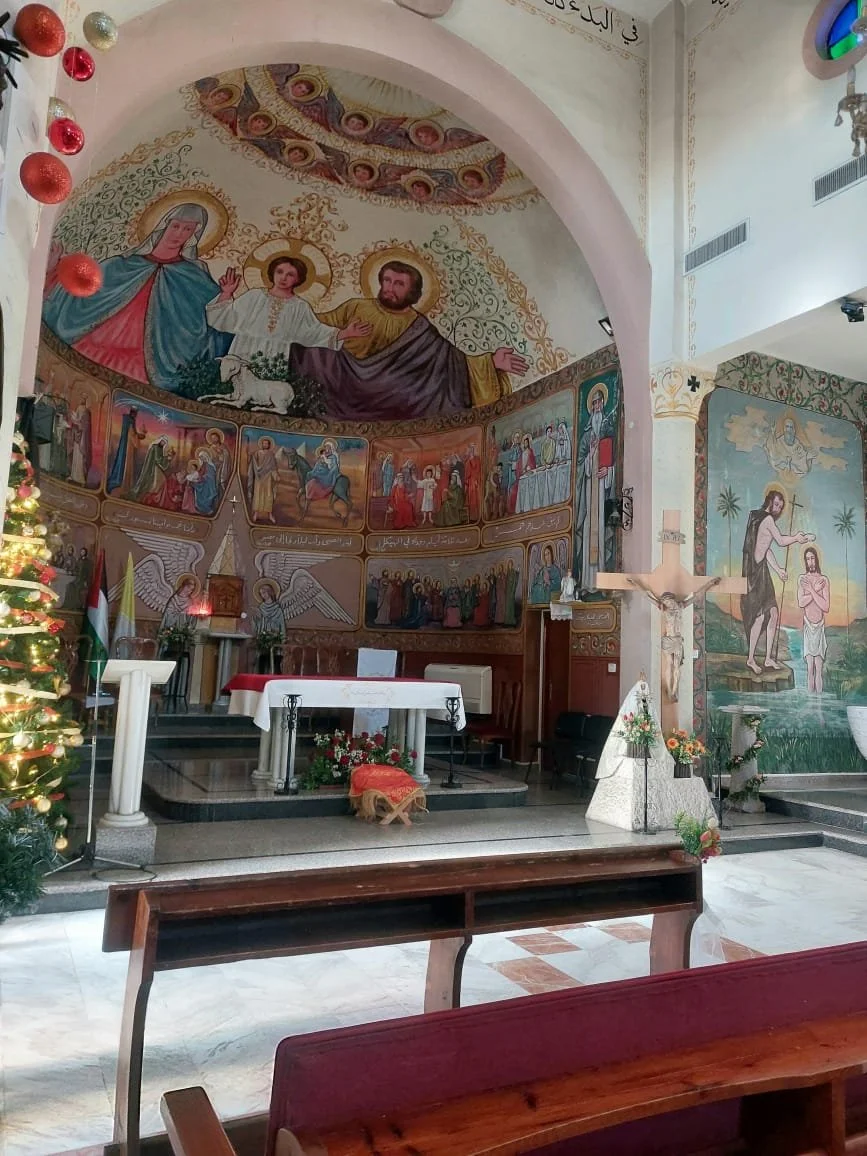
Through these activities, children learned that diversity can bring people closer together and that mutual respect and understanding can grow through shared creative experiences.
For children living through displacement and uncertainty, these artistic spaces offer opportunities to play, imagine, experiment, and express themselves freely. There are no grades and no perfect answers. What matters is the process of creating, discovering, and enjoying the moment. In times of crisis, these moments of freedom and creativity can offer comfort, strengthen connections, and remind children that their feelings, ideas, and voices matter.
The anniversary of Art from Rubble is therefore not simply a celebration of the artworks produced. It is a celebration of the children themselves: their imagination, resilience, curiosity, and ability to find beauty in difficult circumstances. It celebrates the connections built between north and south, between drawings and words, and between different religious and cultural traditions.
Perhaps the project's most powerful message is simple: when resources are limited, creativity does not have to disappear. A piece of cardboard can become art, a stone can tell a story, and a drawing can connect children separated by distance.
From rubble, children create art. From separation, they build connections. And from hardship, they continue to make room for hope.