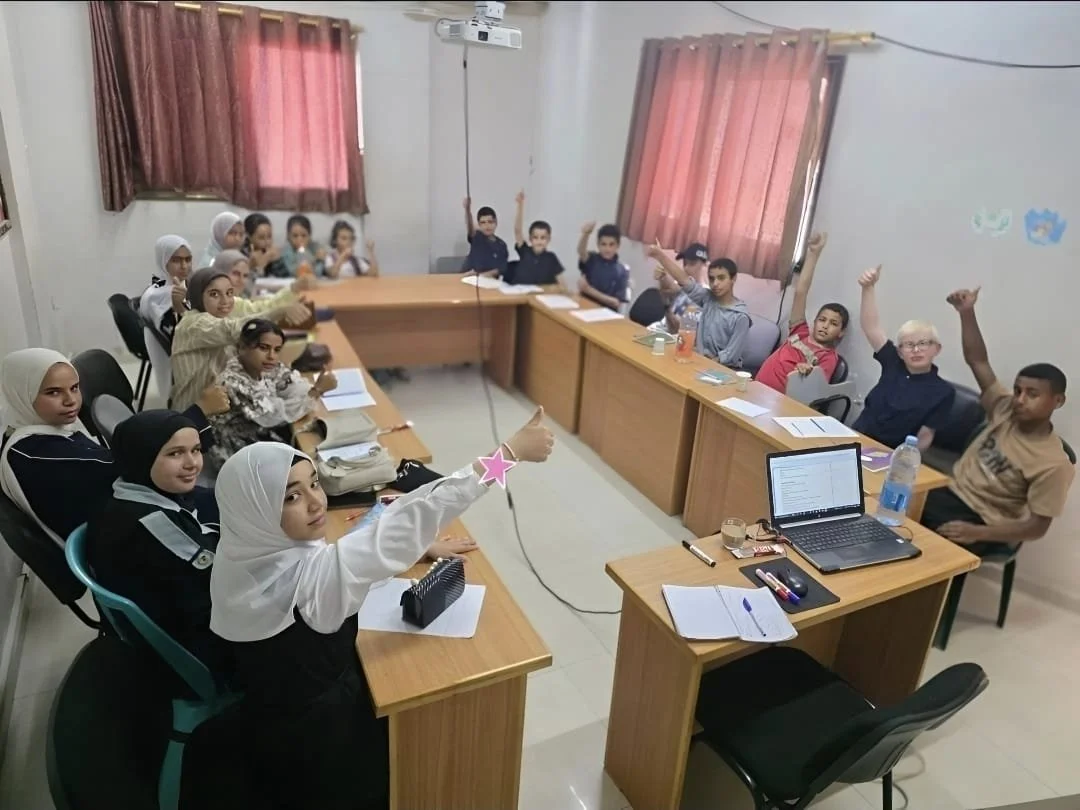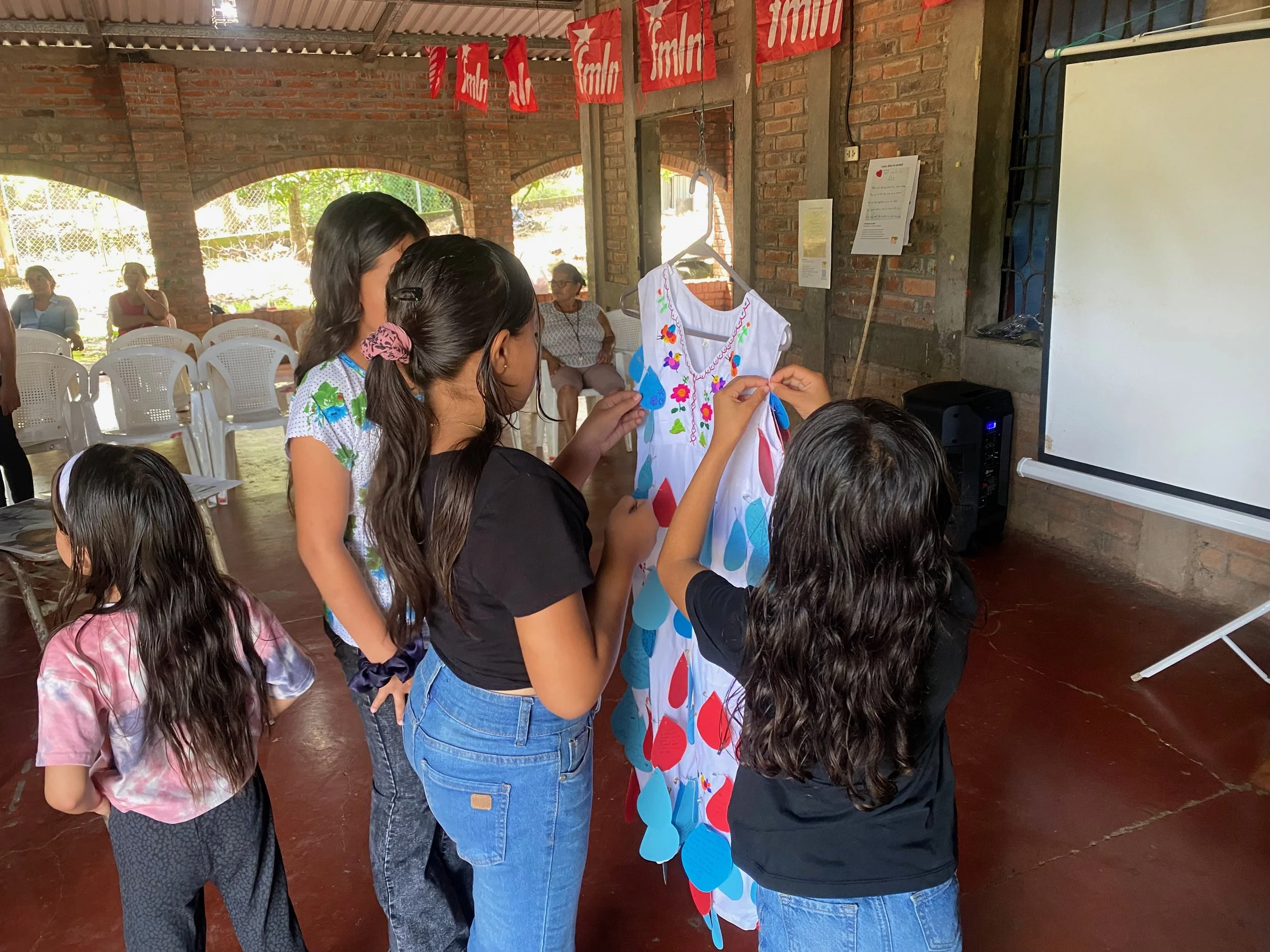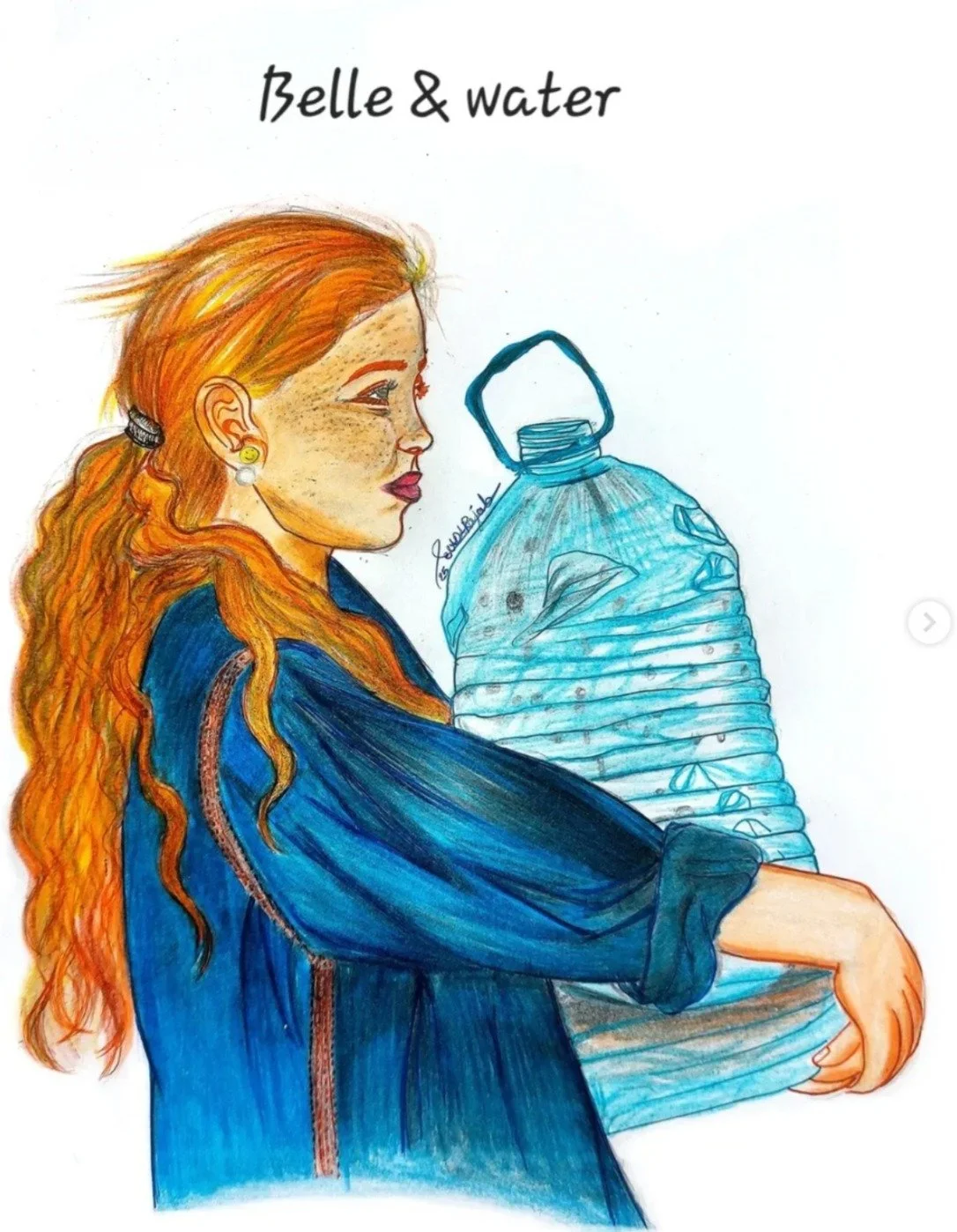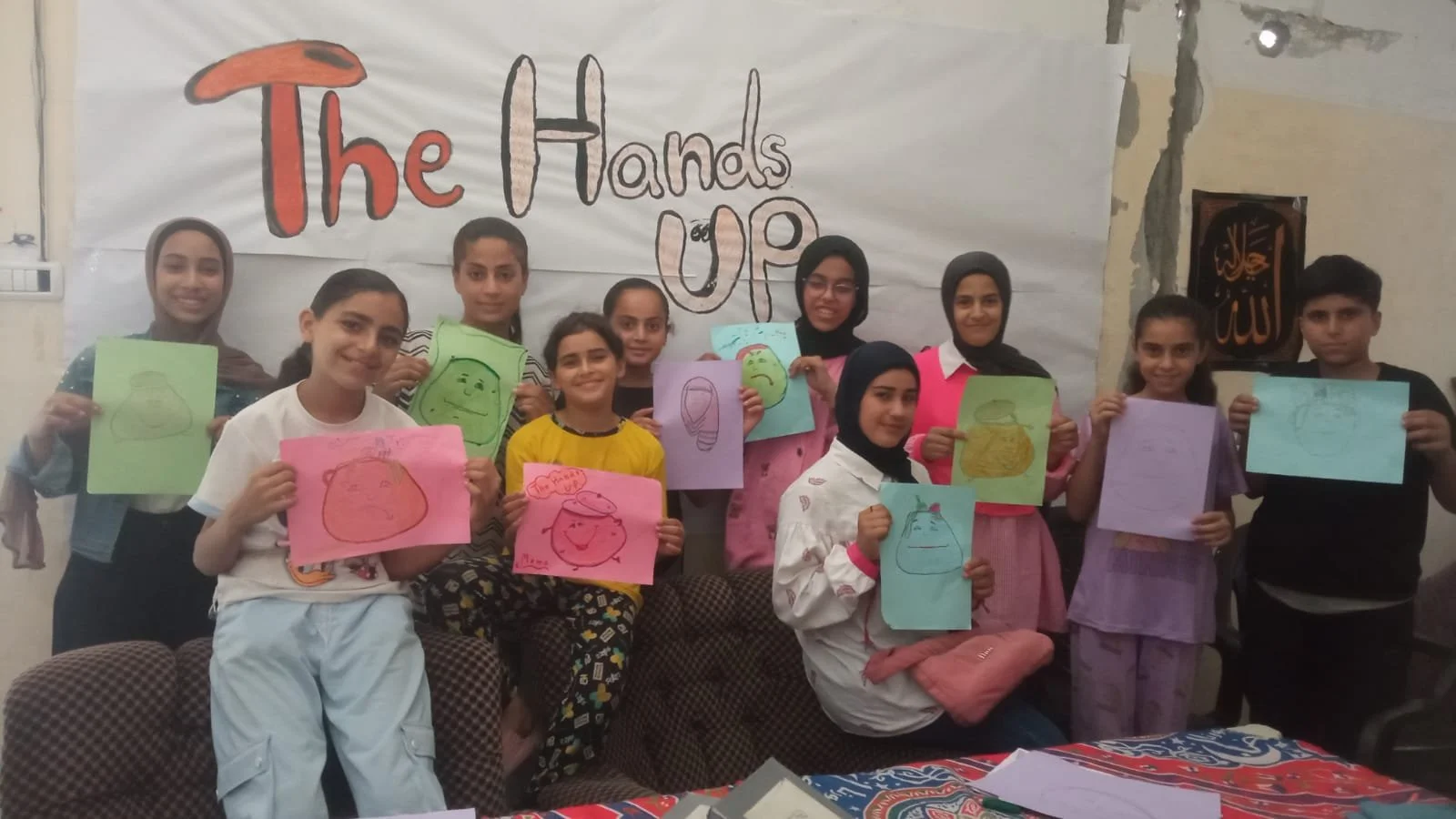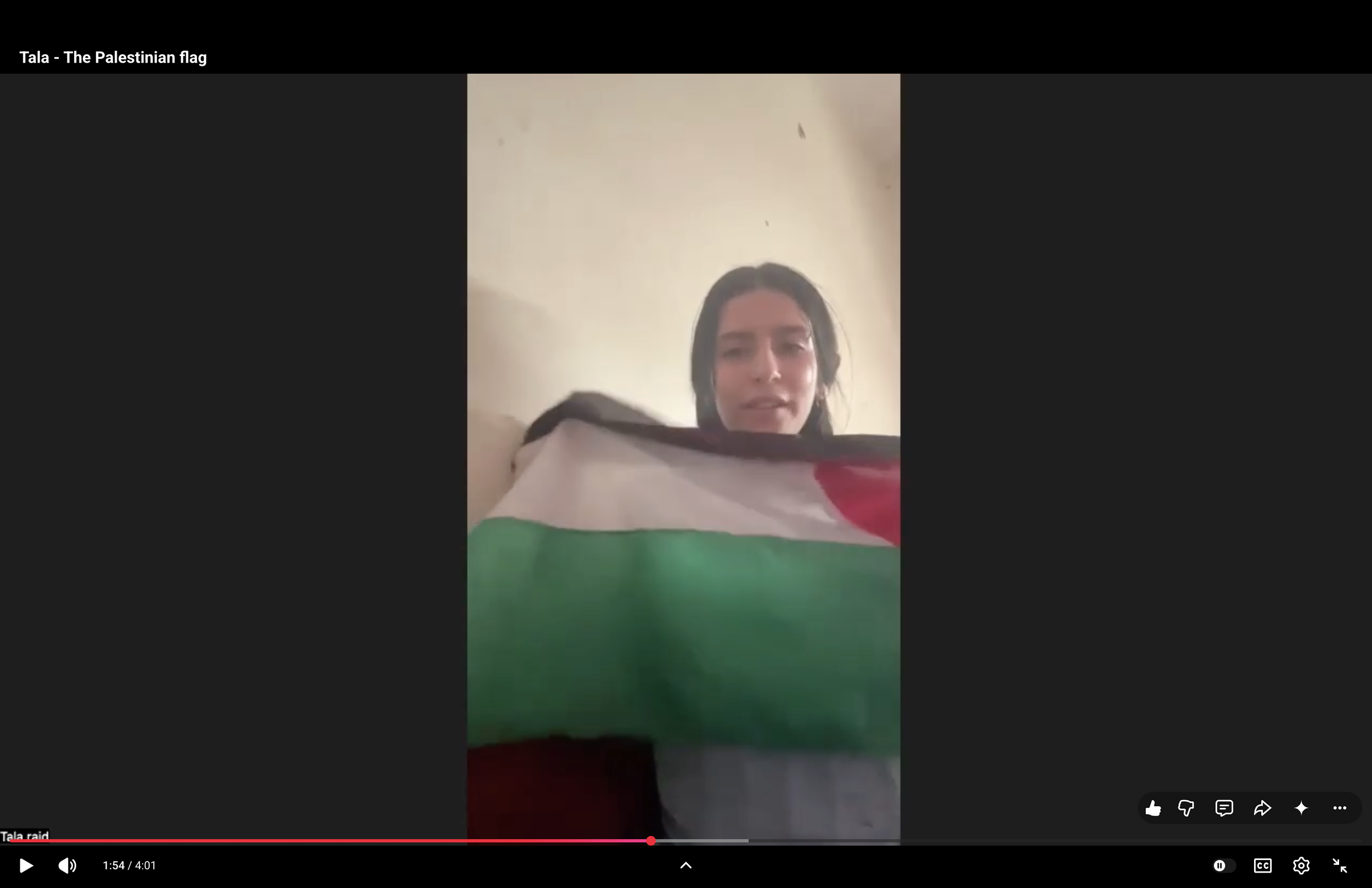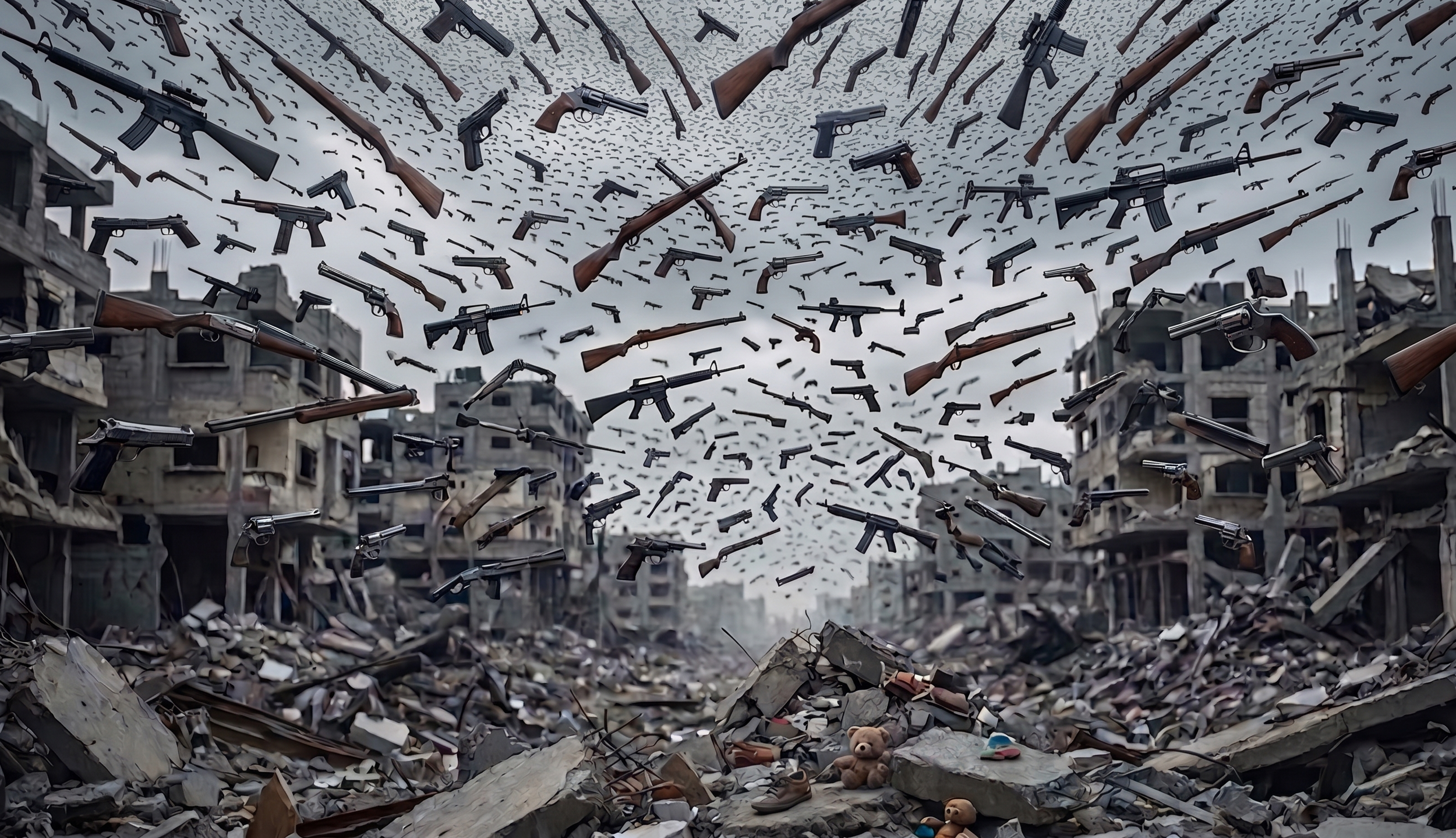
Since the start of the genocidal war in Gaza, my people and I have been living through various forms of suffering, forced to endure and feel it because of the Israeli occupation. Drawing has been my only companion, as it has been since I was a little girl.
Read MoreThere was once a time when the use of the mother tongue (L1) was generally frowned upon in the teaching and learning of a foreign language. I think that’s no longer the case in many contexts around the world, and, from personal experience as a teacher, and a learner, of languages I’ve always found that activities which compare, contrast and translate between English and other languages can be extremely useful.
Read MoreThis picture was painted by a 14 year old Gazan school girl, Tala Rasas, from Mamounia UNRWA school in Gaza city. It was given to me by the artist herself, on a visit to Gaza in January 2022. I proudly took it back to Totnes and it’s been on the wall of my flat ever since.
Read MoreHow did I transform pain into art, and rubble into a message, within the Gaza Strip?
In the heart of a city that has turned grey after two years of genocide, I chose to create color from the rubble—to revive our emotions and our city. I began by launching a series of artistic, theatrical, literary, and other creative activities with our brilliant students as part of the project.
Read MoreEscola Padre Reus in Porto Alegre, Brazil is a quite remarkable state school.
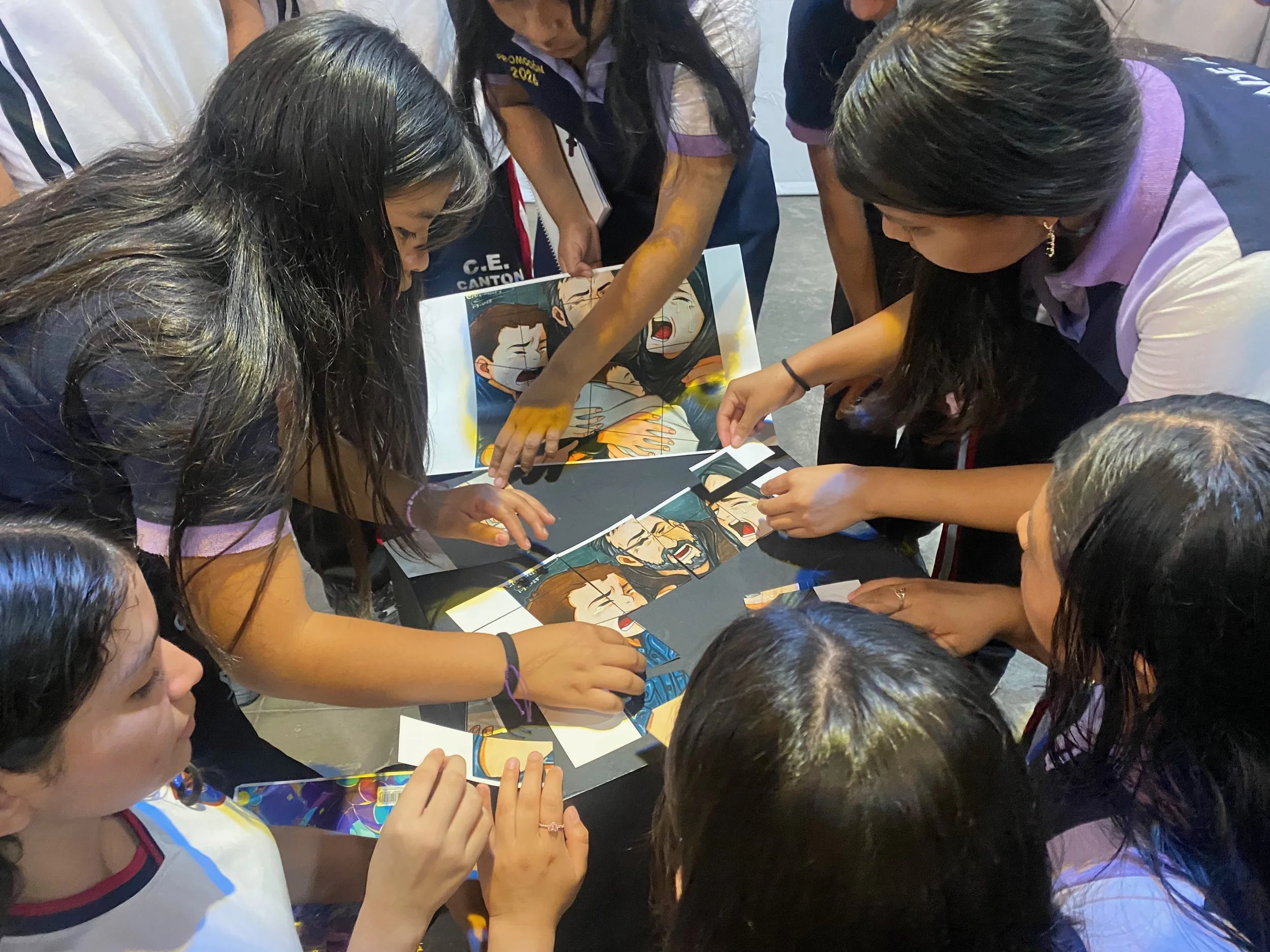
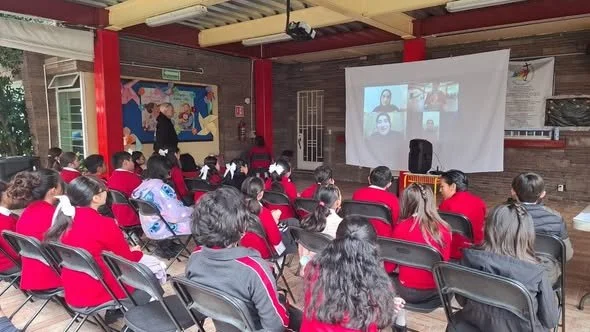
Yesterday I was invited there to give a talk to 15 -17 year olds, about the Hands up Project’s work with children in Gaza. They also have the ‘Moon tell me truth’ exhibition set up there in the school corridor for everyone to see.
I don’t think I’ve ever visited a school with such a great atmosphere between teachers and students. All the young people I spoke to were so mature, so aware of the situation in Palestine, and so committed to taking action to support the young people there in whatever way they could.
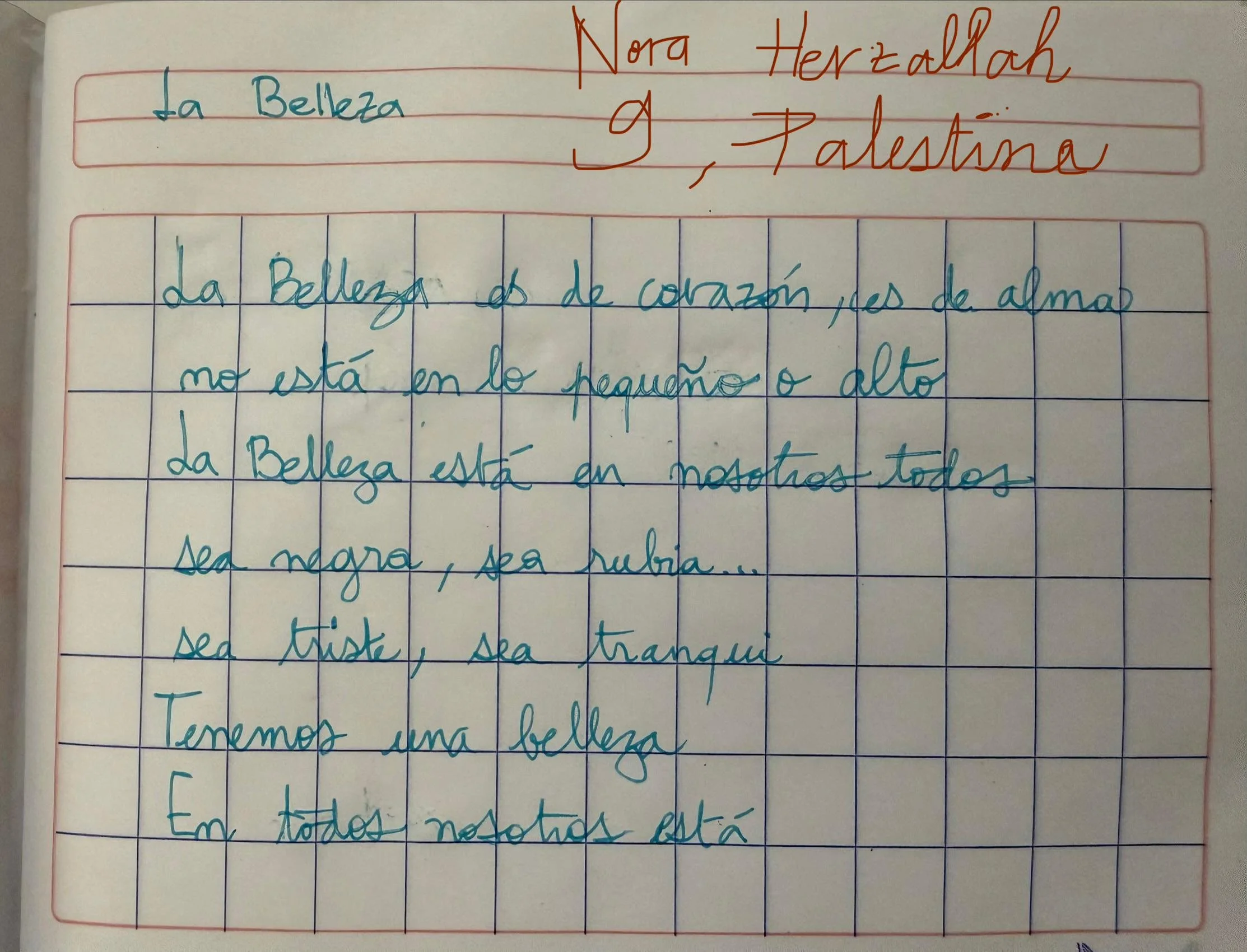
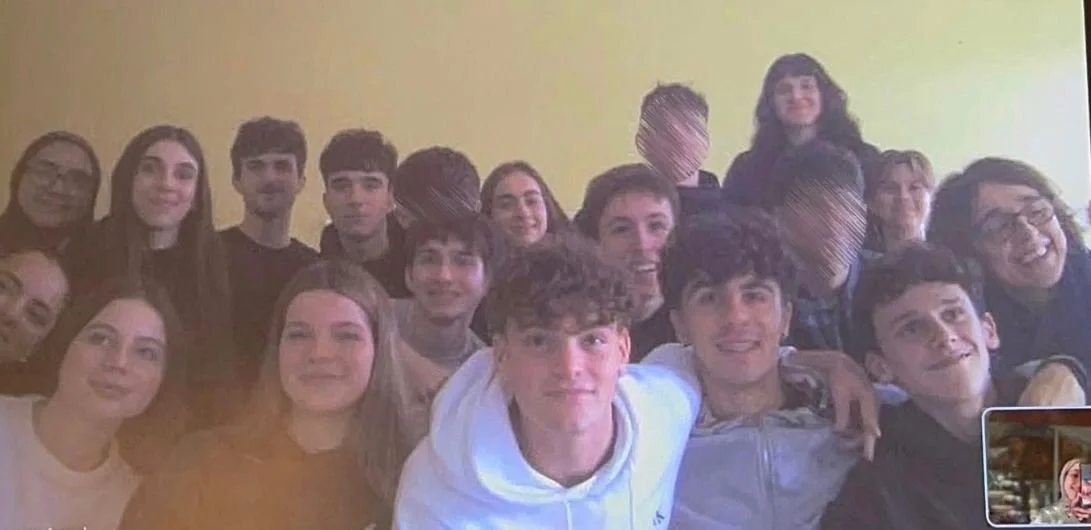
This morning, one of their teachers, Liliana, pictured in the foreground above, got in touch with me to tell me about about an activity she did today with the poems from ‘Moon tell me truth’. She encouraged her students to find one of the poems that they found particularly inspirational and then write a short text in English as a response. Below you’ll find four examples of these texts with the poems that inspired them.
What a beautifully simple idea this is. If you’re an English teacher somewhere in the world and you’d like to find ways to share the creative work of Palestinian children in engaging ways, perhaps it could work in your context?
Read MoreNearly all the poems in ‘Moon tell me truth’ were written by children in Gaza in the Spring of 2023. Now children around the world are being inspired by these poems; inspired by the beauty of expression by children living in unimaginable conditions and inspired to create their own poetry as a result of reading them. In this blog post I’d like to share how this has happened at one of my local primary schools in Devon - Dartington Primary. It all started when the school asked me whether they could have the exhibition as a permanent feature and have myself and Peter Oswald to come to the school and do a workshop with the kids there.
Read MoreIsora Enriquez OFrarrill (left) is the Hands up Project’s voluntary coordinator in Havana, Cuba. She’s worked tirelessly to build connections between children and teachers in Cuba with their brothers and sisters in Palestine.
I actually went to Cuba to have a much needed break from it all. And I did do that in this fascinating, beautiful country. But I’m also grateful to Isora for drawing me in to strengthening our connections with schools there.
Read MoreEvery Friday, educators from Gaza to Oxford, Cairo to California, gather around a virtual campfire. No agendas, no pressure—just a shared mission to uplift students through English education. This is the heartbeat of our weekly drop-in sessions.
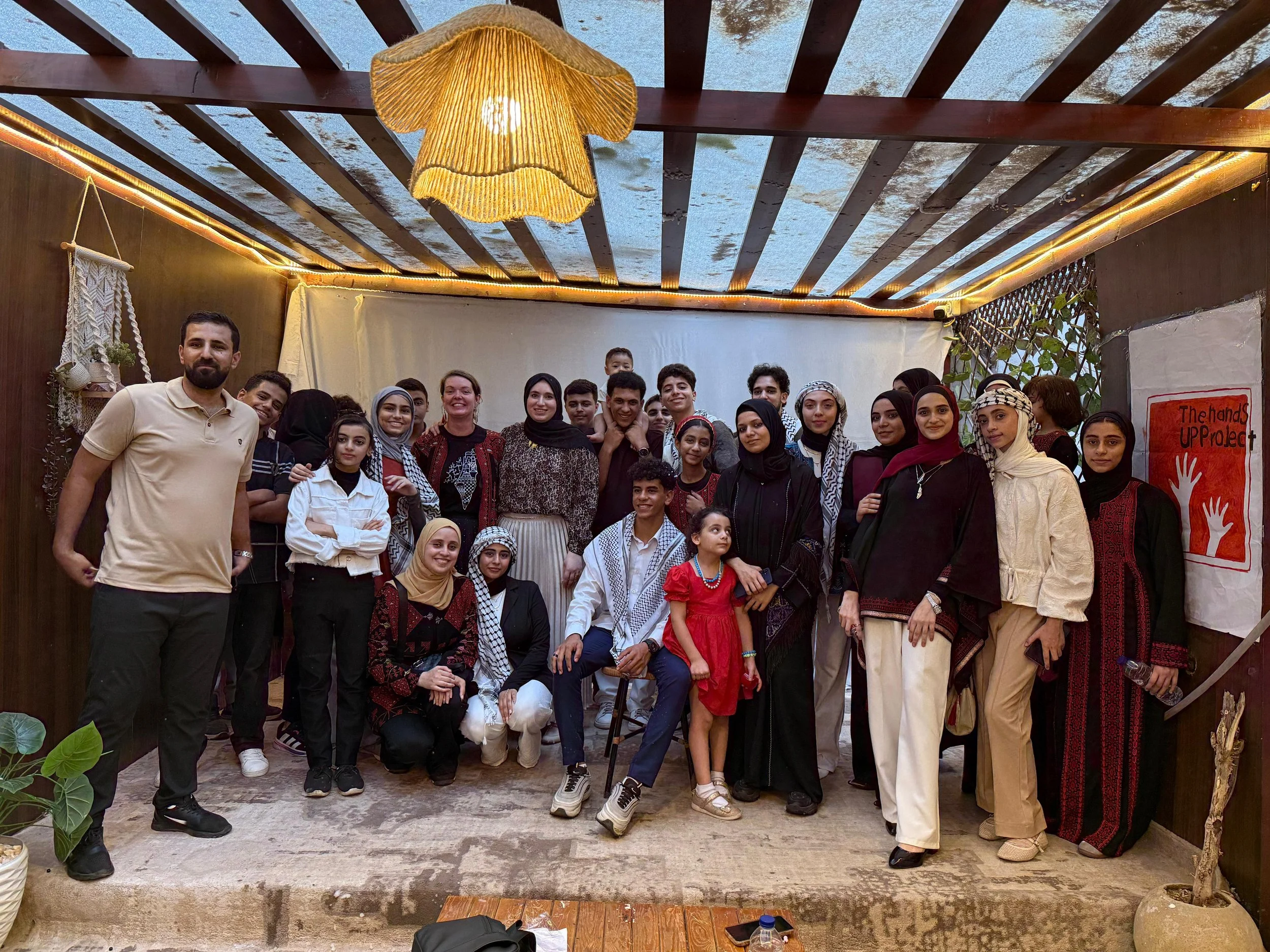
Read MoreThe Hands Up Project school in Cairo was first started by Donna Campbell, who planted the seeds of this special learning space during her time in Egypt. Her work laid a foundation of care, creativity, and connection that continues to grow.
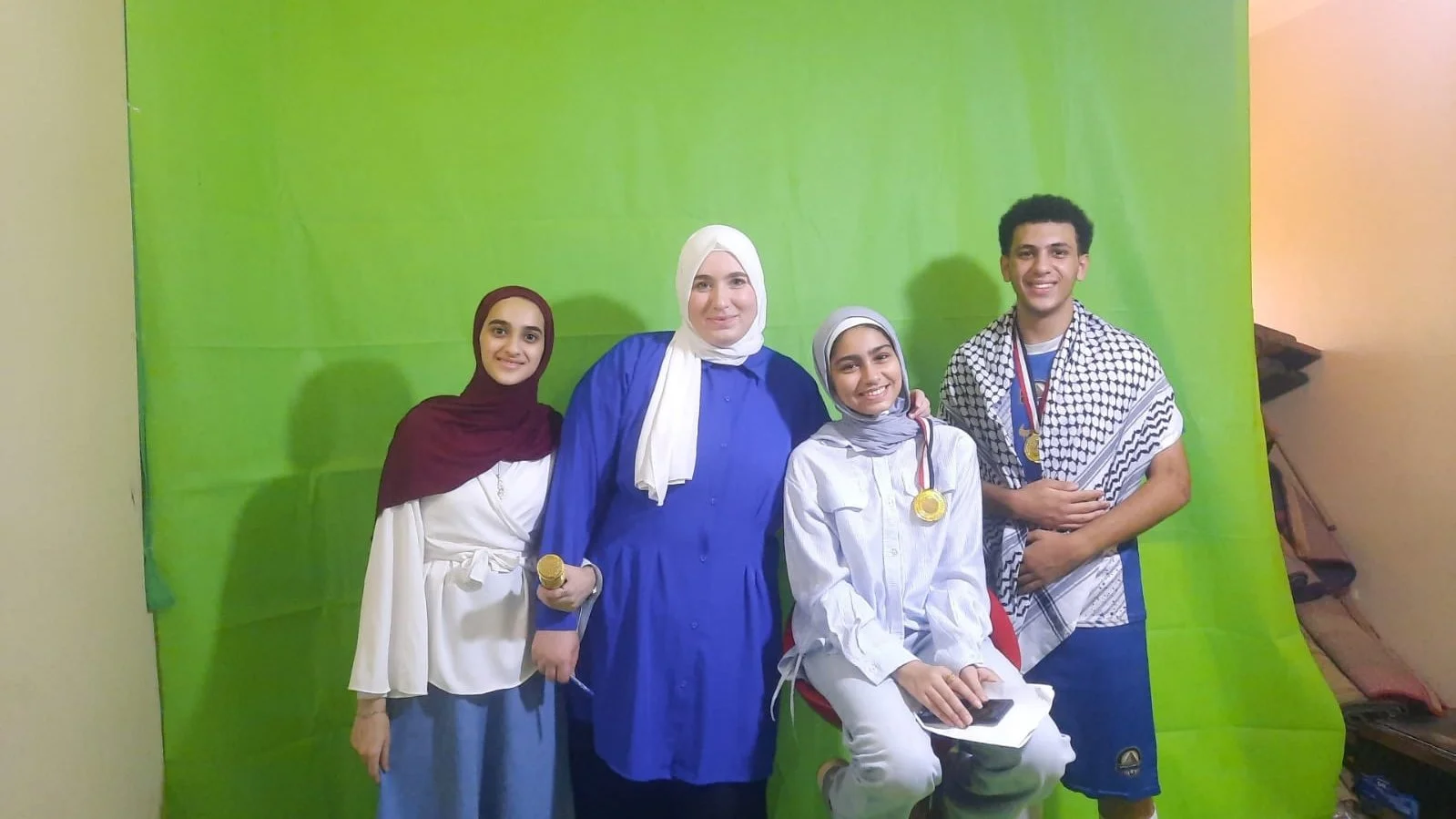
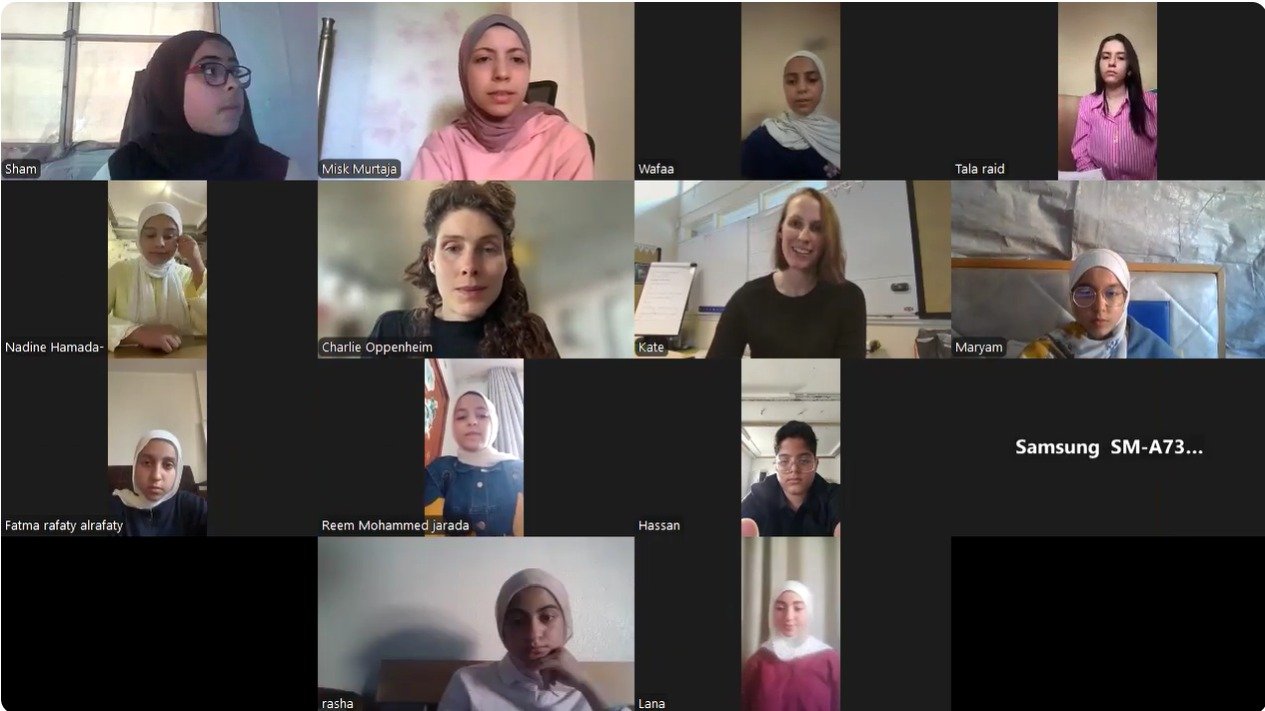
Read MoreA Bridge of Stories, A Journey of Hearts by Manuela & Lamya Some stories begin not in the classroom, but in the quiet spaces of kindness. That’s how I met Lamya not as a fellow teacher, but as a sister in compassion. Later, we met again — this time, around a Zoom screen. Lamya was supporting her girls in a project with Haneen and the British Council. I was only there to guide them gently through a couple of rehearsals. They needed very little.
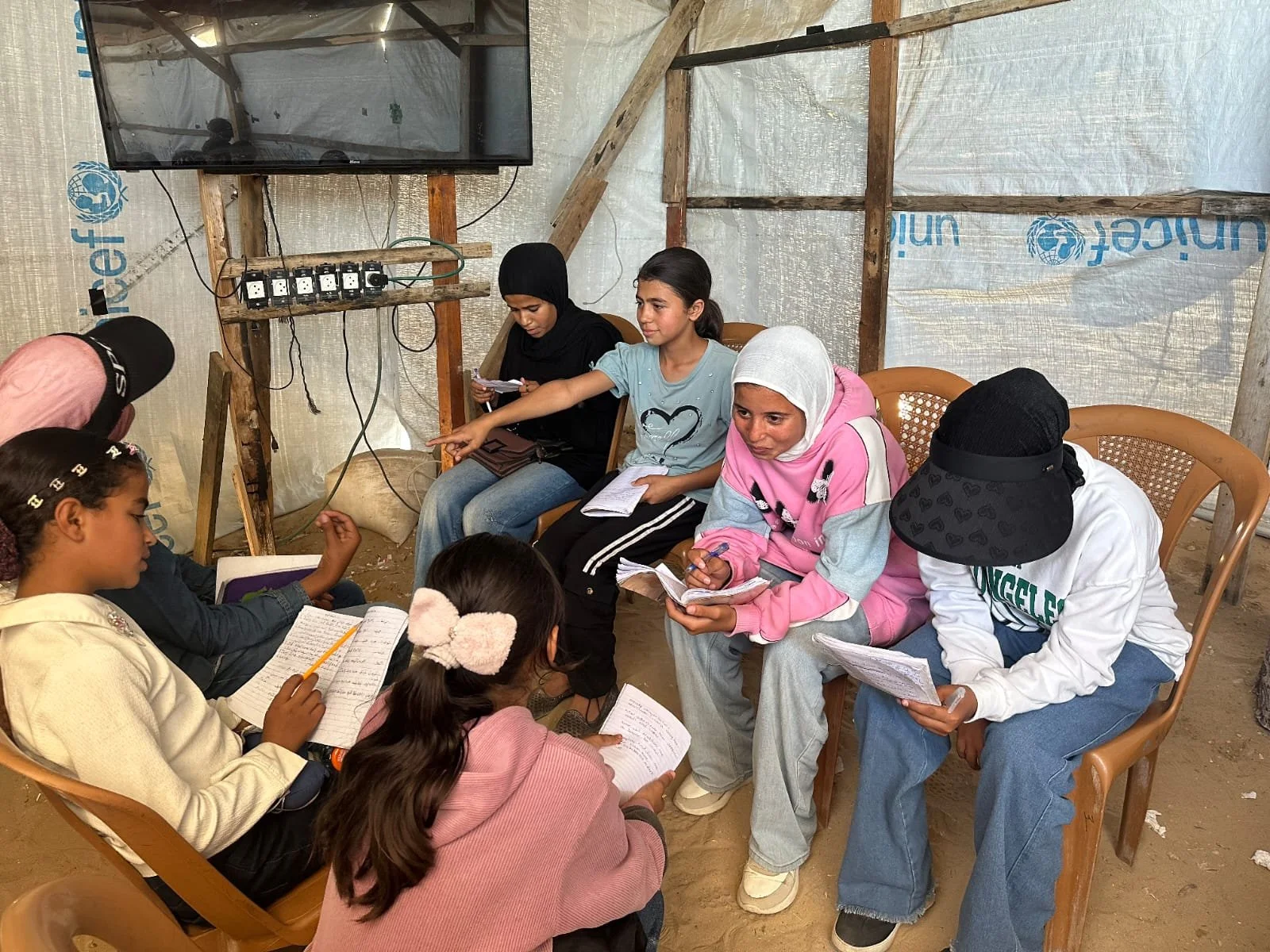
Read MoreIn a Gaza school now used as a shelter, teacher Sahar is leading a powerful initiative called From Zero to Hero. Three times a week, she gathers with displaced children to learn, play, and write — creating a safe, hopeful space in the middle of hardship.
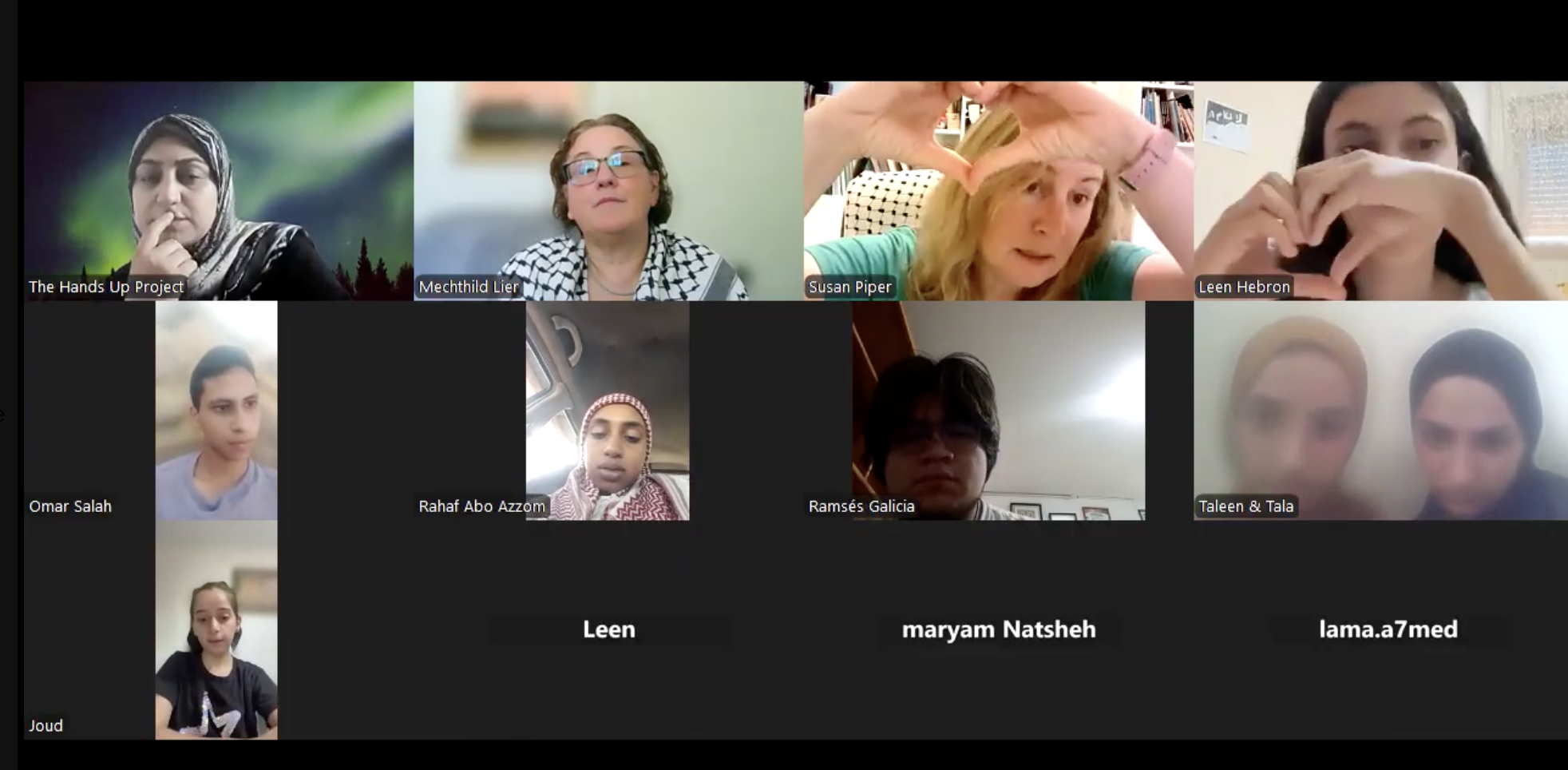
Read MoreAt the Hands Up Project, link-up sessions aren’t just classes—they’re windows into worlds. Over the past weeks, our incredible volunteers and Palestinian teachers have turned screens into spaces of laughter, learning, and cross-cultural magic. Here’s a glimpse of the joy unfolding:
Read MoreBuilding Bridges with Words: Our Inspiring Partnership with the Hands Up Project
At Inspired Kids and Inspired CPD, we believe in the power of connection and the transformative potential of creative expression. For us, it isn’t just about learning English. That's why our partnership with the Hands Up Project has been such a rewarding journey, enriching the lives of our students in Taiwan in profound ways.
Read MorePilgrimage for Palestine hit London Parliament Square on a hot 30th March at 2pm. There was amazement and some tears as we paused in Hyde Park, after thirteen days of walking, talking, poetry, generous hosts, massive support, huge donations, canals, rivers, injury, iftar, mild disagreement, rapture, waking every day at 3.30am.
Read More’ve just returned from the National Education Union’s annual conference in Harrogate in the north of England, where the Hands up Project had a stall selling our books, showcasing our new exhibition ‘Oh big blue’, and encouraging teachers to get involved in our work.
Read MoreOn April 6, 2025, I took part in Our Time to Break Silence—a public reading of Dr. Martin Luther King, Jr.’s Beyond Vietnam: A Time to Break Silence. The program was held at Monroe Street United Methodist Church in Toledo. I served as chair of the storytelling committee and represented The Hands Up Project.
But what moved me most was curating the art exhibition Moon, Tell Me Truth.
The exhibition featured stories, poems, and short plays created by young people in Gaza. These pieces were written during the current genocide. Some told of fear. Some of love. Many carried questions no child should have to ask. But all of them reached for something higher—hope, dignity, truth.
Read MoreWhen my eldest son, Andre was a toddler (I can’t believe he’s 29 years old now!!) like lots of dads, I used to read him bedtime stories. I remember once asking him if he wanted a story from a book and him replying with these words.
I guess he felt like he’d be more interested in the story if he could follow it through my facial expressions and gestures. He probably also felt like it was a way of feeling closer to his dad.
Those words have always stuck in my head - especially when I’ve been doing storytelling, and especially when thinking about how we interact in our online link up sessions in the Hands up Project.
Read MoreWord cards are a very simple device for building up a repertoire of spoken vocabulary. All that is needed is some slips of paper with the words in English to be learnt/reviewed on one side and the equivalent L1 translation written on the other side.
The basic idea is that students use them to learn words in English. They can do this receptively first by looking at the English word, trying to say what it means in Arabic, and then turning it over to check. Then they can do it in a more challenging way by looking at the L1 equivalents and trying to say the English version.
Read MoreAt the Hands up Project we’ve been supporting Palestinian children to learn the lines of short plays in English for a long time, and we’ve written posts about the benefits of doing this on our blog several times already. But with the recent excellent production of ‘The Screen’ - by Alma, Leen and Salma at the Hands up school in Cairo (watch it below) - I’ve been thinking a lot about another useful thing that can happen when students learn the lines of a play in a second language.
Read More