Learning language through bi-lingual books
There was once a time when the use of the mother tongue (L1) was generally frowned upon in the teaching and learning of a foreign language. I think that’s no longer the case in many contexts around the world, and, from personal experience as a teacher, and a learner, of languages I’ve always found that activities which compare, contrast and translate between English and other languages can be extremely useful.
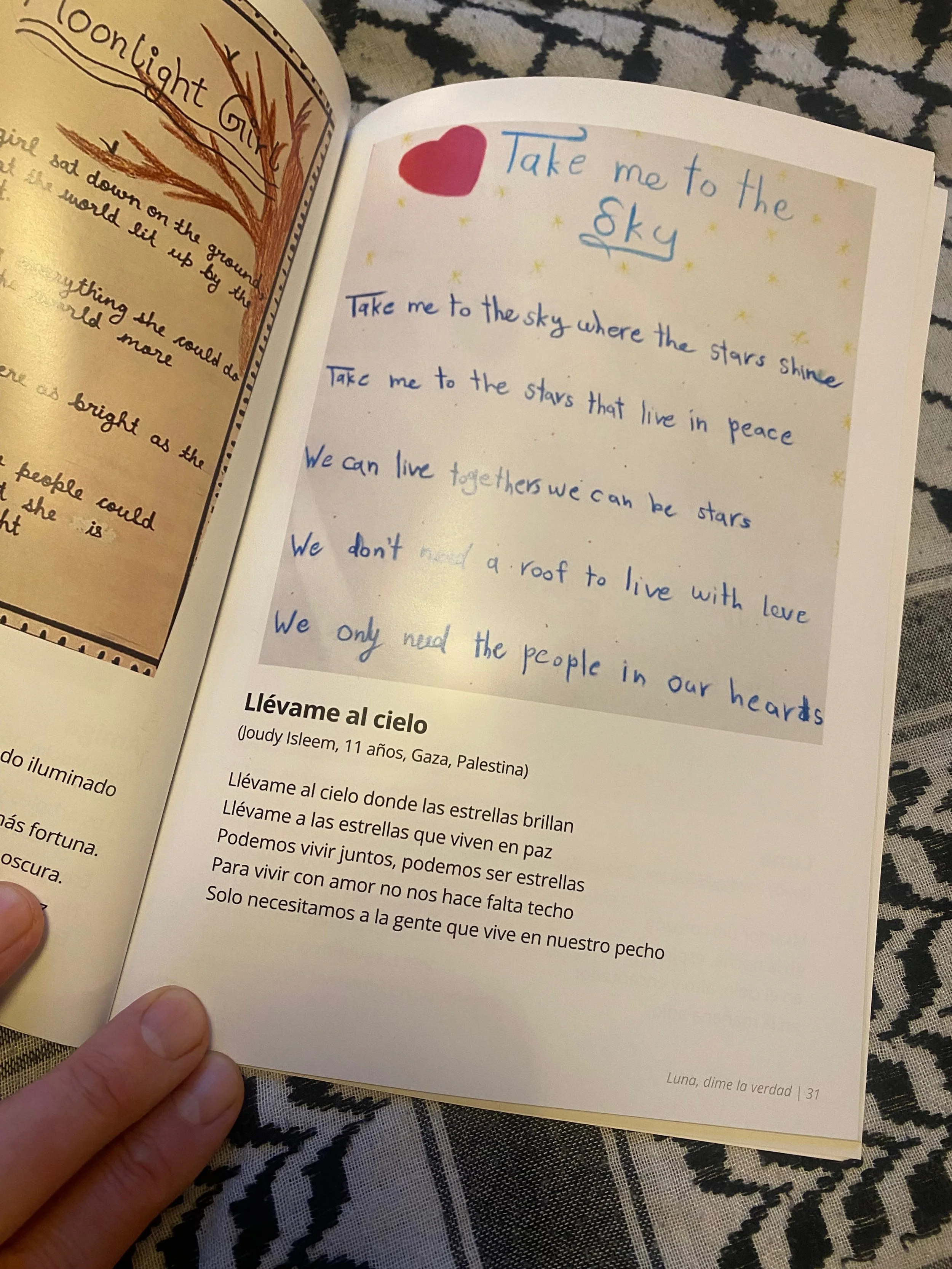
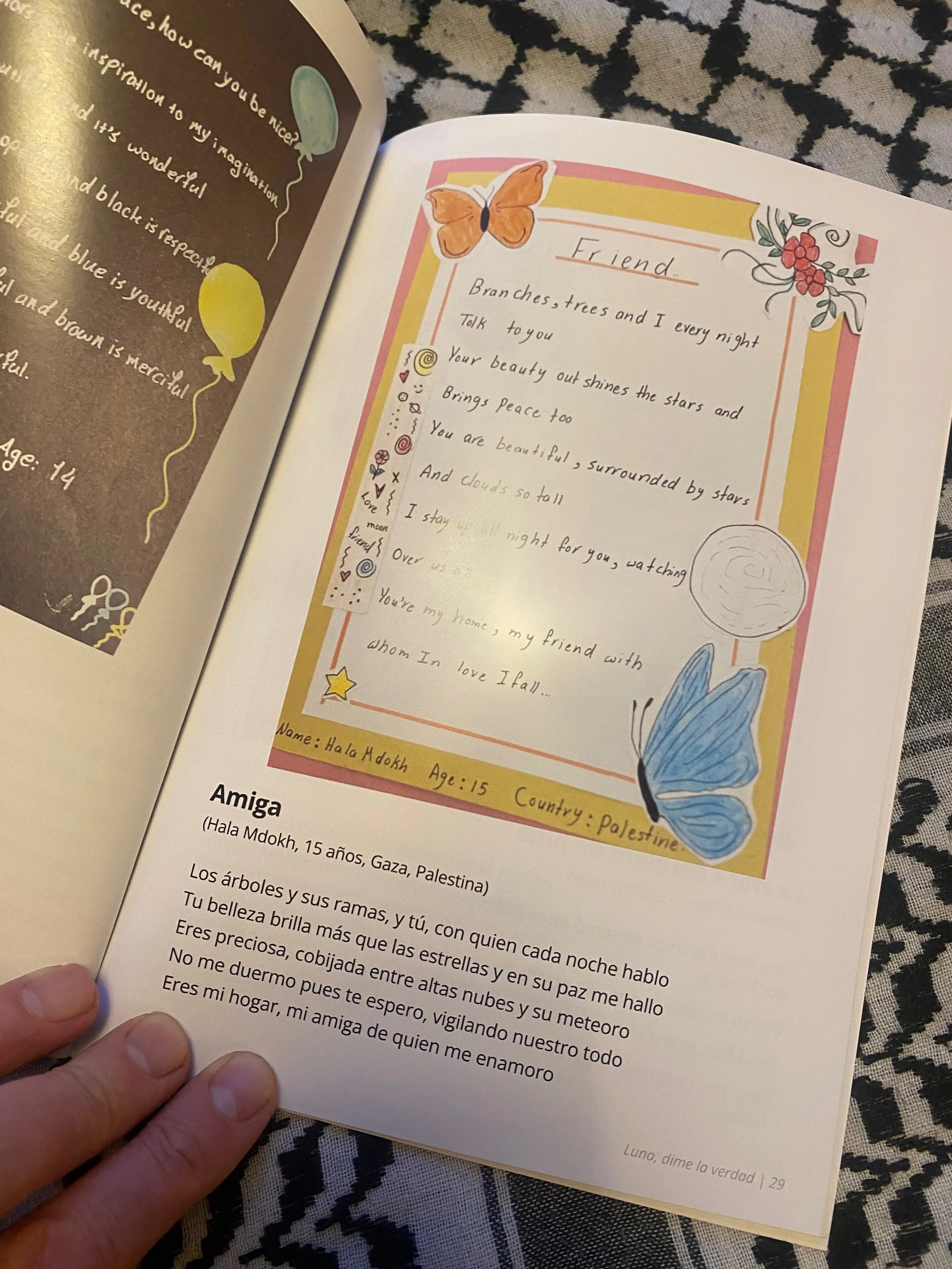
Bilingual books, in my opinion, are a great resource for doing these kind of activities and, as an intermediate learner of Spanish (L2 for me), I’m finding that our latest publication, - Luna dime la verdad (‘Moon tell me the truth’ in Spanish) - can help me a lot.
Here are some of the things (in no particular order) that I think could be done with ‘Luna dime la verdad’ (or indeed any bilingual book) to support language learners for either of the two languages.
1) Read the text in L2 and try to see if you understand every word. Try to guess the ones you’re not sure about. Then check with the L1 translation.
2) Read the text in L1 , and try to mentally translate it, or some of the words, into L2. Then check with the L2 version.
3) Just look at the L2 version, and then write a written translation of it into L1. The next day look at your L1 translation, and try to retranslate it back into L2, without looking at the L2 version. Then compare what you wrote with the original L2 version, taking note of the differences.
4) Find some words or phrases which are new to you in the L2 version. Write each one in pencil on a small slip of paper with the L1 equivalent on the other side. Later test yourself by looking at the L1 side to see if you can recall the L2 version.
5) Just pick up the book, flick through it and enjoy it.
What ideas would you use yourself? Can you think of other things you might do with a bilingual book? Please share them in the comments below.