Beyond a Coffee Pot: Exploring Culture, Identity, and Belonging Through Jebene
This week’s post is by Mohammed, one of our Stories Alive teachers in Gaza, still working to teach English through stories to Palestinian children. The story of Jbene, referred to here, is a traditional Palestinian story which explores many themes, but particularly that of bullying and a patriachal society.
If you would like to support our Stories Alive programme in Gaza, you can do so here.
By Mohammed Hisham,
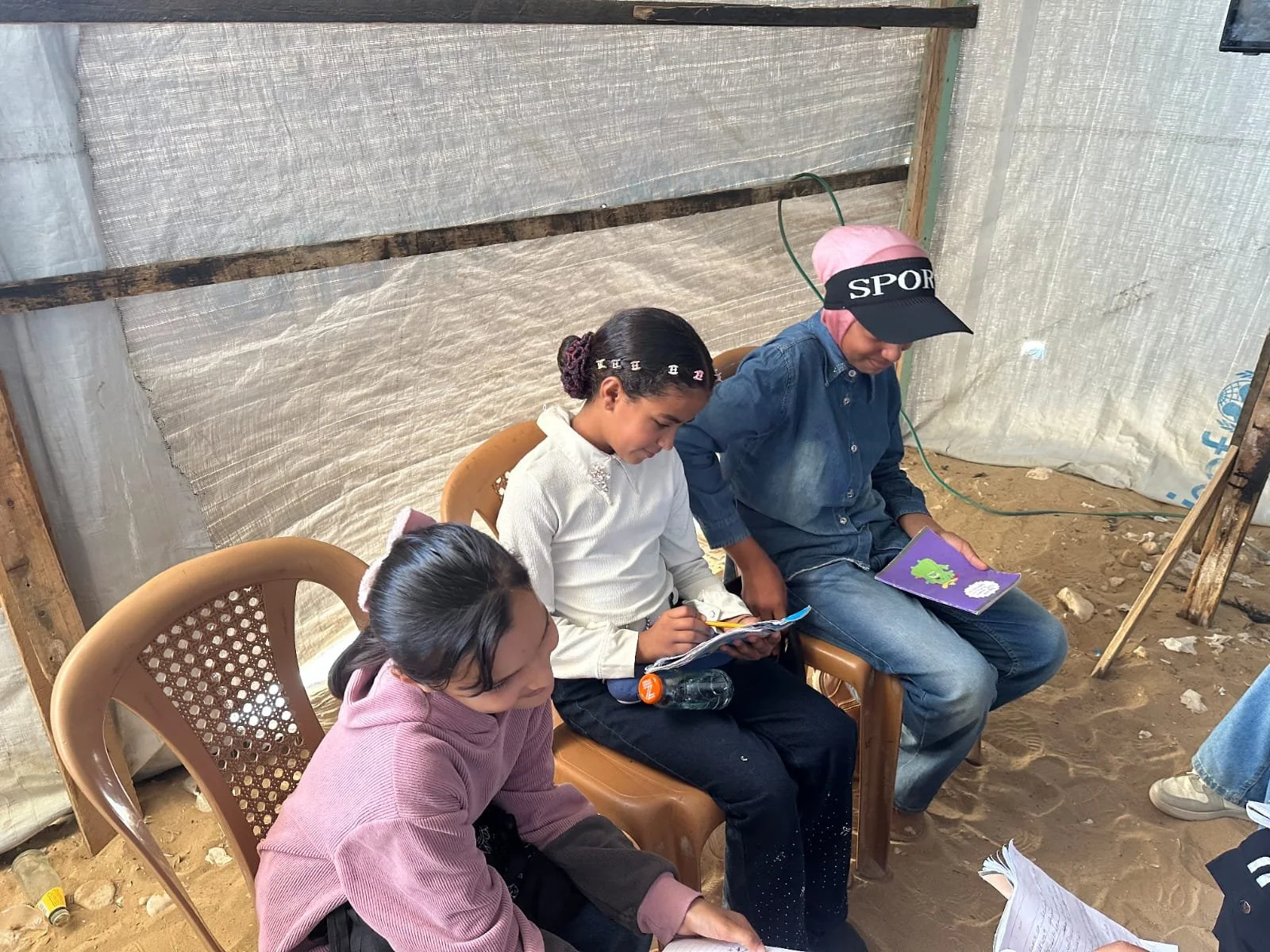
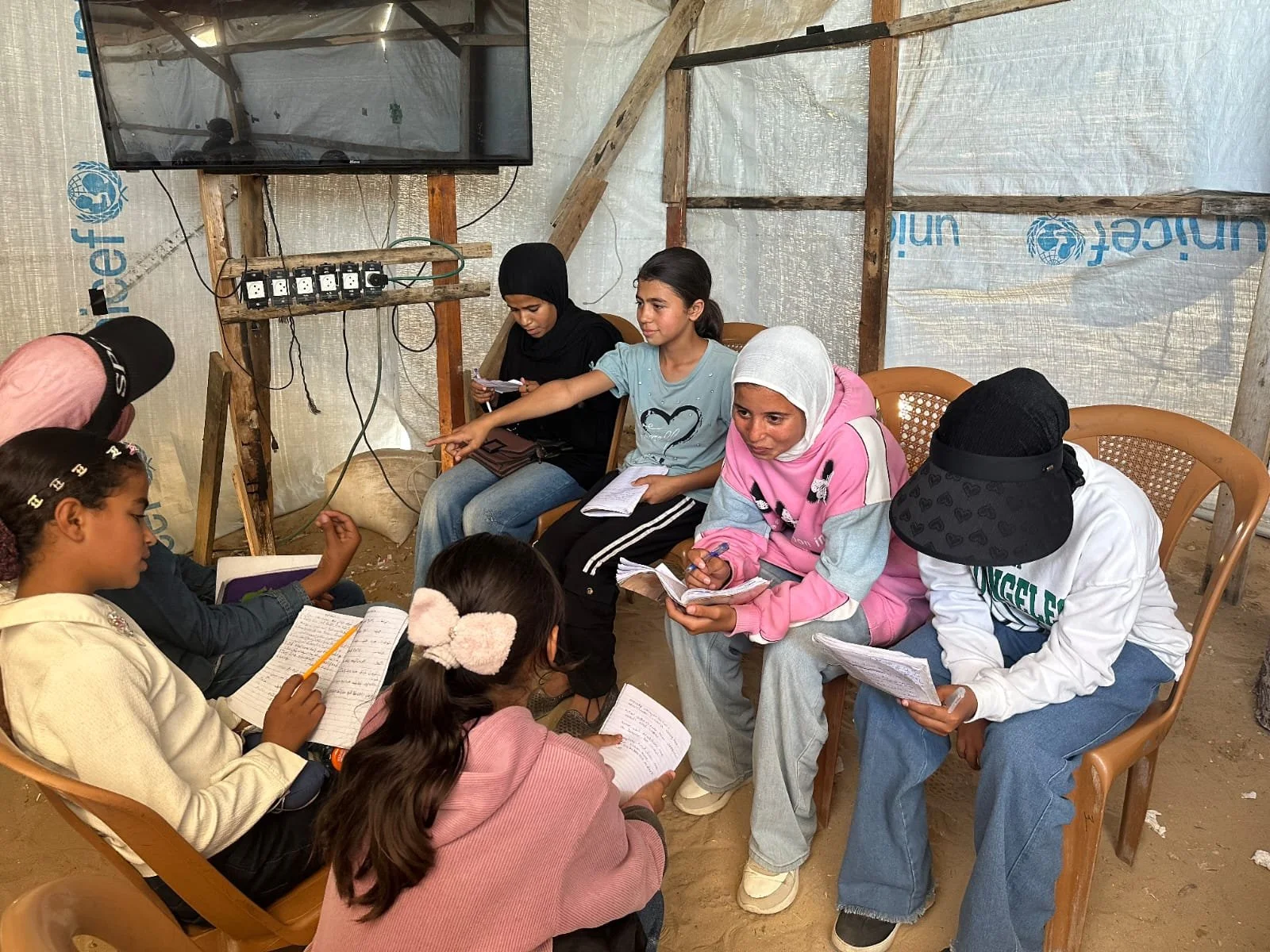
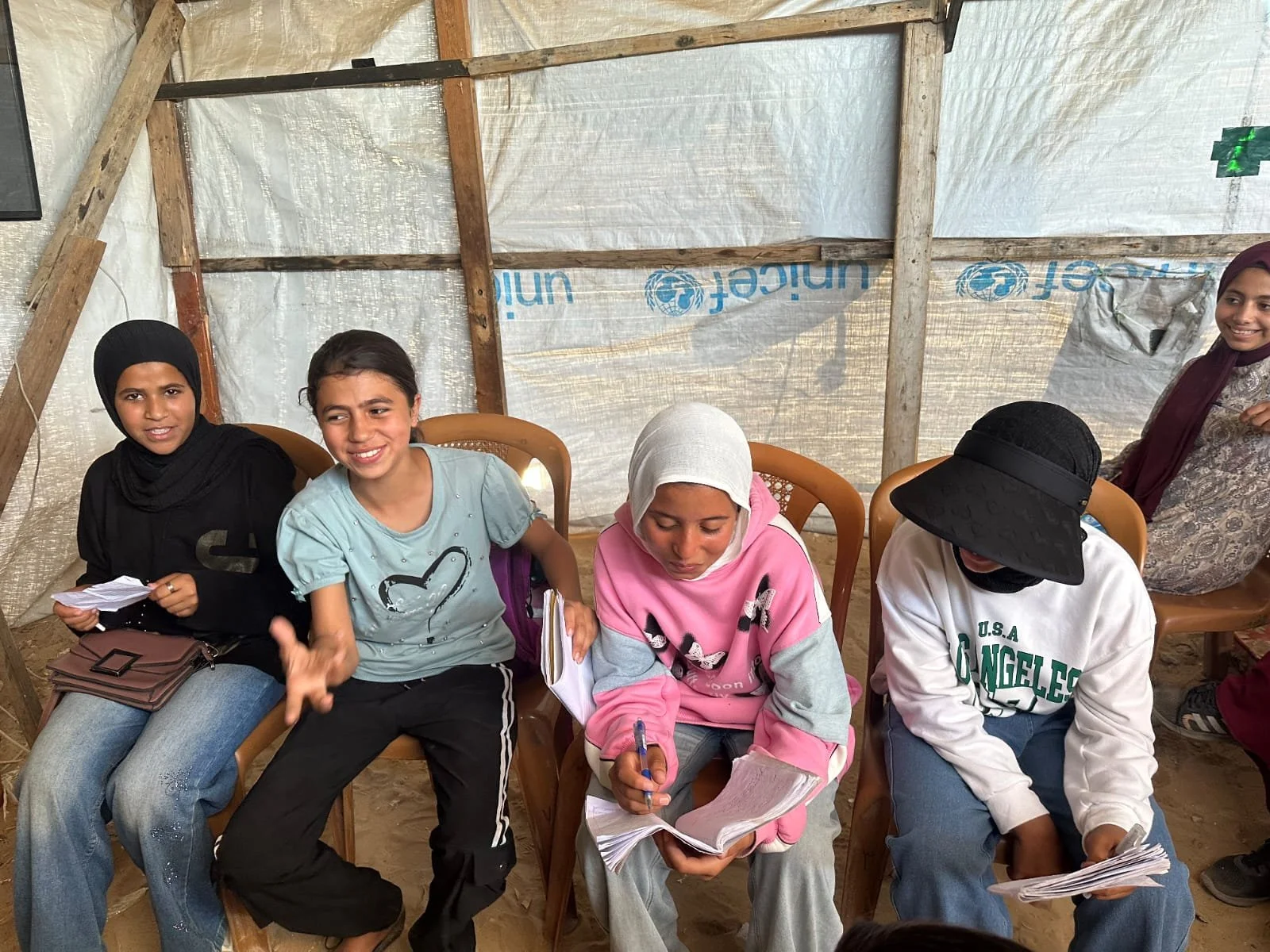
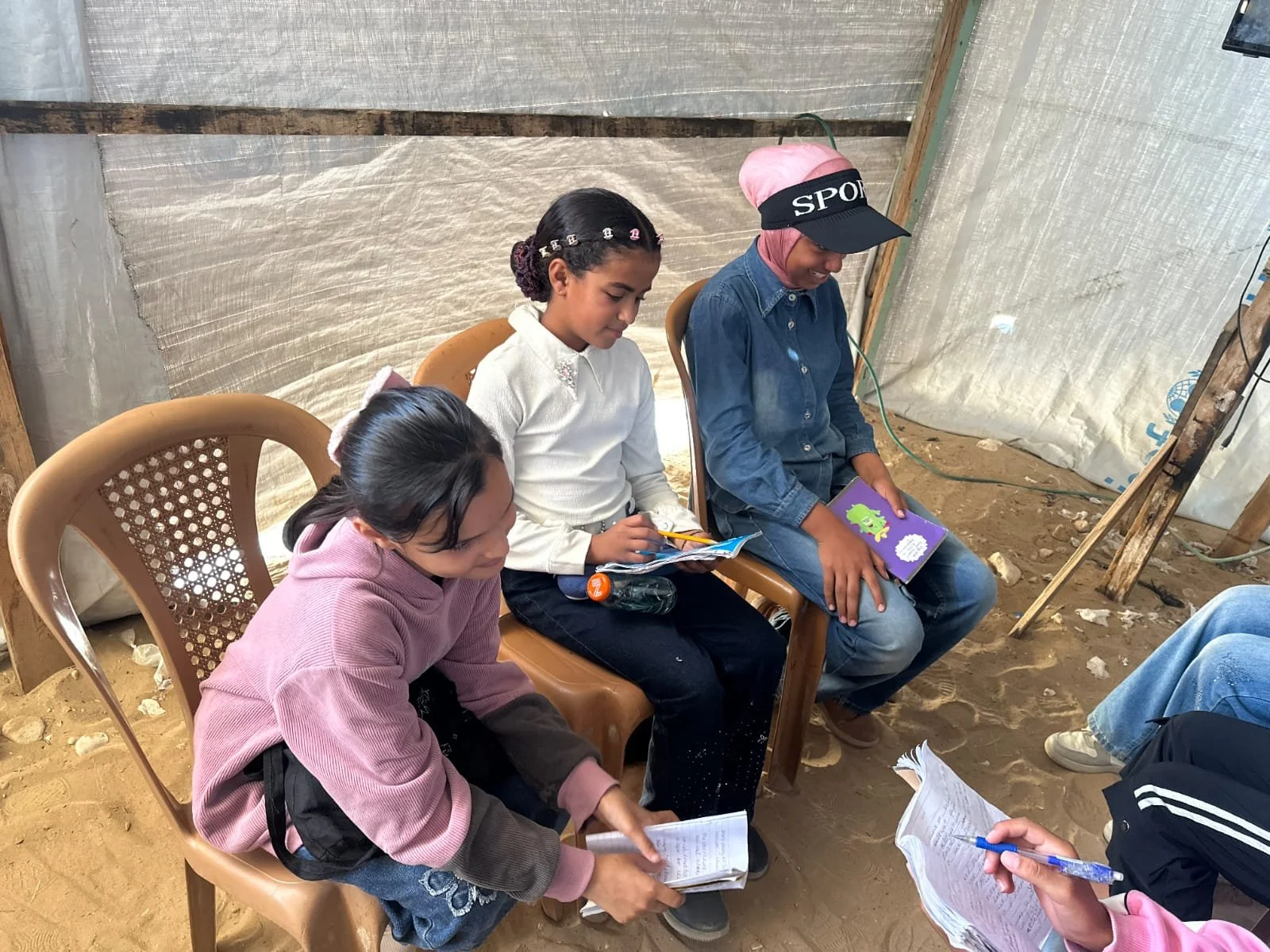
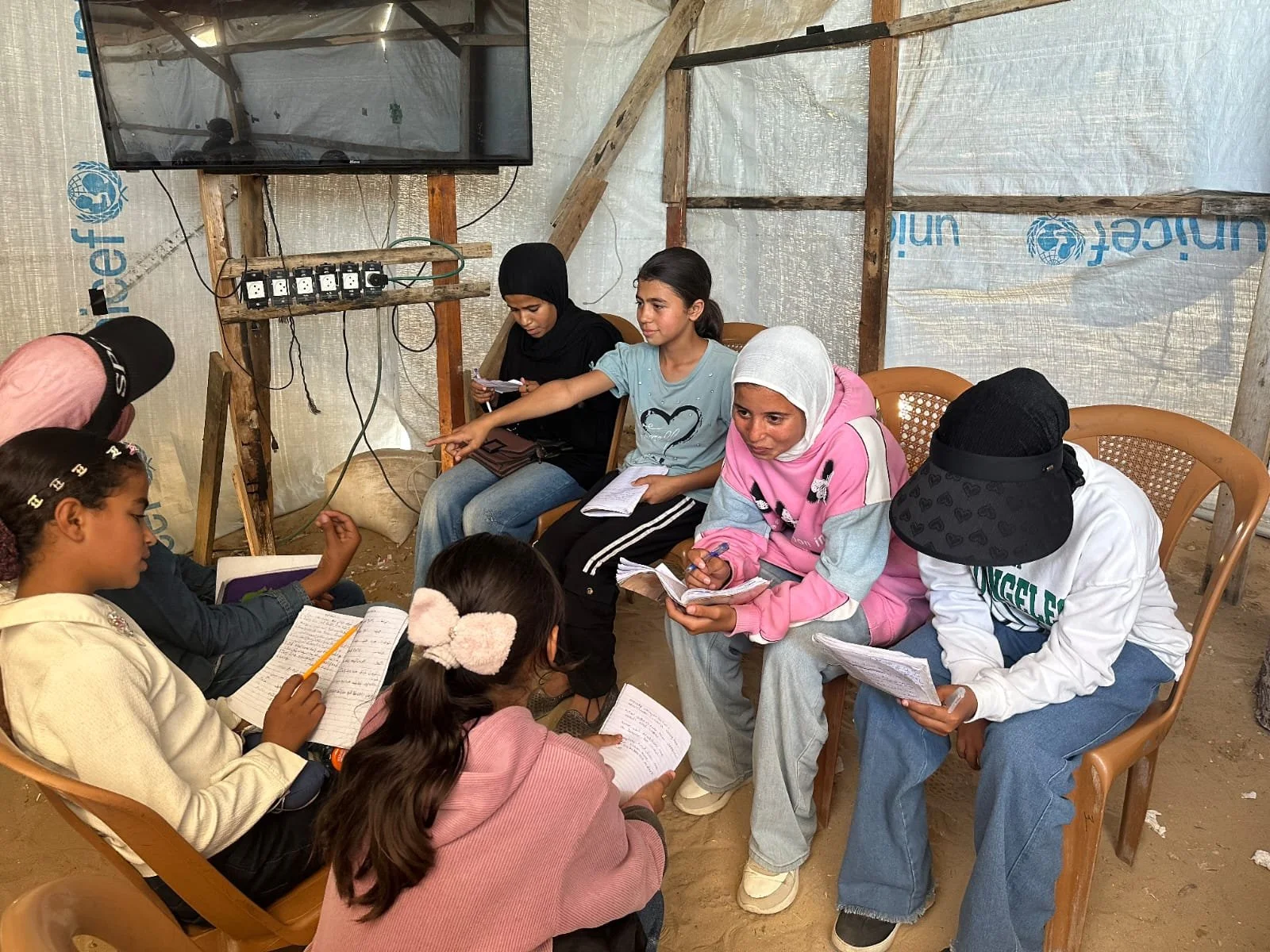
Literature has the power to connect students with ideas that extend far beyond the pages of a story. This week, students embarked on an exciting journey with Jebene, a thought-provoking story that sparked meaningful conversations about culture, traditions, identity, and human connection. From the outset, students demonstrated remarkable curiosity and enthusiasm as they explored the story's deeper messages and reflected on their relevance to contemporary life.
The lesson began with engaging discussions about the role of traditions in society, the nature of change, and the influence of modern life on relationships and emotional well-being. Students thoughtfully examined whether the story defends traditions, debated whether change is always negative, and considered how modern lifestyles can sometimes weaken interpersonal connections. Through these discussions, students practiced critical thinking, respectful dialogue, and evidence-based reasoning.
Most importantly, students connected the story’s themes to their own reality and lived experiences of resilience and change in Palestine. They reflected on how homes, memories, and traditions gain deeper meaning during times of difficulty and uncertainty and how people hold onto identity and belonging through family bonds, cultural practices, and shared memories. Without focusing on events themselves, students demonstrated emotional strength and maturity in recognizing how human beings preserve meaning, dignity, and hope even in challenging circumstances.
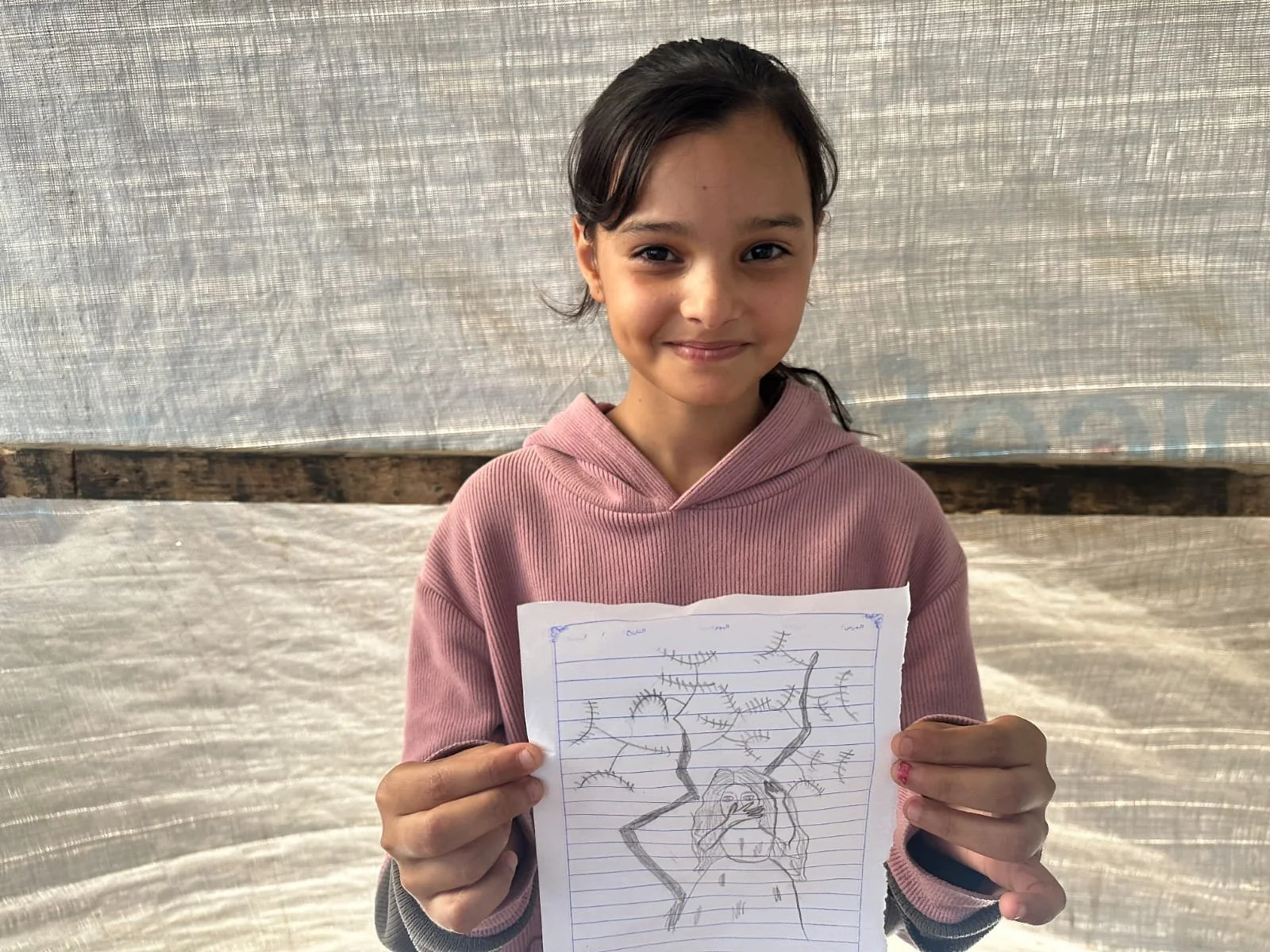
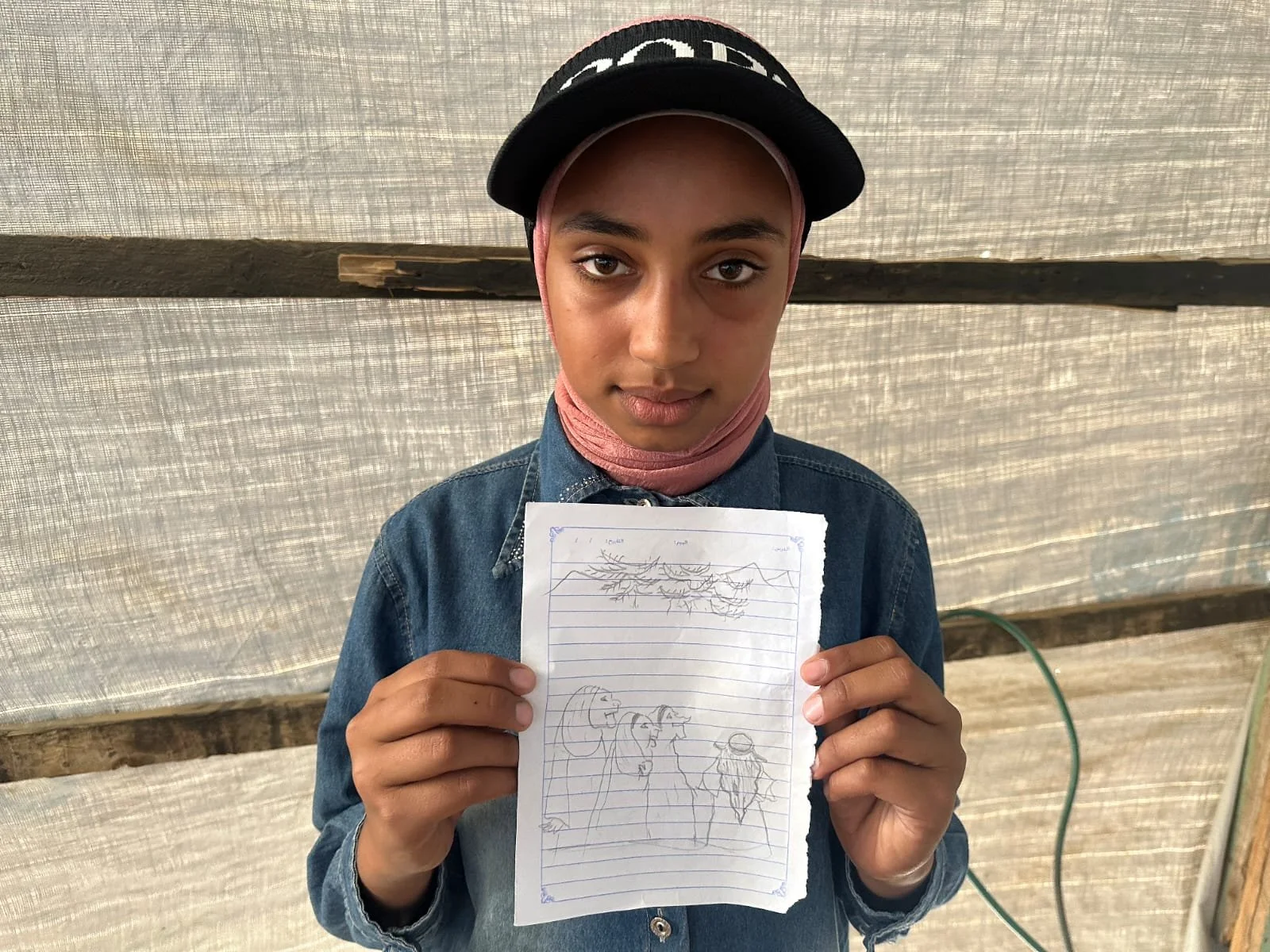
As the lesson progressed, students delved into the symbolic significance of Jebene, discovering that it represents far more than a simple coffee pot. They identified themes of family, memory, identity, culture, and belonging, while sharing personal objects that hold special meaning in their own lives. The session concluded with reflective discussions on preserving traditions, recognizing absent voices within the narrative, and exploring what truly makes a place feel like home. Through active participation and thoughtful contributions, students demonstrated a deep appreciation for the story's values and developed a richer understanding of the connections between culture, memory, and personal identity.