From Stories to Confidence: Learning English with Tunjur
In this week’s blog, Miss Hana from the Stories Alive Club in Gaza shares how storytelling turns English lessons into joyful, creative adventures. Through Tunjur, her students explored vocabulary, role-play, games, and imagination while building their confidence and discovering the joy of learning together.
Our English fans club sessions are journeys where students move, laugh, think, imagine, and most importantly, use English with confidence.
Each session, we explore a new story with curiosity. We predict the story by looking at the pictures, guessing the characters, or learning a few key words through fun games. This simple start builds excitement and prepares them for what is coming next.
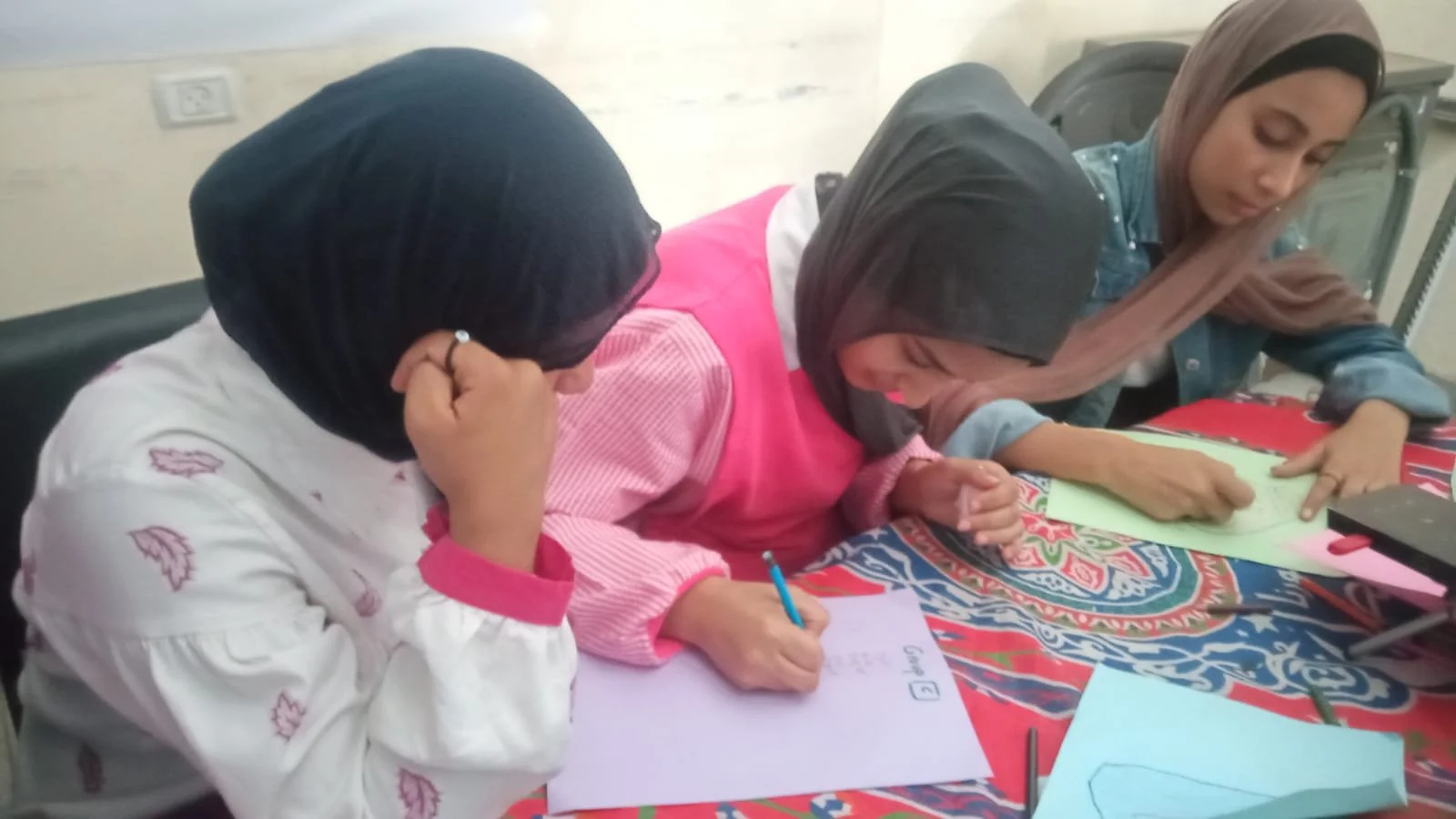
As the story unfolds, the classroom comes alive. Students act out scenes, imitate characters, answer questions, work in teams, and play interactive games that reinforce vocabulary and comprehension. They are not just listening to a story—they are becoming part of it.
This week, our feet landed on the pages of Tunjur's story. A story that teaches us the importance of good manners, listening to advice, showing gratitude, and most importantly, to cherish motherhood.
At the beginning, my students laughed at the fact that a cooking pot can be a naughty baby, but then they discovered that Tunjur is about much more than a magical pot.
Using the lines of Tunjur, through games, role-play, prediction activities, and group discussions, the children learned and expanded their vocabulary, improved their speaking skills, and built confidence by expressing their own ideas.
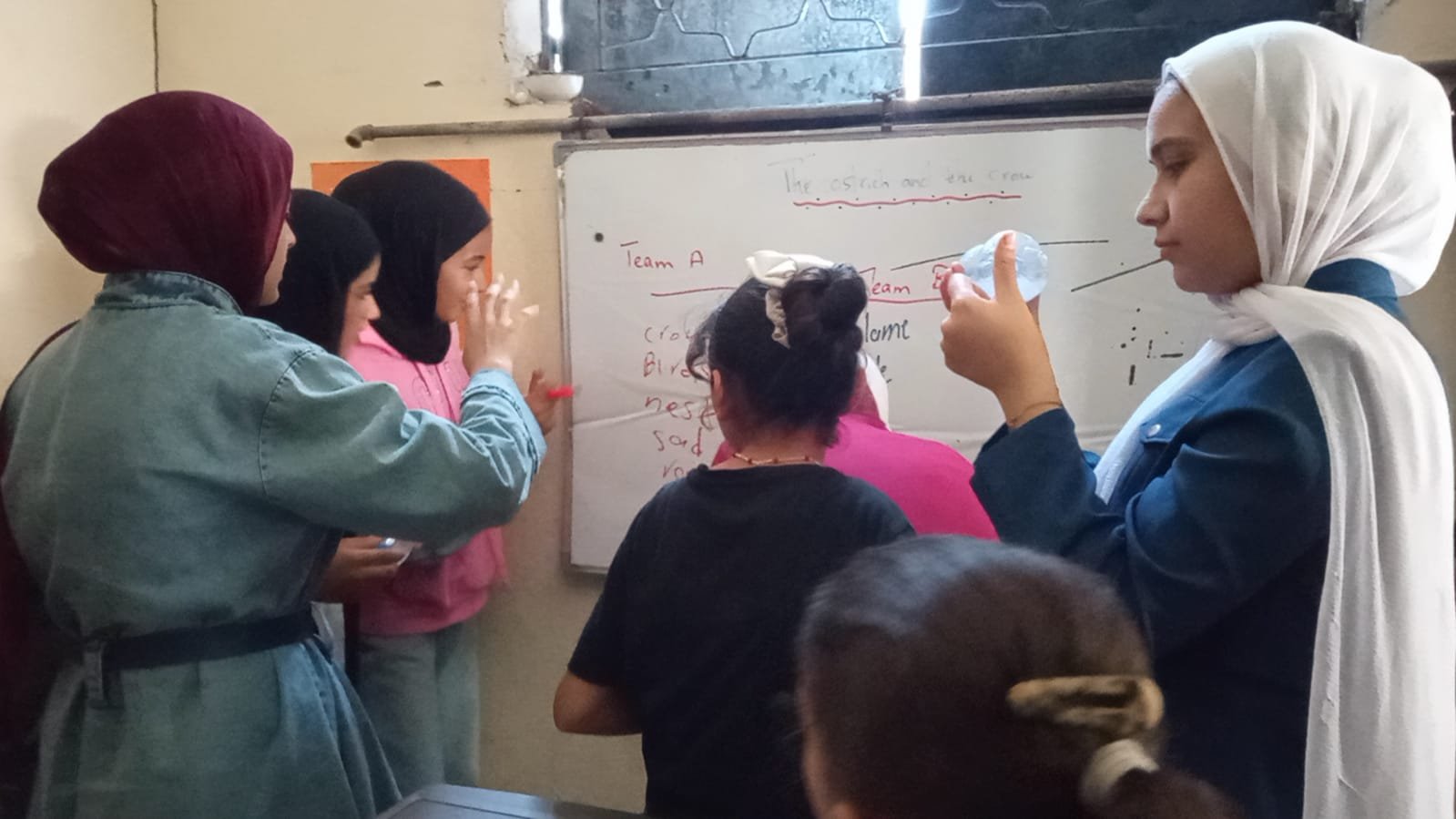
One of the highlights of the lesson was asking the students, "What would you do if you had a magical Tunjur?" Their creative answers filled the classroom with laughter and imagination.
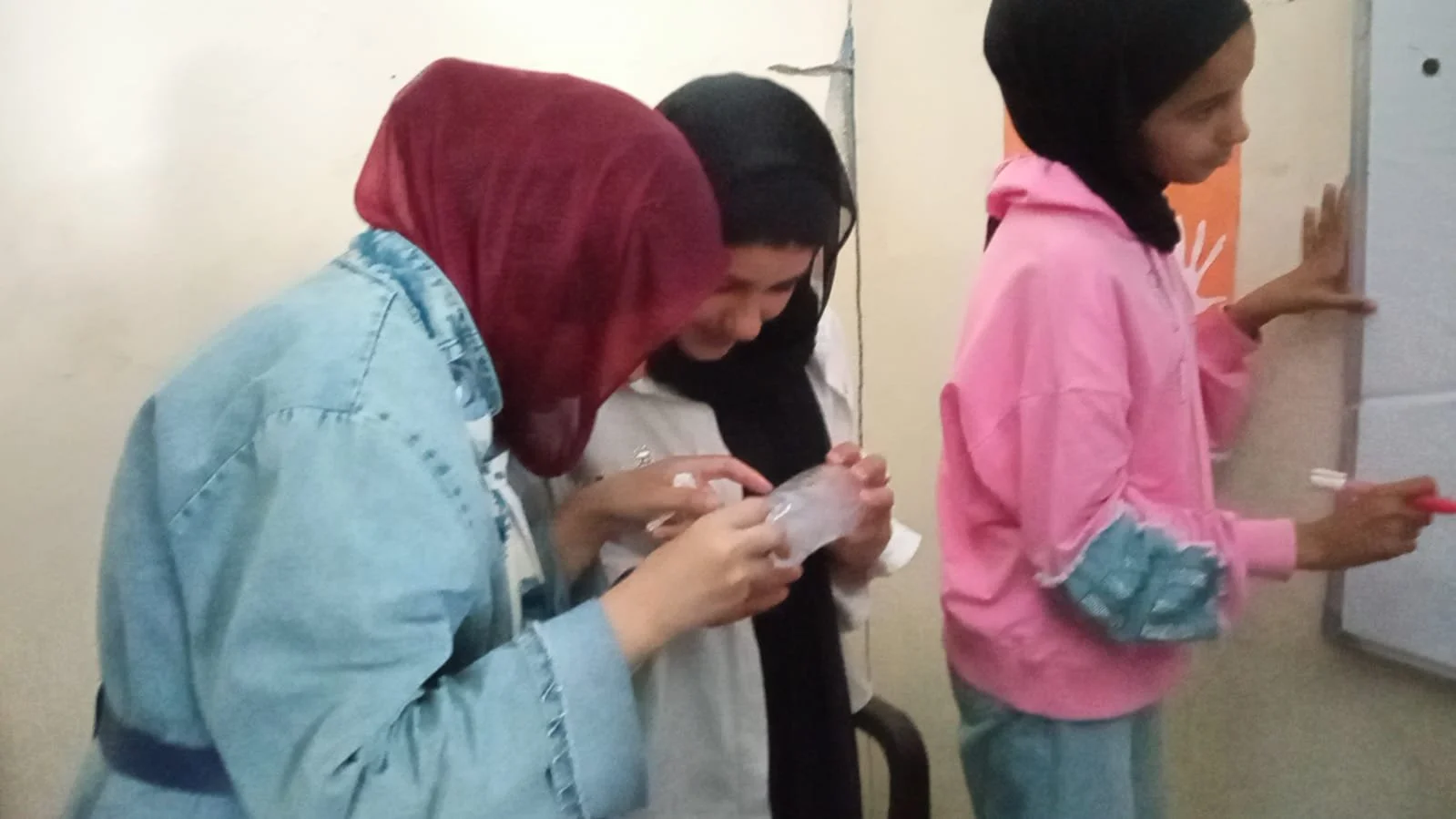
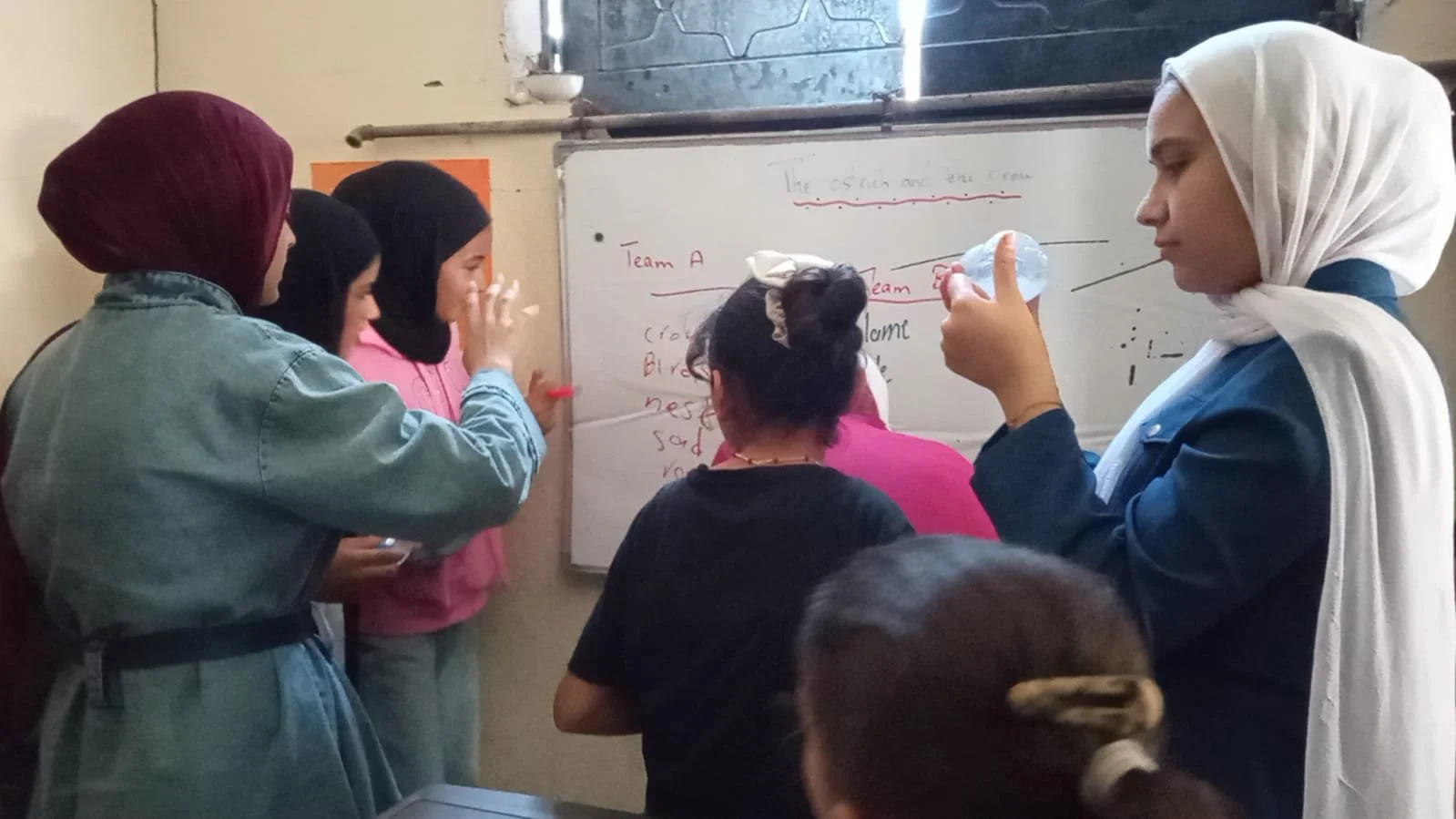
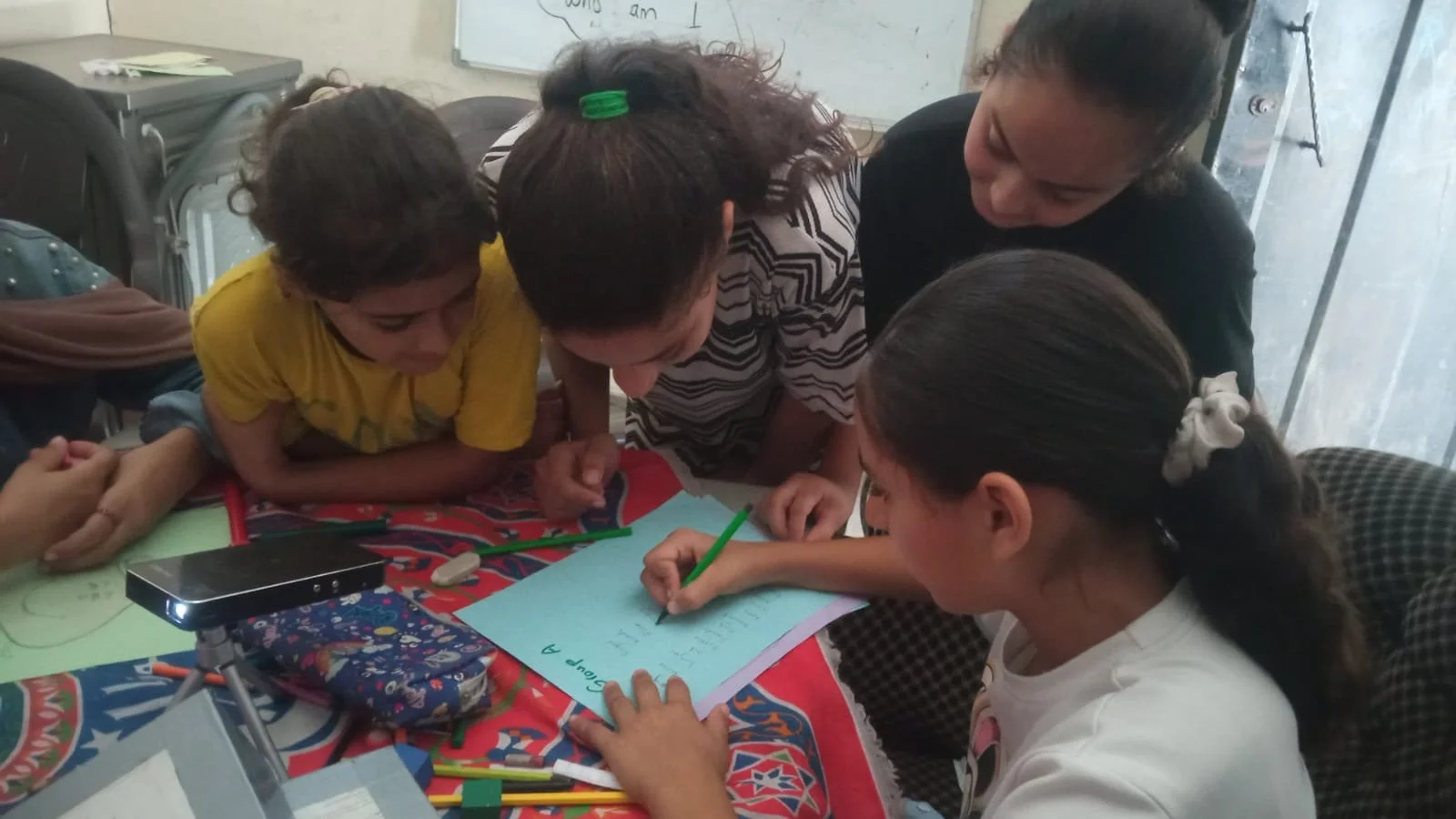
Another favourite activity of mine is the "vocabulary bottle race," where I use two bottles of water with some vocabulary cards inside the water. The students competed in two groups to write as much vocabulary as they could.
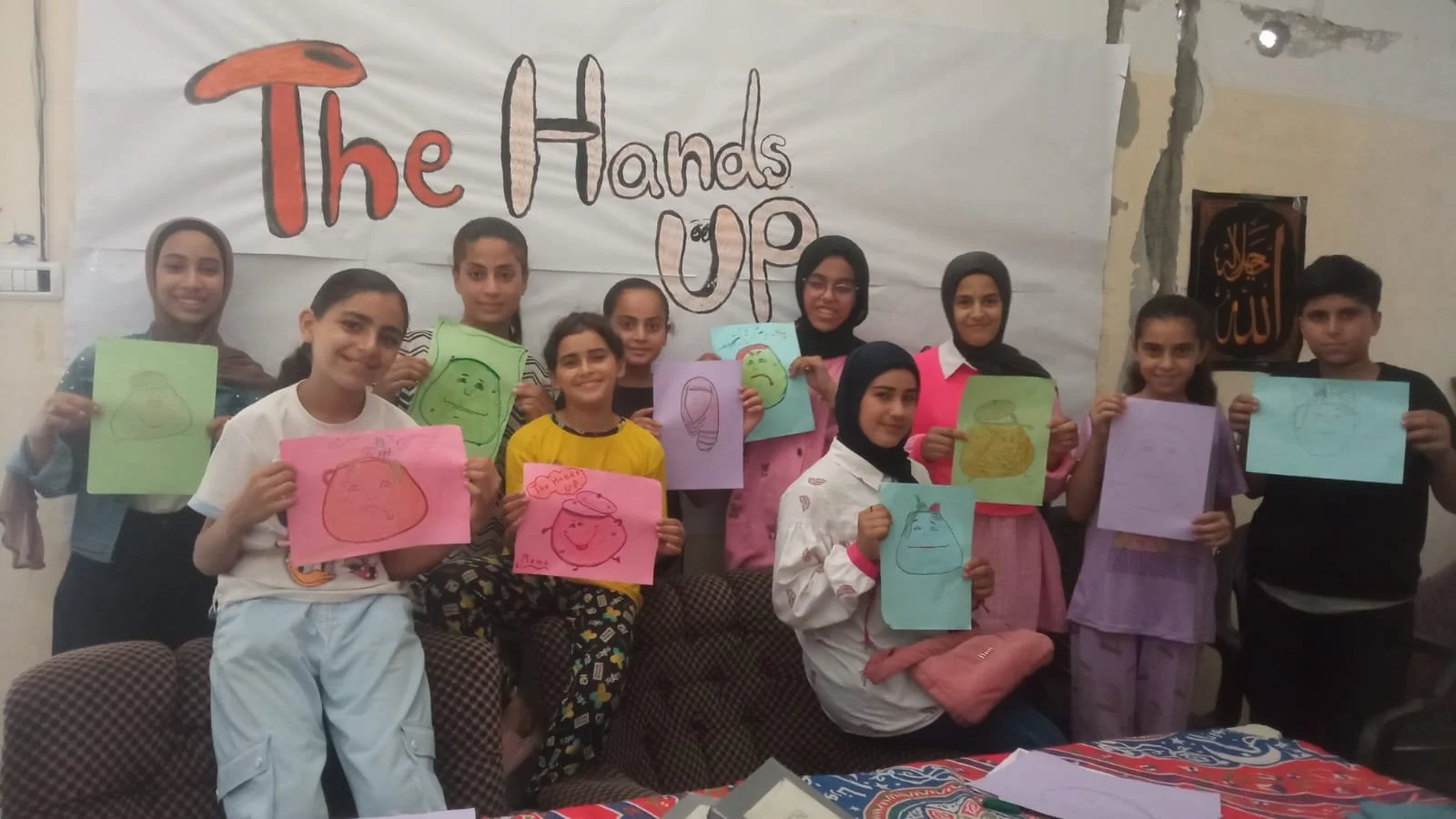
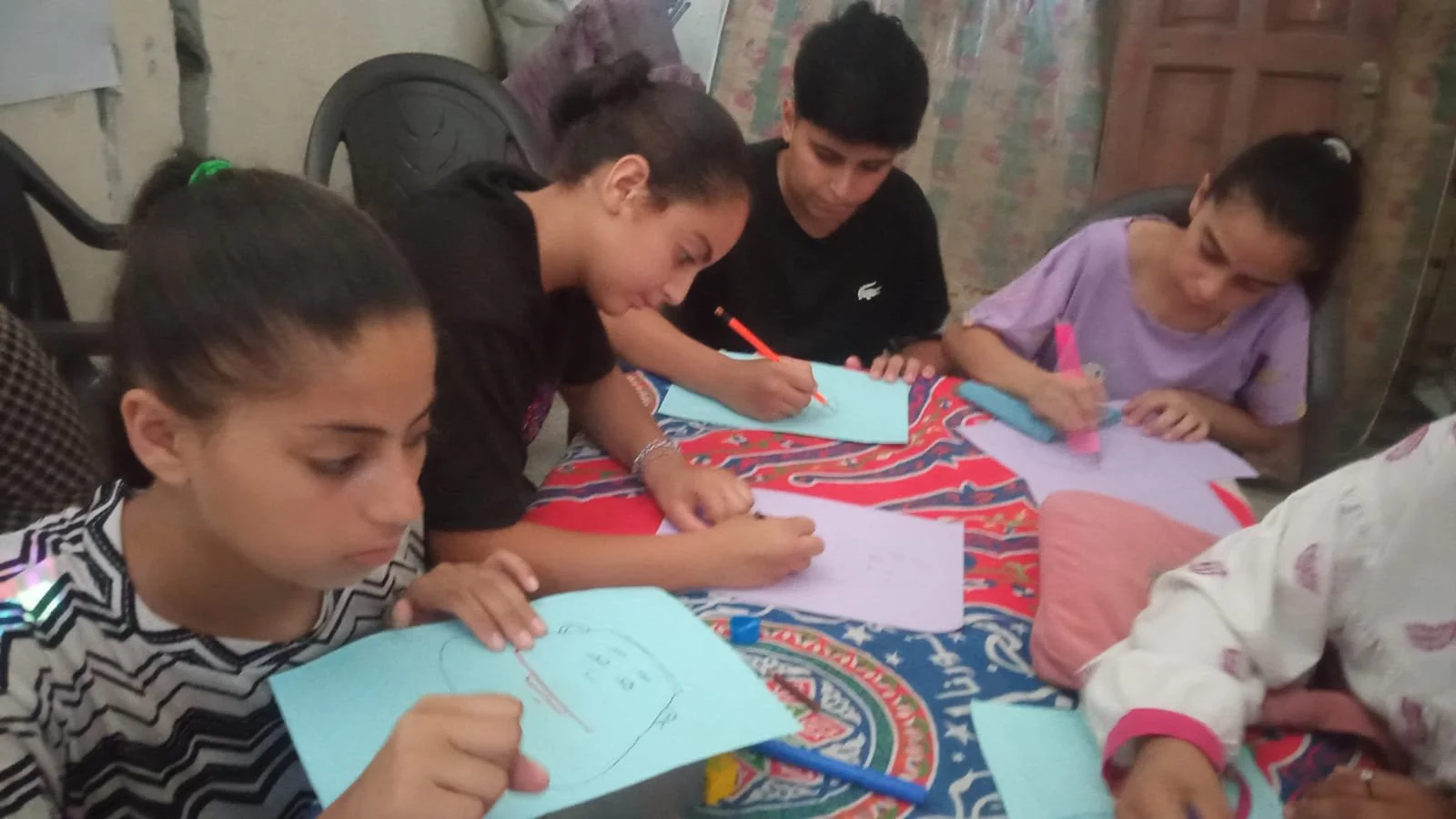
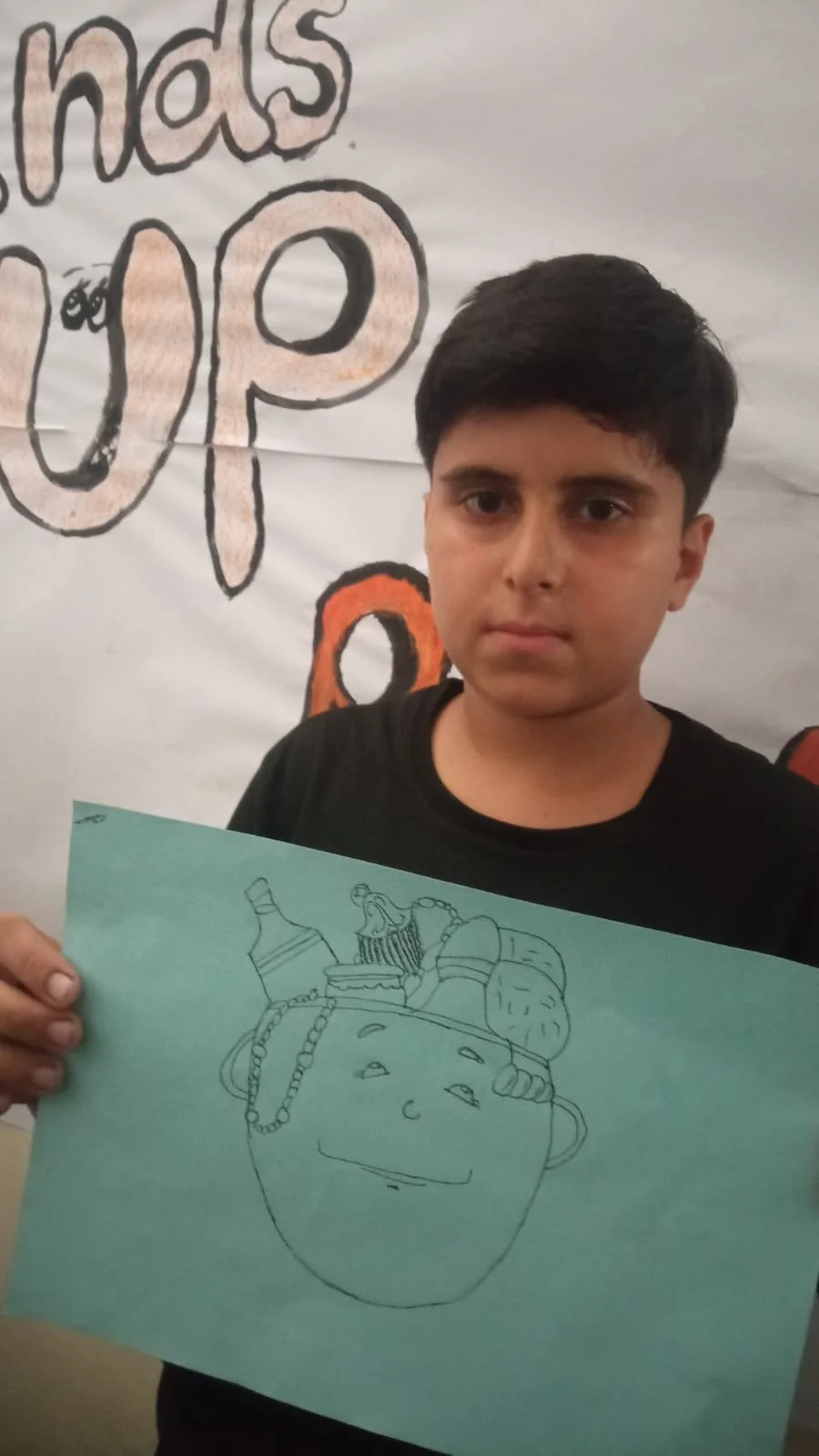
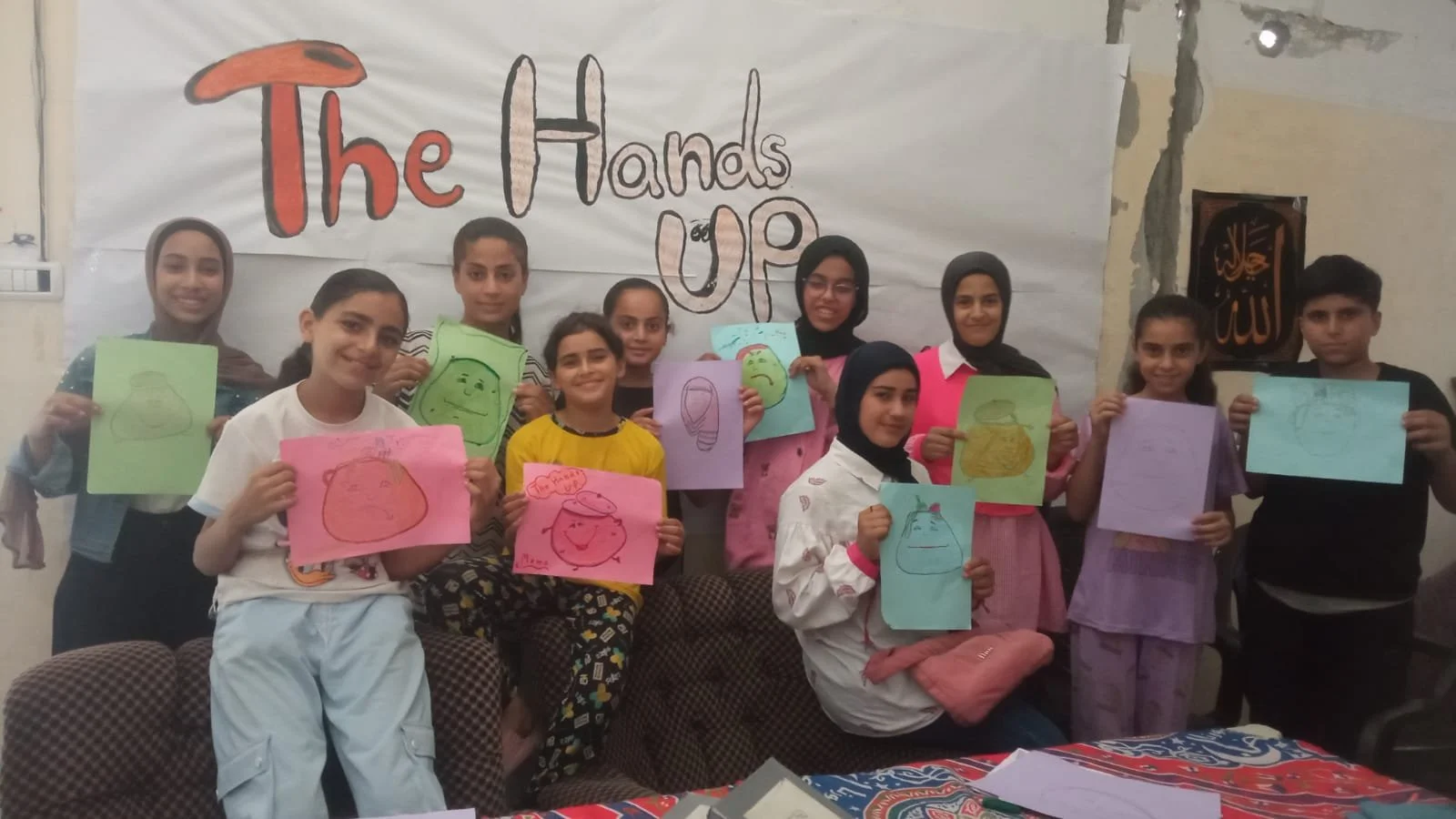
After the story, the learning continues through creative activities. Students may create a different ending, interview a character, draw their favourite scene, or discuss the lesson they learned. These activities help them express their ideas while developing their speaking, listening, reading, and critical thinking skills.
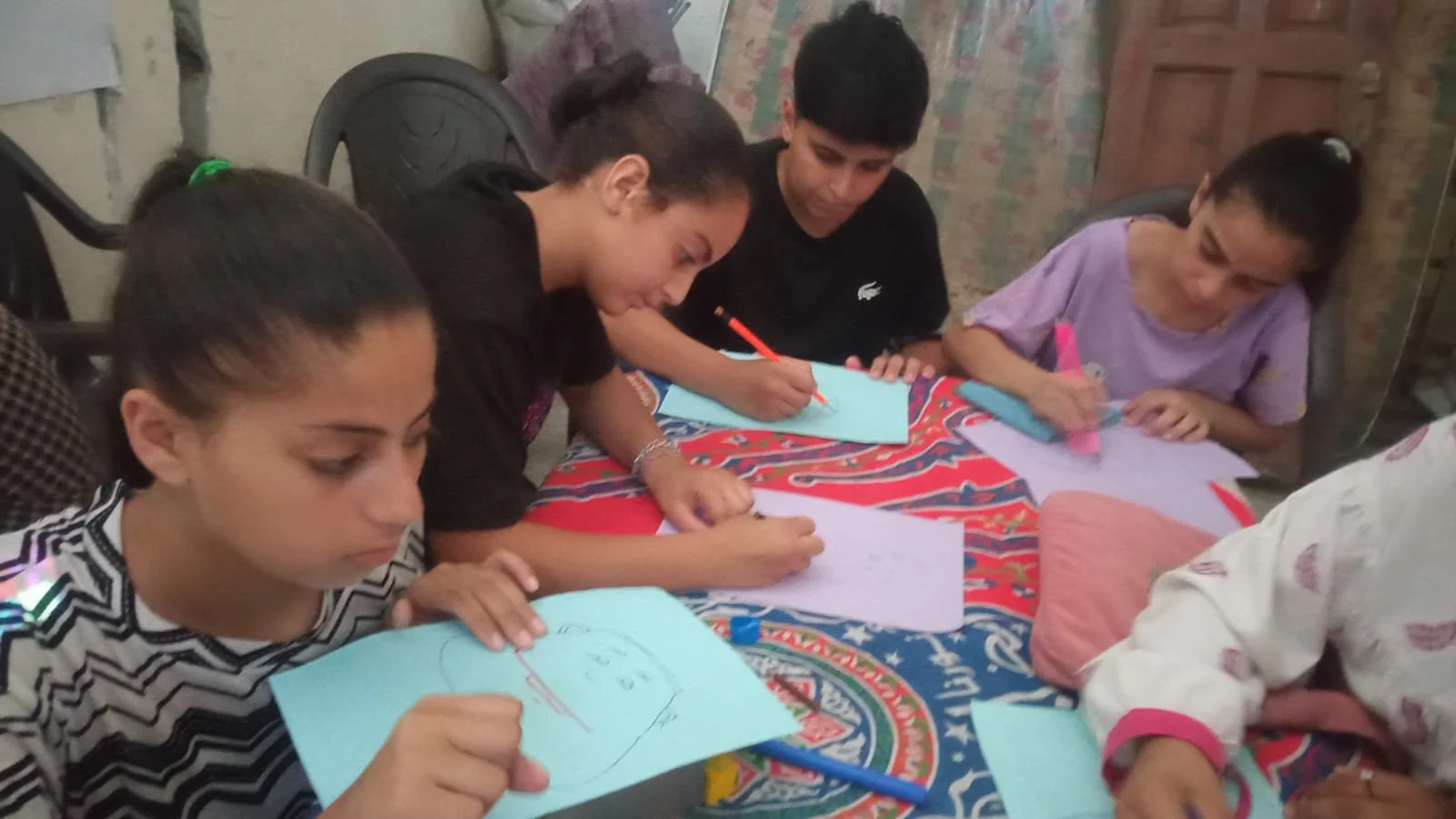
For me, storytelling is not only about teaching English. It is about creating meaningful experiences that make learning enjoyable and memorable. When students leave the classroom smiling and asking, “What story are we reading next?”, I know that I did my job perfectly.