Gained in Translation
I’m sure you know that we now have two of our books which which have been translated into Spanish - Moon tell me truth and Shattered. Elsewhere on this blog I’ve written a post about the value of working with these bilingual versions of the books in terms of language development.
Here I’d like to focus instead on the benefits to learning of the learners themselves translating things.
We’re currently working on the Portuguese version of ‘Moon tell me truth’. When I say ‘we’ I really mean my very good friend in Brazil, Conrado, is doing it and I’m helping him a bit with trying to be as true as possible to the thoughts and feelings of the children in Gaza who wrote the originals. It’s an impossible task of course, but I’m finding that it’s such an enriching learning experience in so many ways, for me as a learner of Portuguese, but also for Conrado as a learner of English.
Let’s take this evocative poem by 9 year old Noran in Gaza.
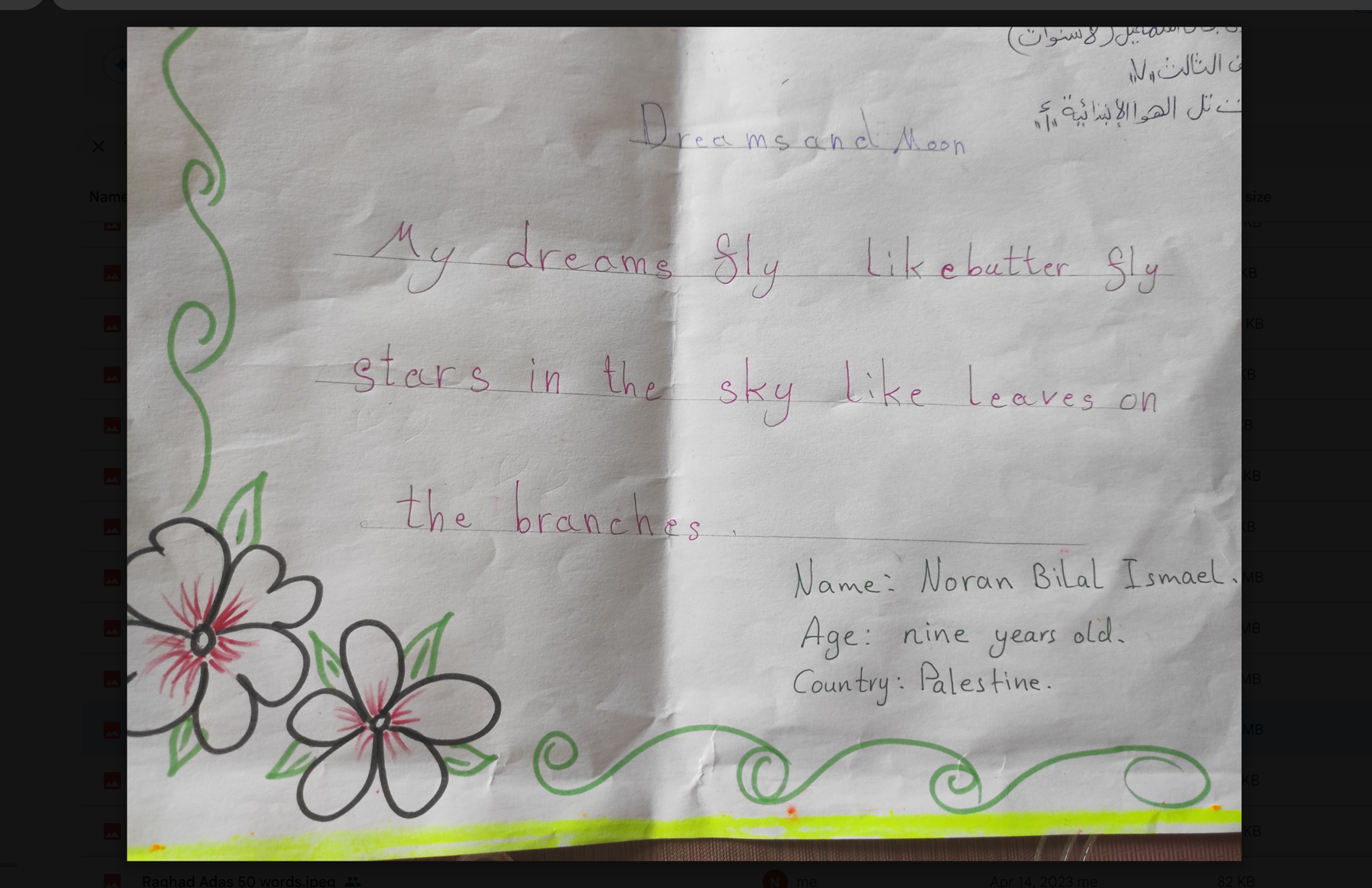
Here’s our translation of it into Portuguese.
Sonhos e lua
(Noran Bilal Ismael, 9 anos, Palestina)
Meus sonhos voam como borboletas
São estrelas no céu
São como folhas balançando nos galhos
There are lots of poems that I love in ‘Moon tell me truth’ but I have to admit that I’d somehow overlooked the strength of this one. Of course translating a poem isn’t just finding the ‘right’ words to represent the English ones; it’s also about trying to get inside the head of the poet. I think it was only through the process of agreeing with Conrado on a final version to go in the book, that I really started to appreciate the powerful images created by Noran, and how, with so few words she captures so much of the imagined feelings of the girl in Layla’s painting (below).
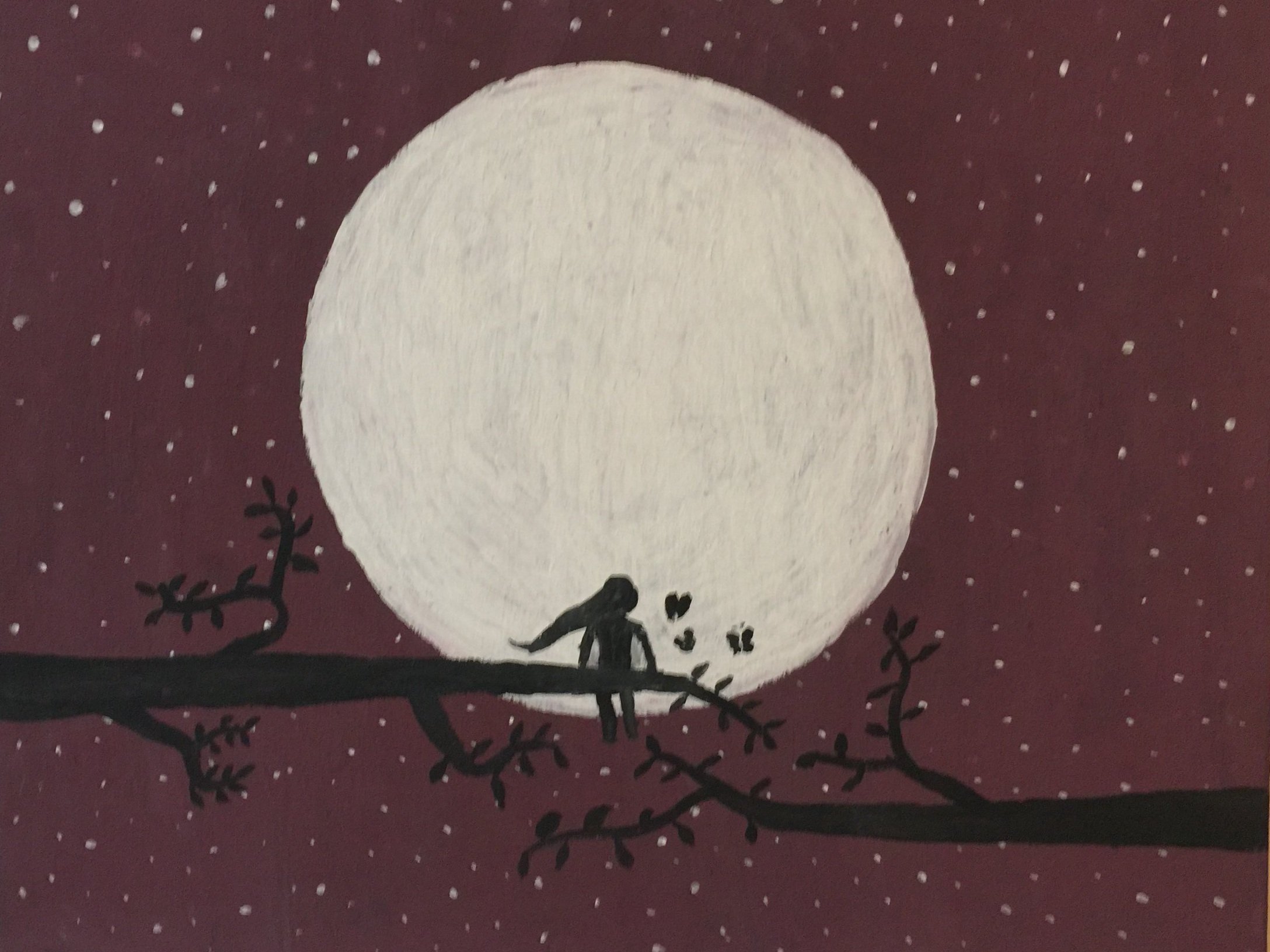
‘Purple Beam’ was painted by Layla Abed Mohamed in 2017. It inspired nearly all the poems in ‘Moon tell me truth’
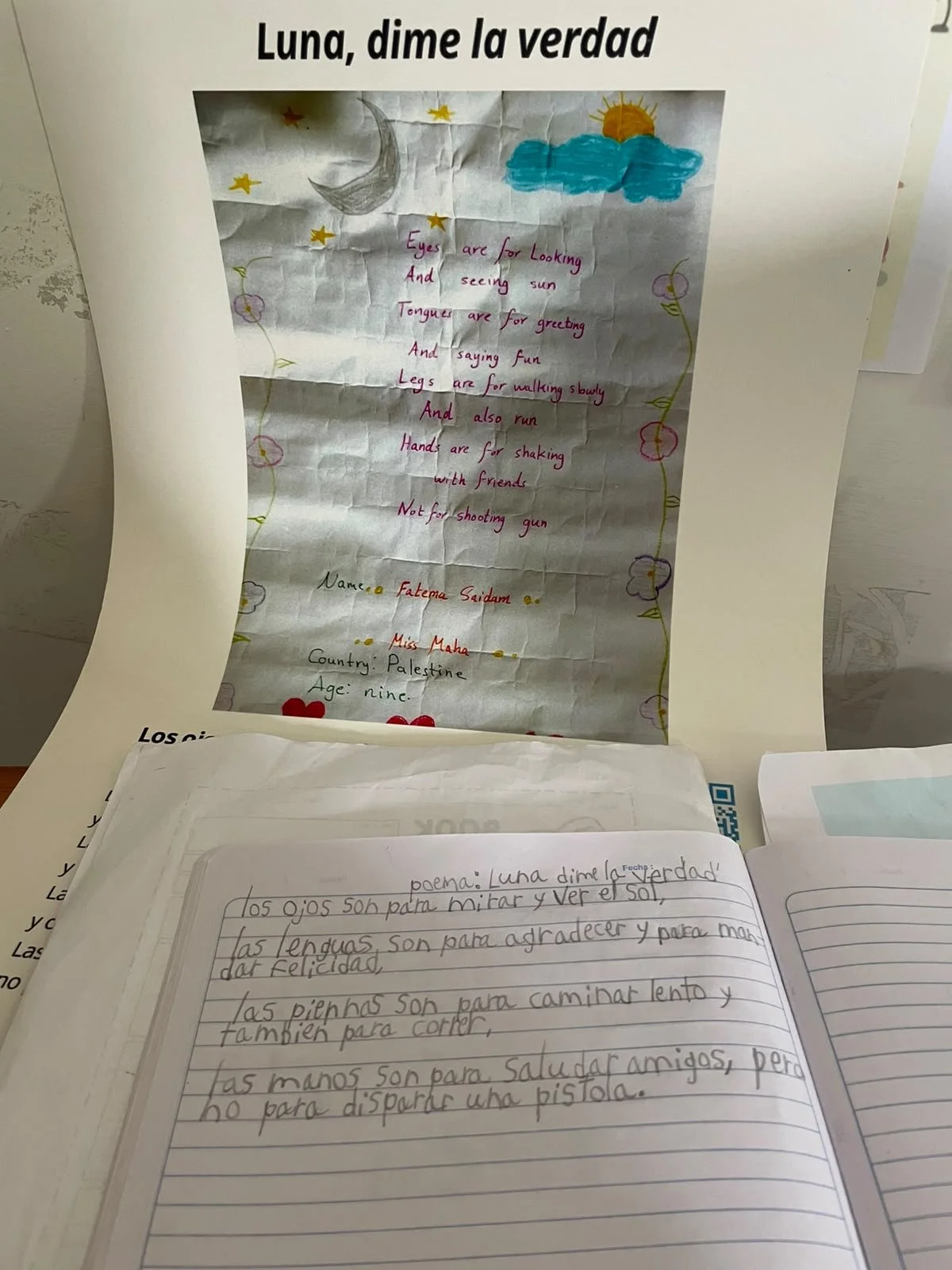
Here’s another great poem from the book, also written by a nine year old in Gaza.
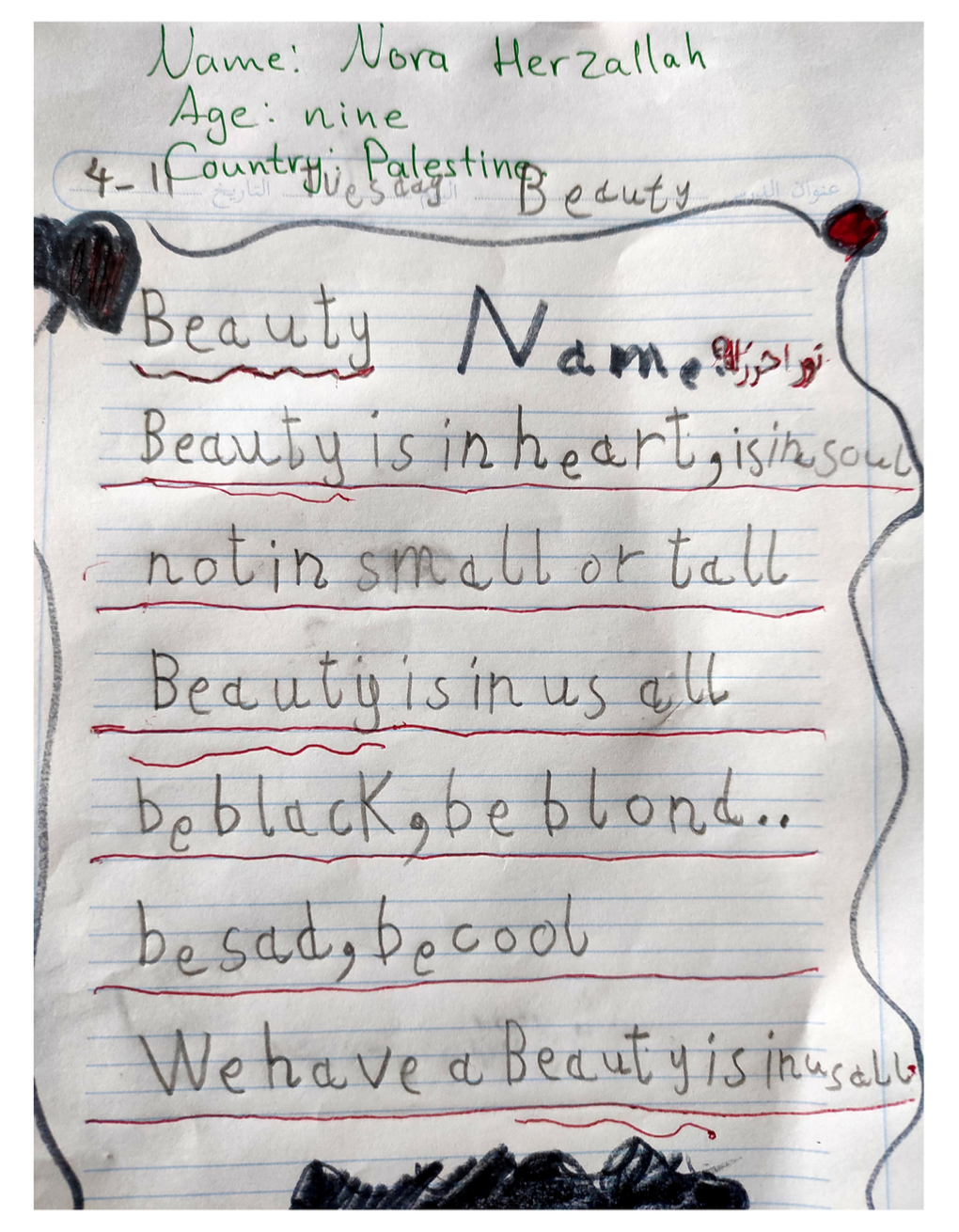
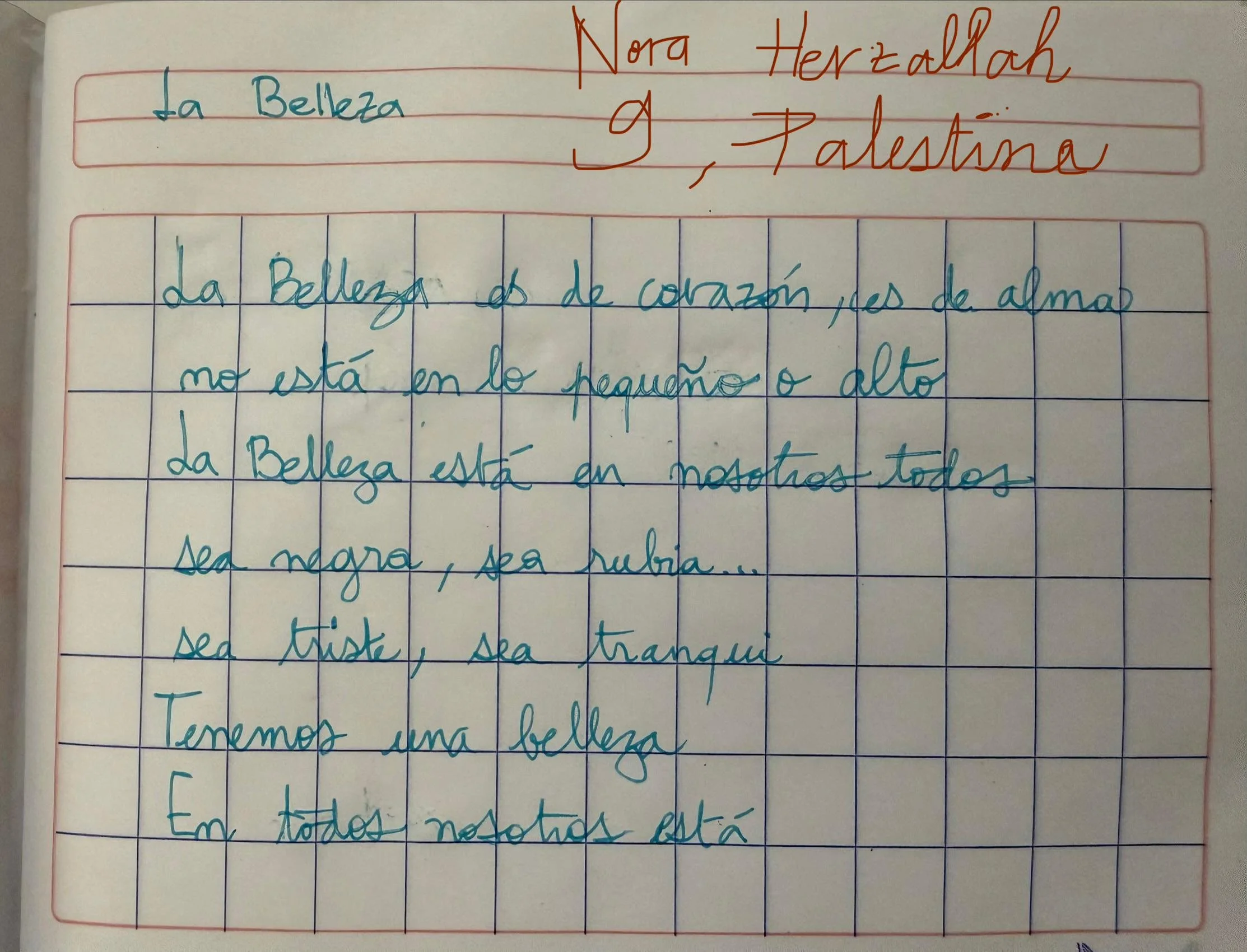
We already have a translation of this poem into Spanish in Luna Dime la Verdad, but I was chatting to a friend in Guatemala, Yasmin, about the process of translation and we decided to work on another one, which Yasmin felt was more in keeping with the simplicity of the original. We ended up talking a lot about the relative merits of the two different forms of the the verb ‘to be’ in Spanish (ser/estar) and how to find the right word for Nora’s ‘cool’. Here’s the version we both agreed on in the end.
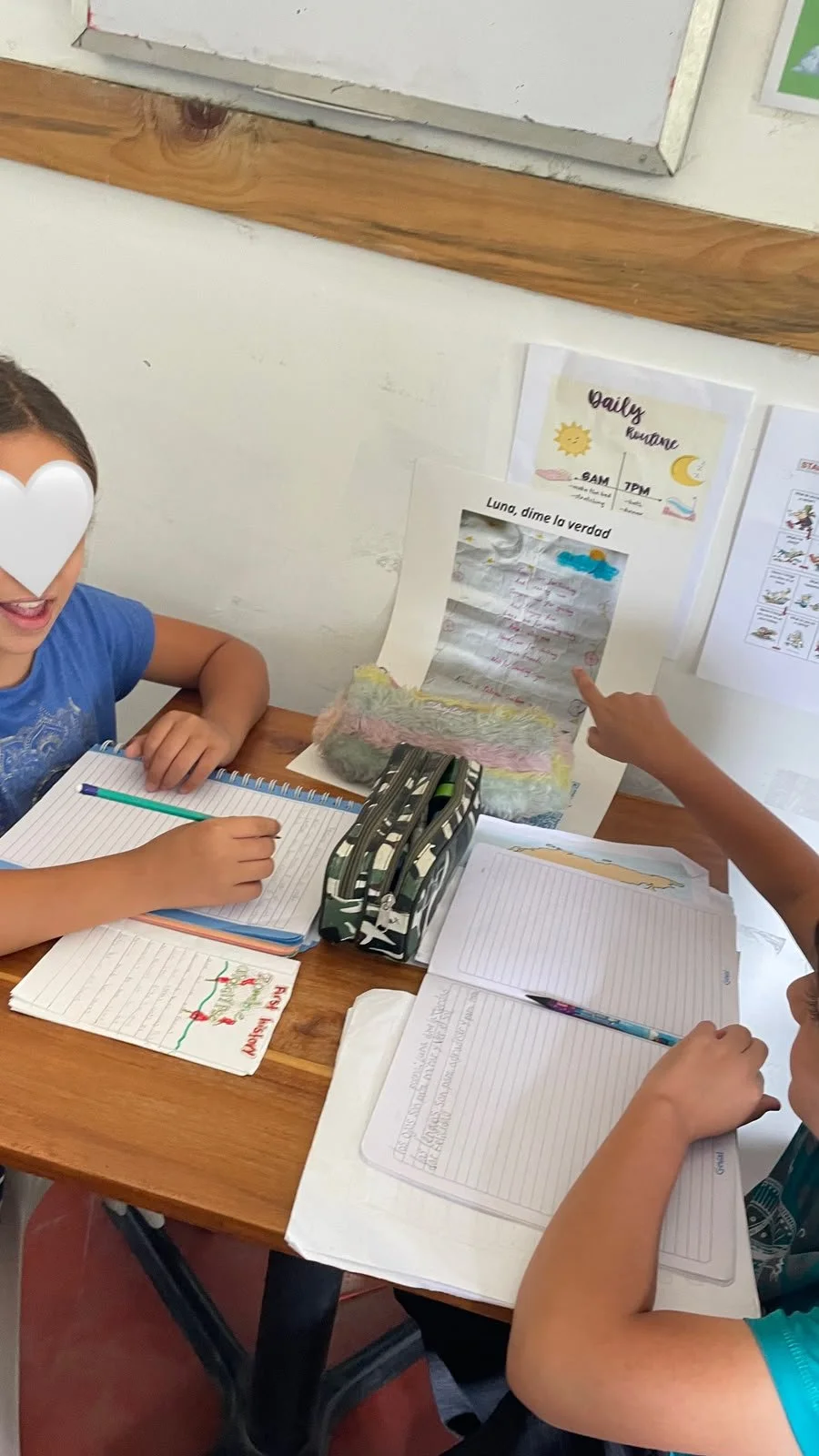
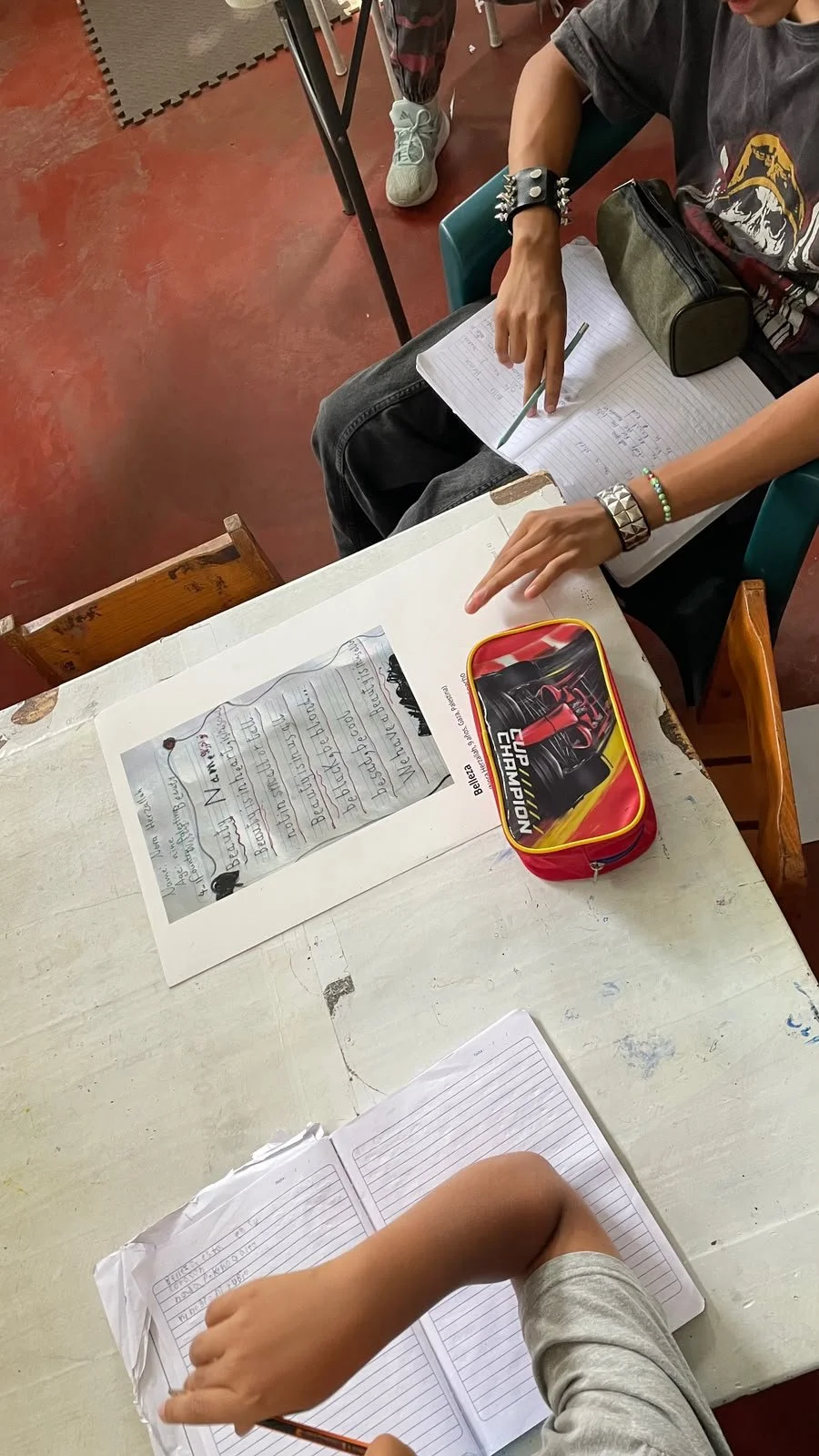
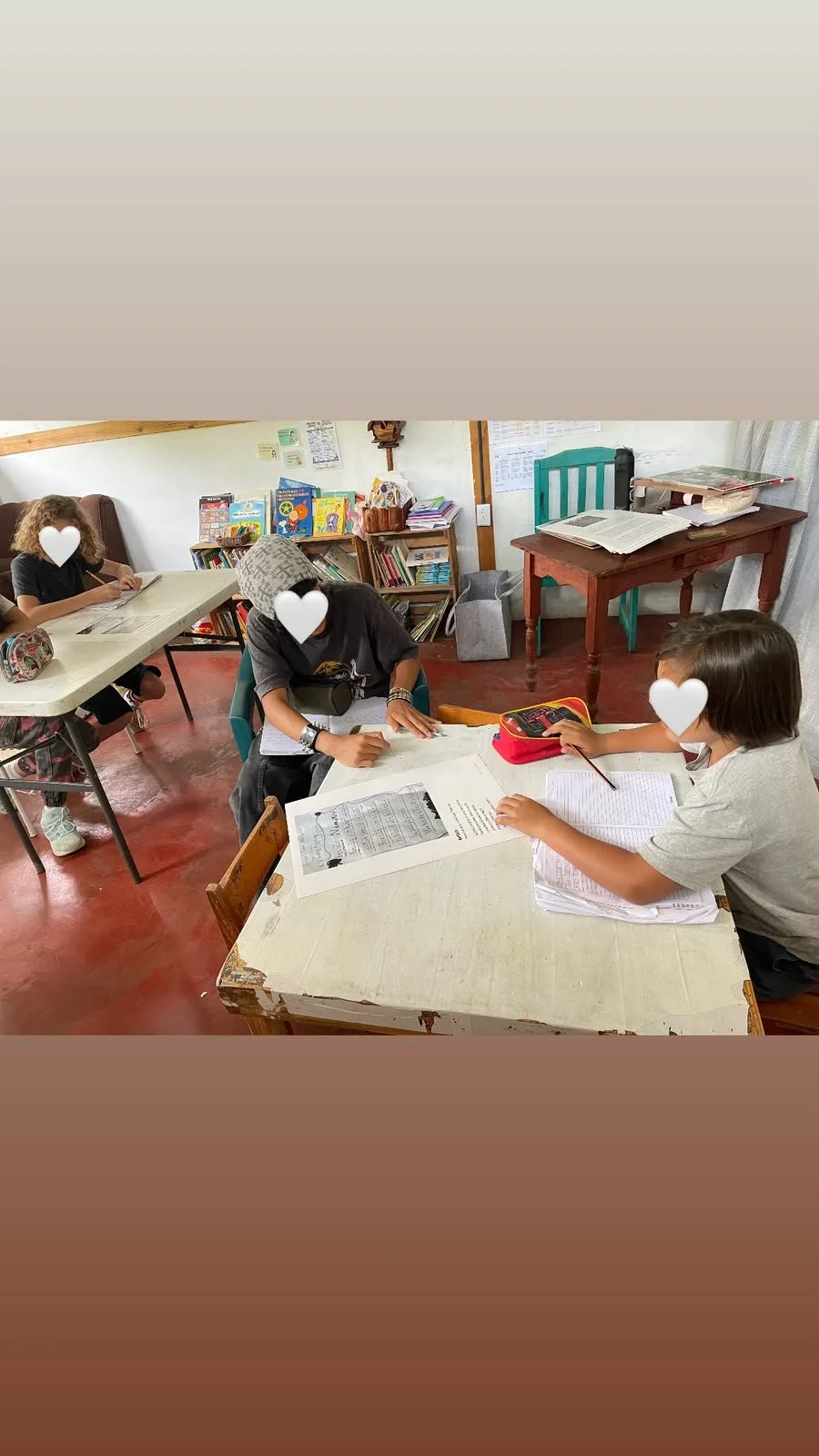
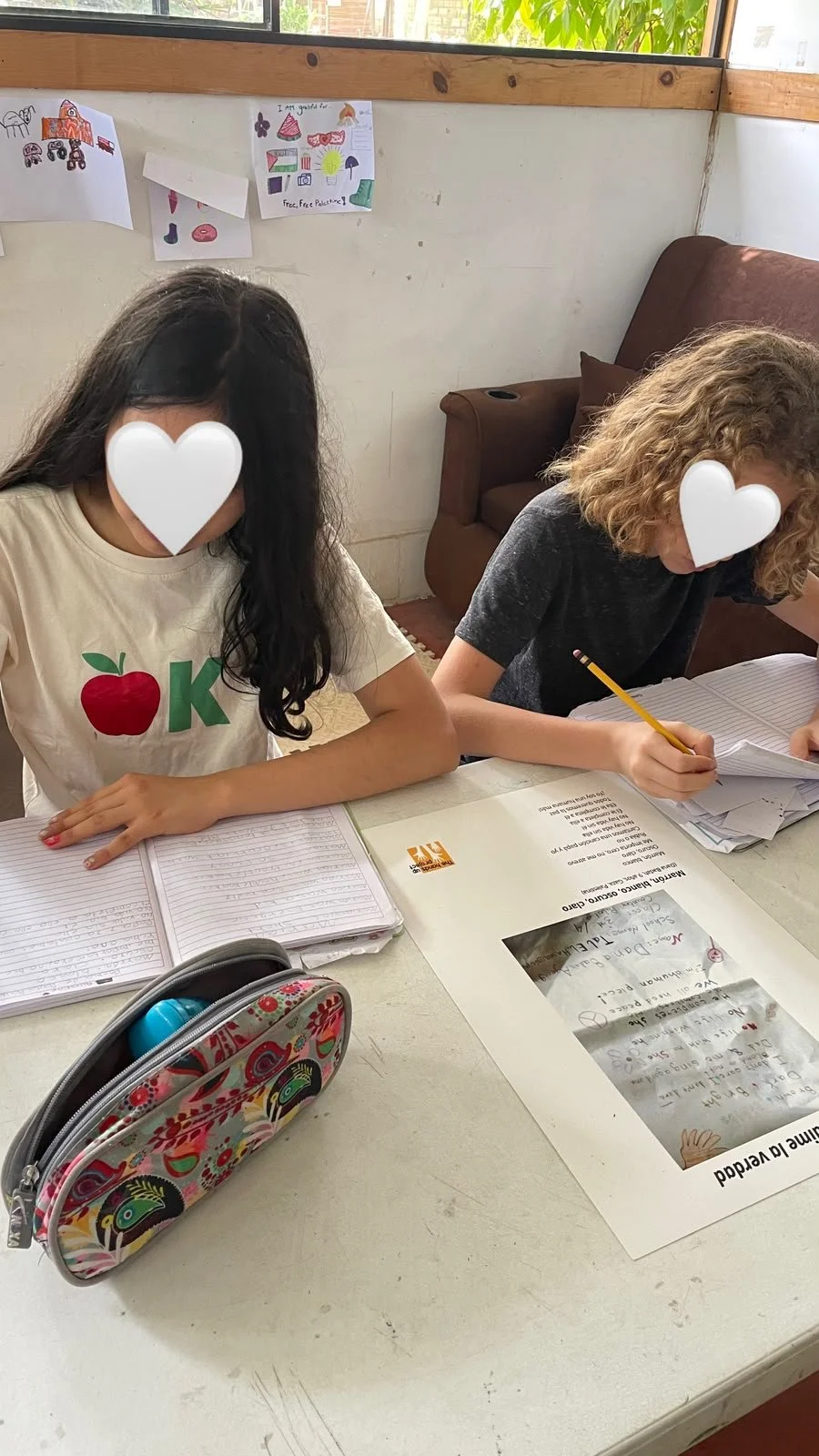
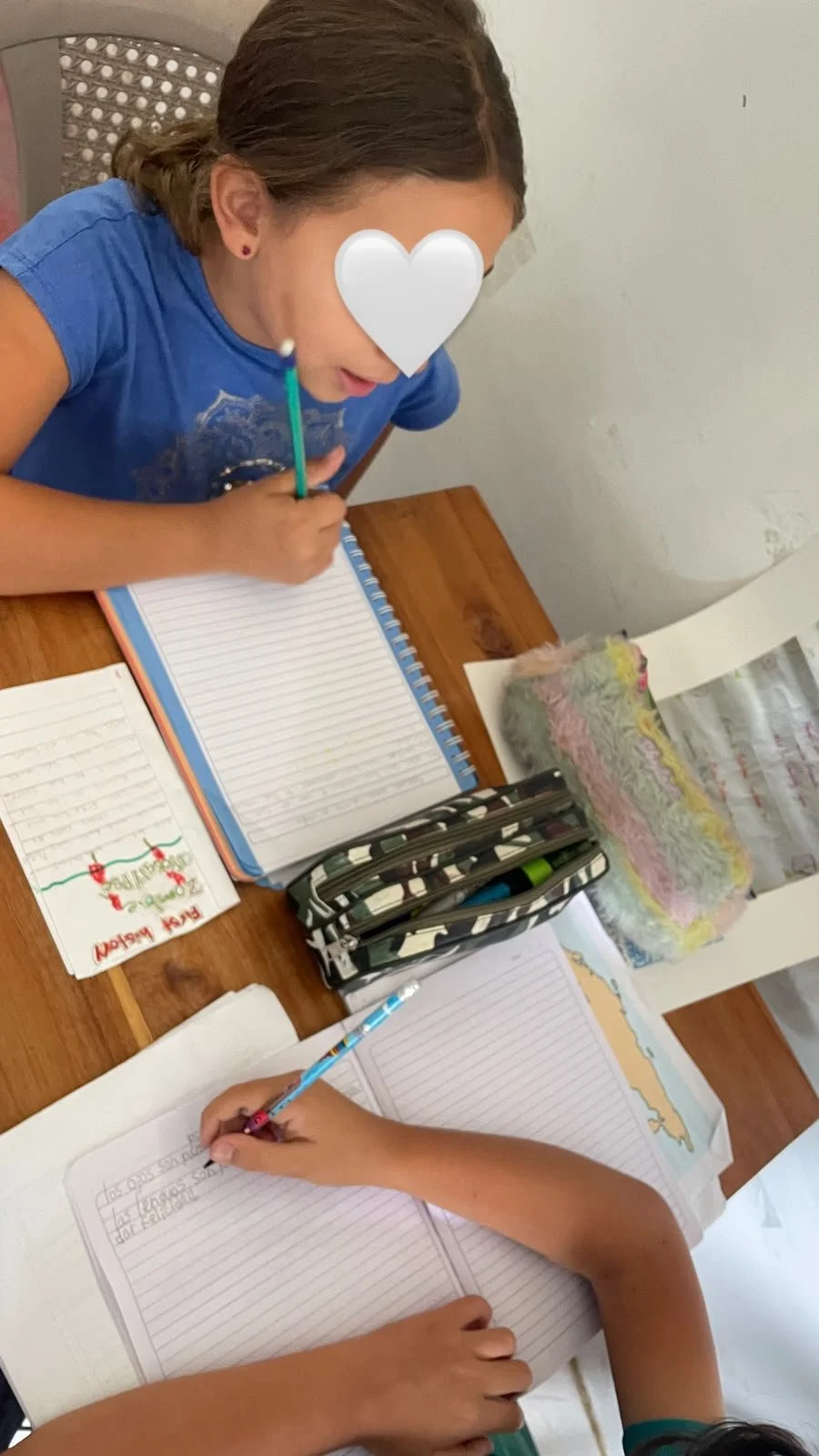
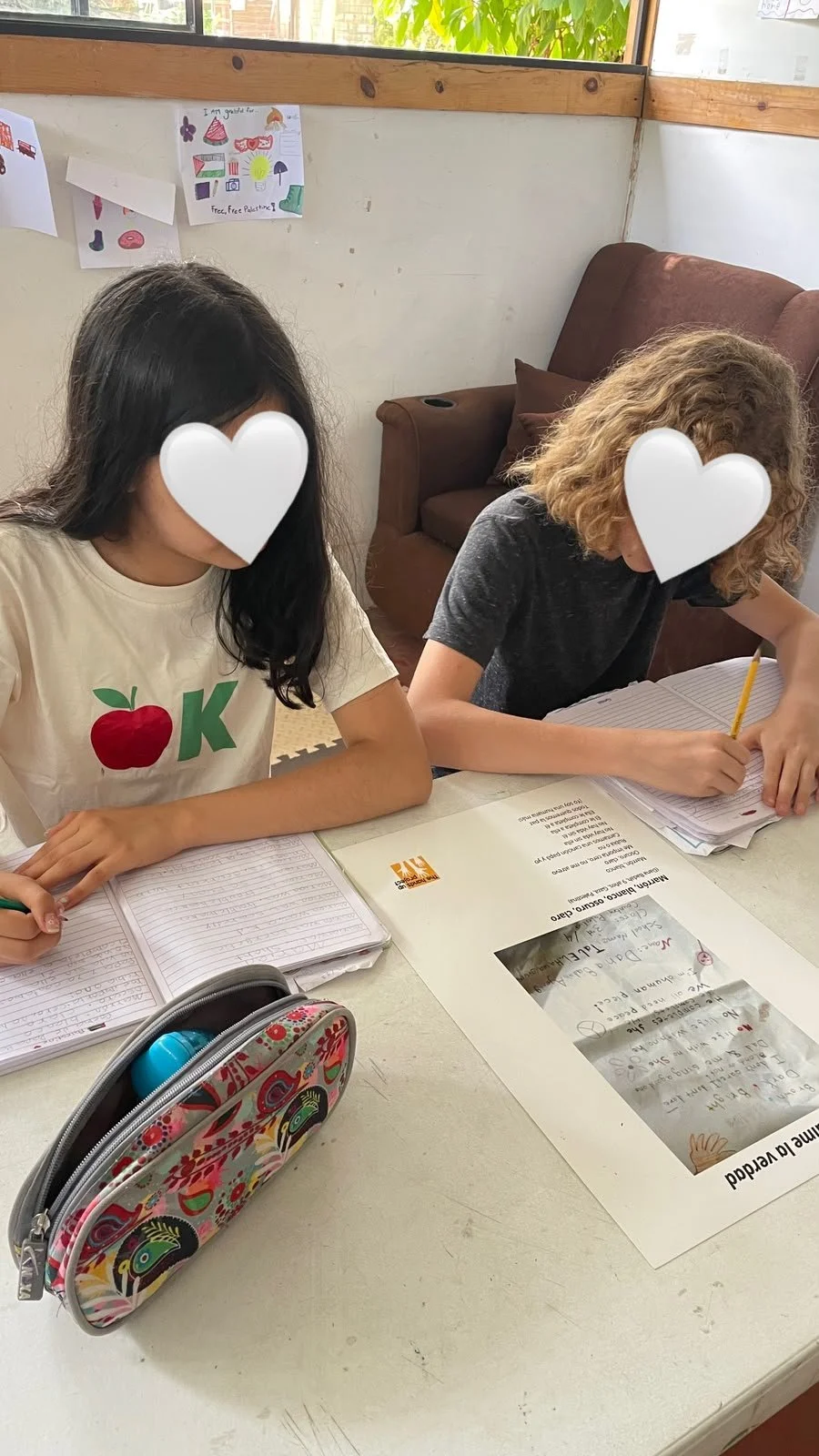
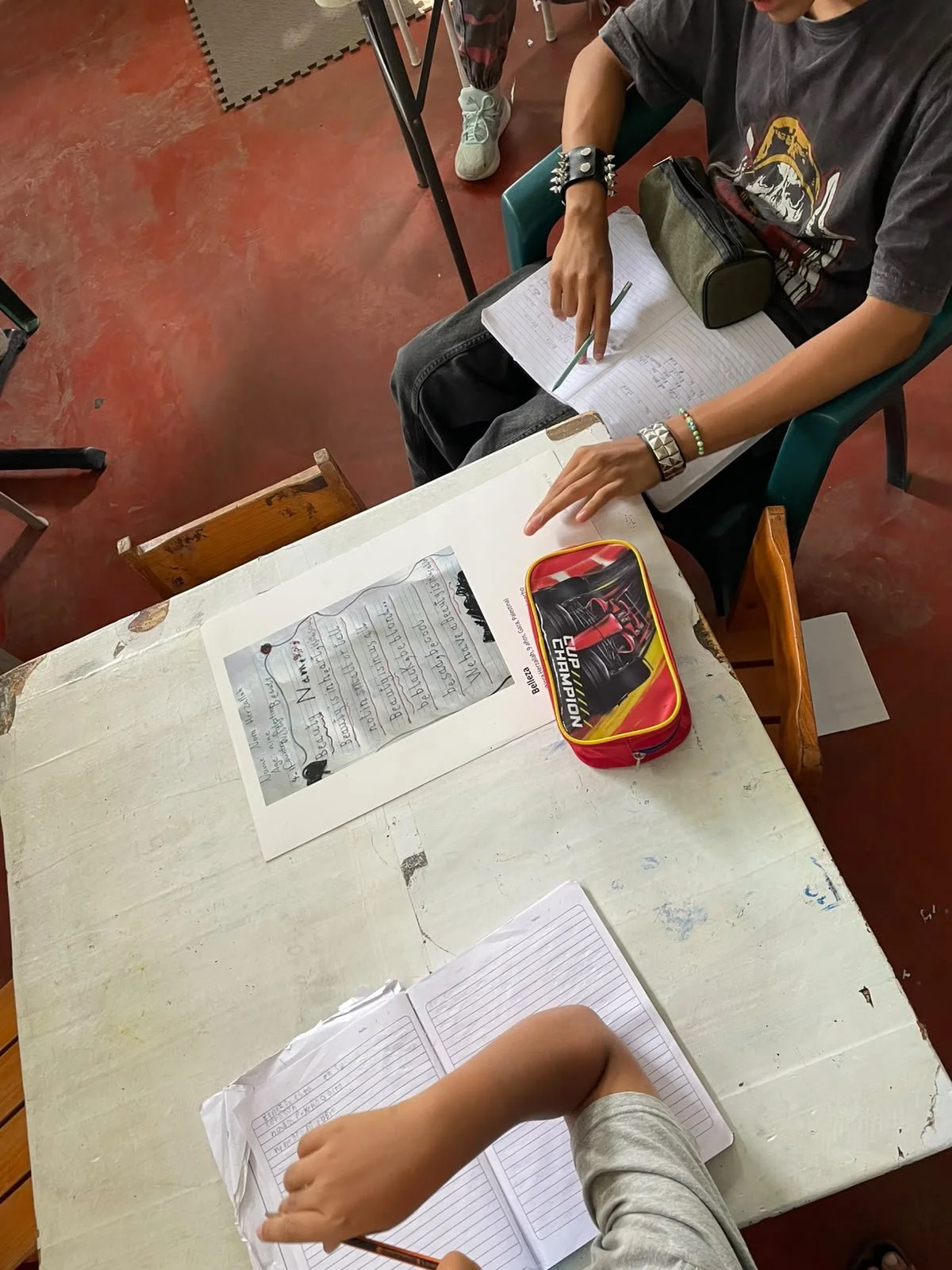
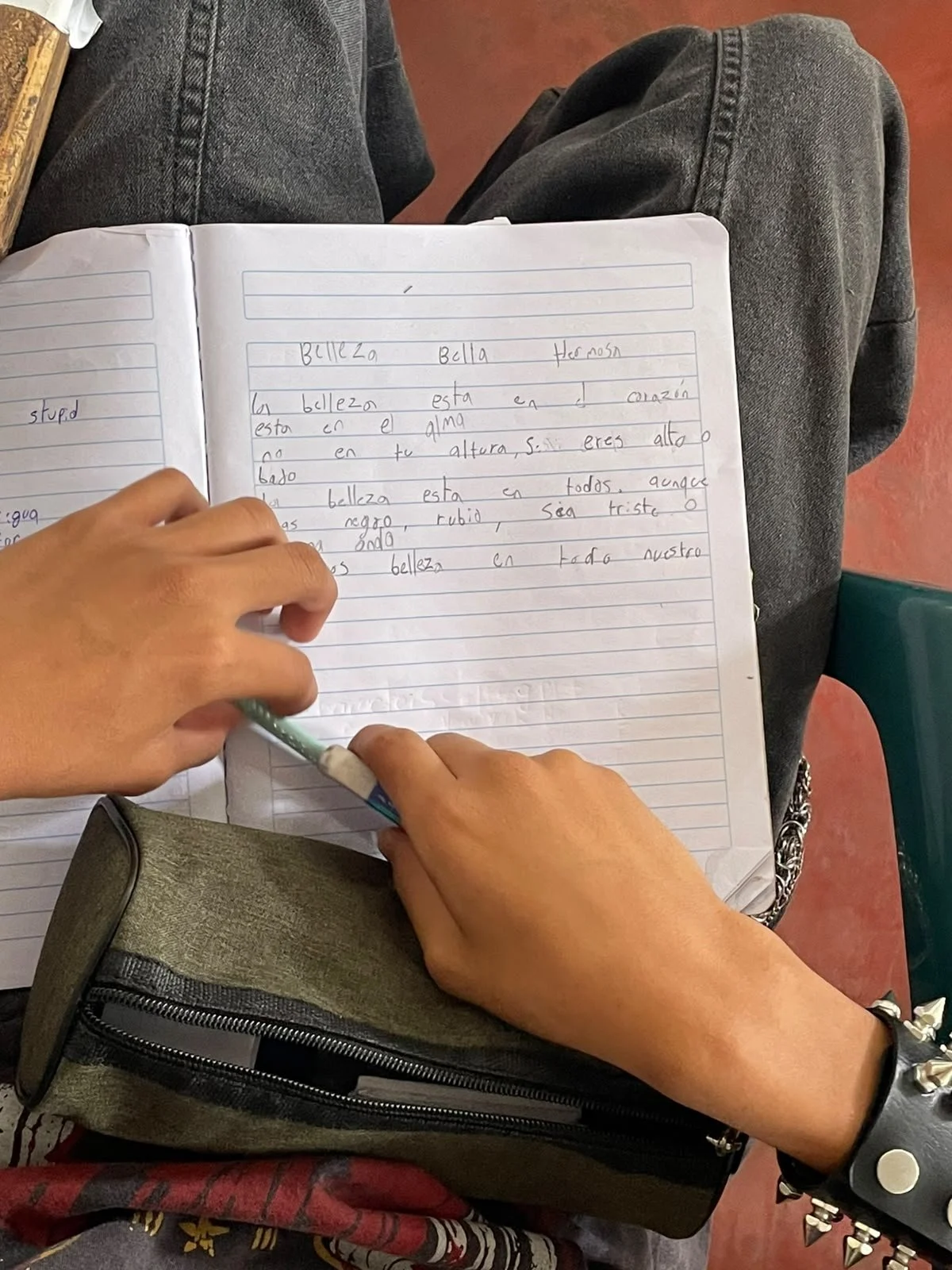
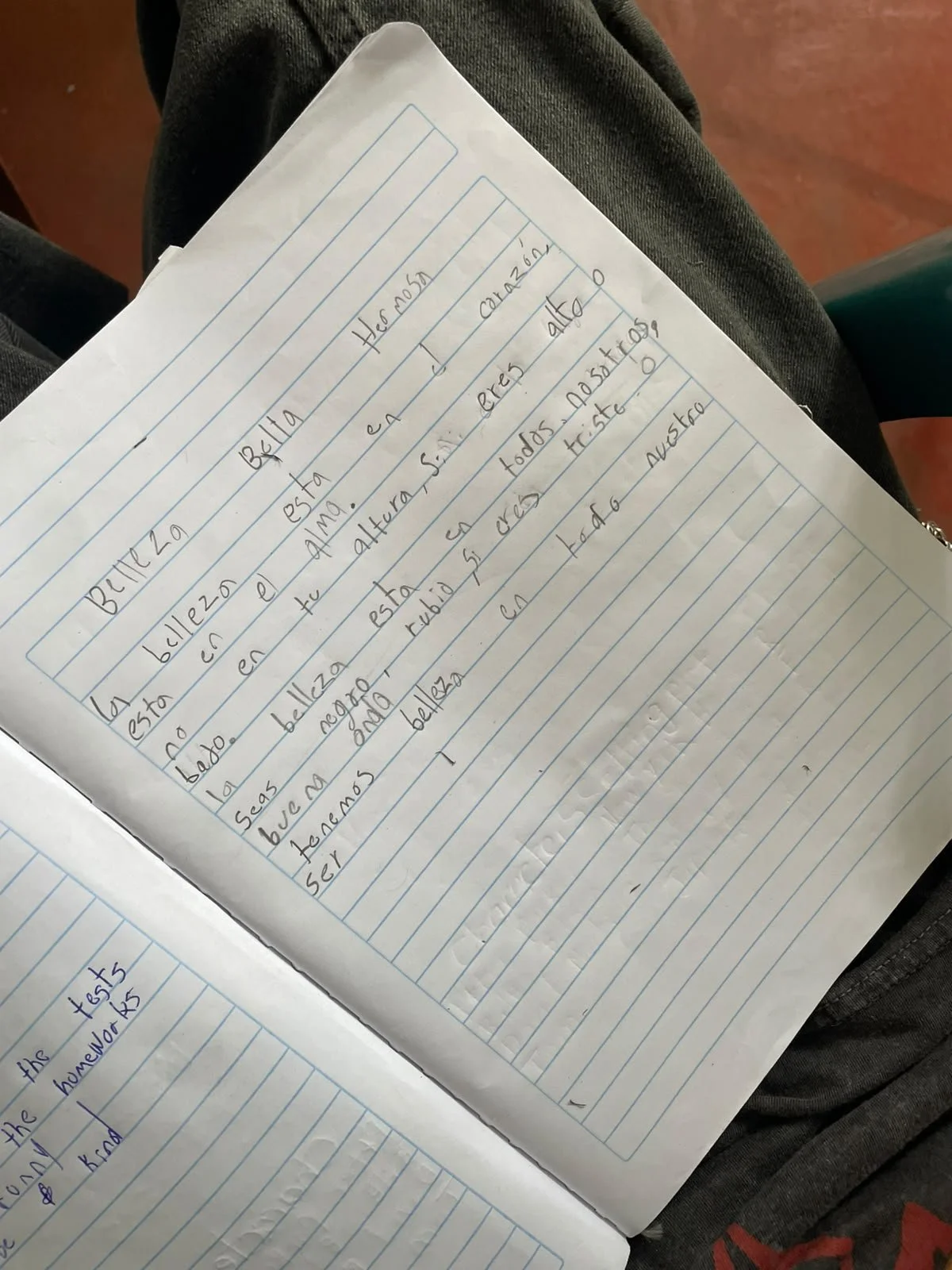
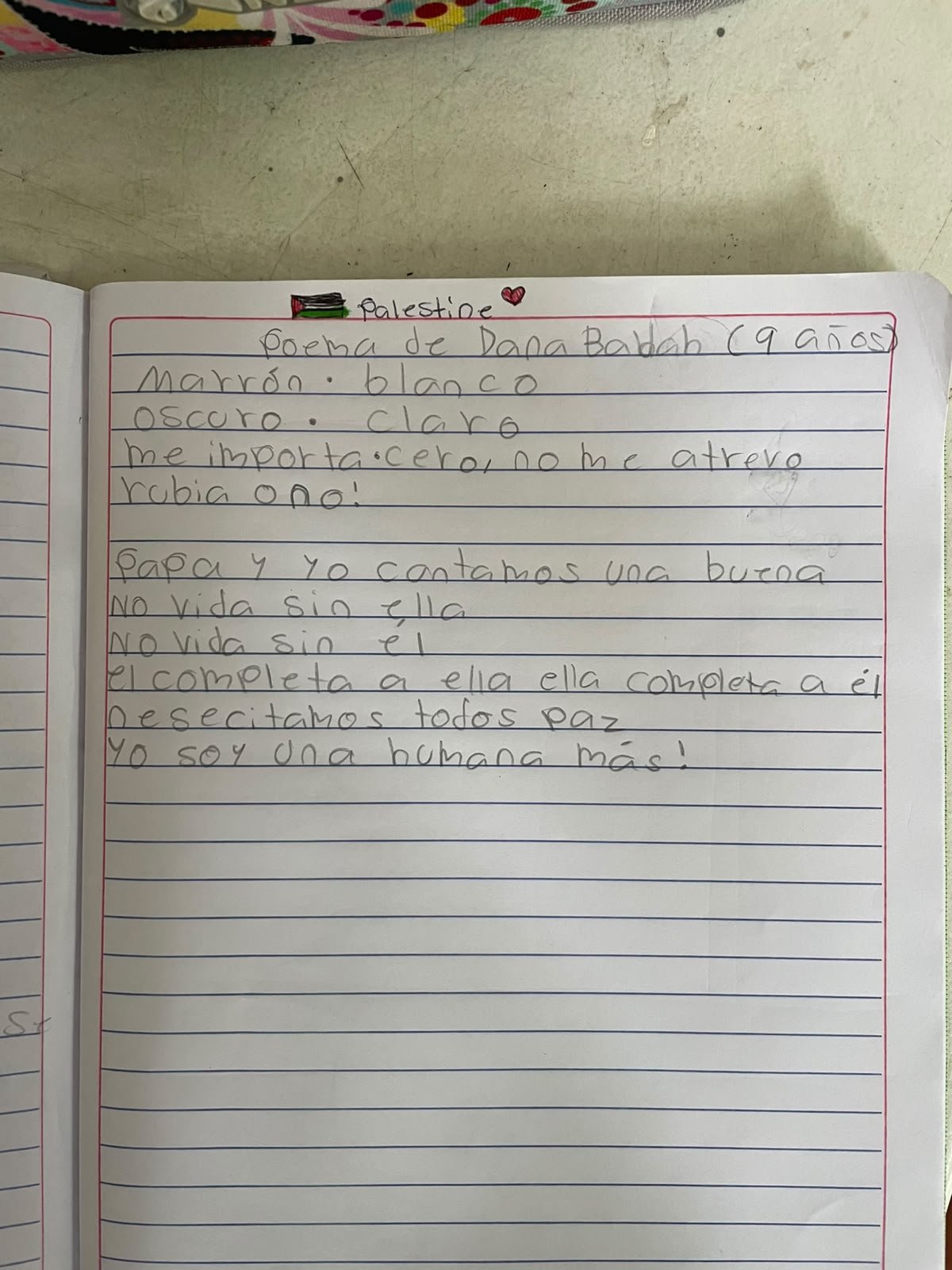
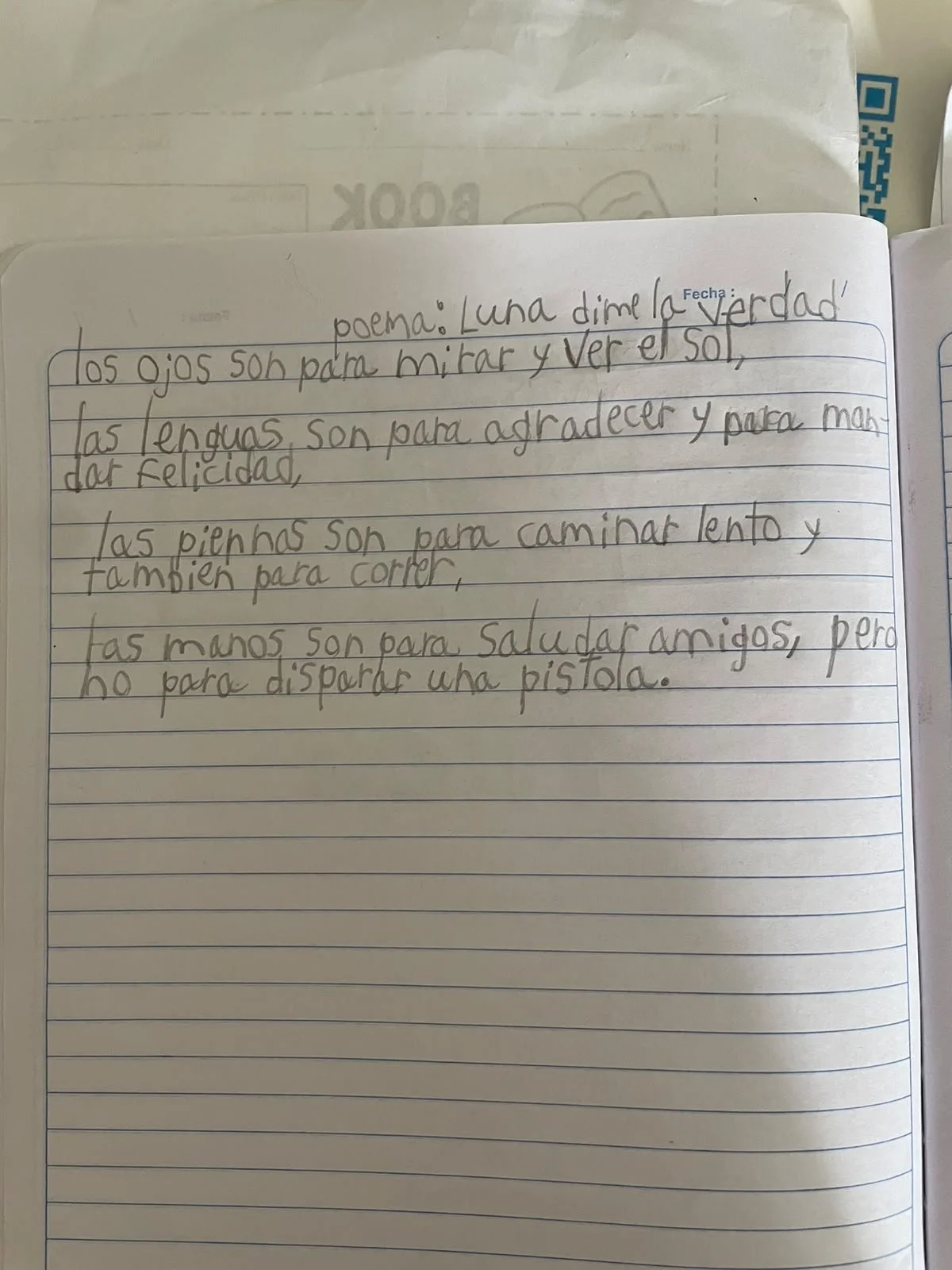
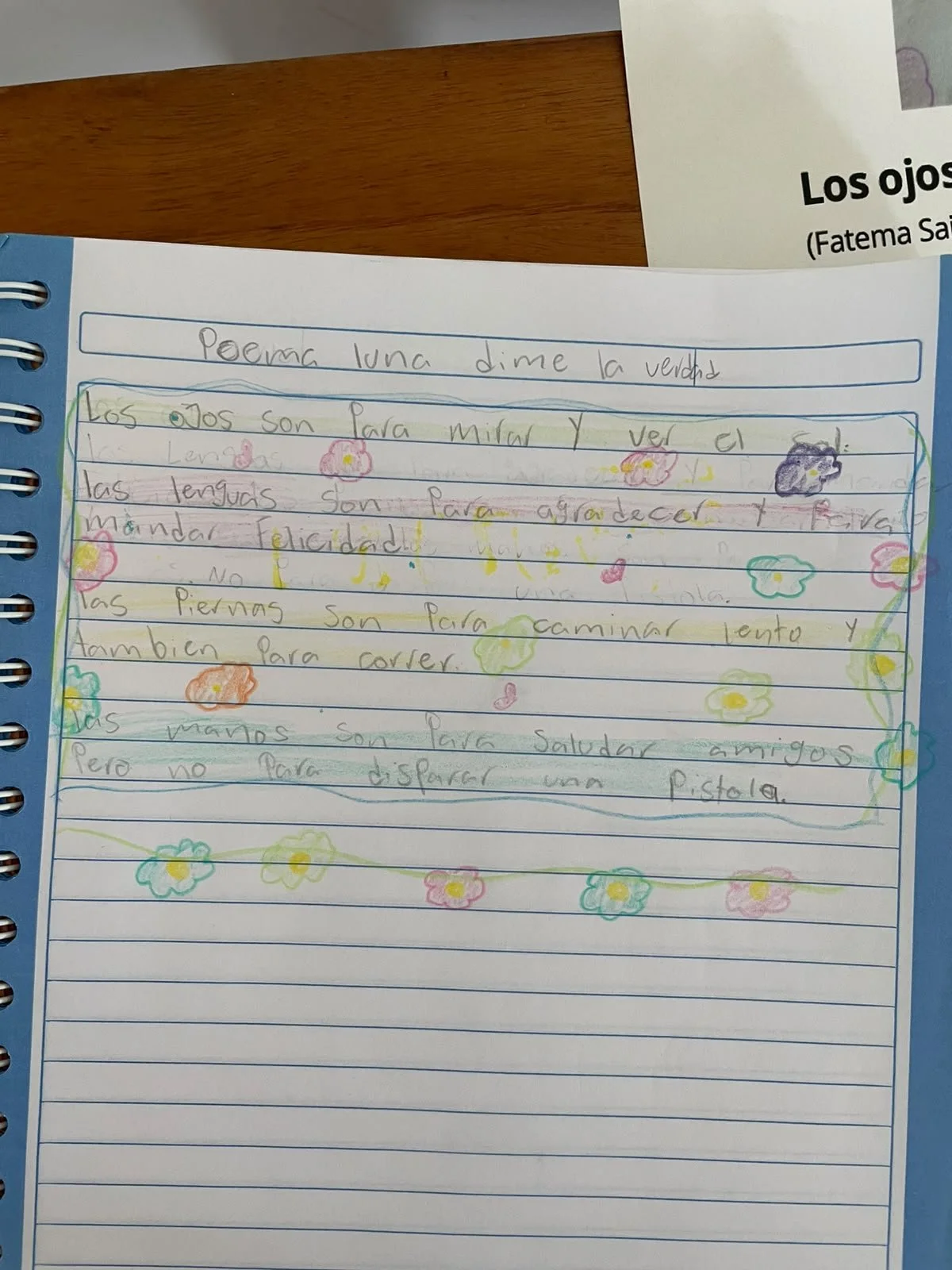
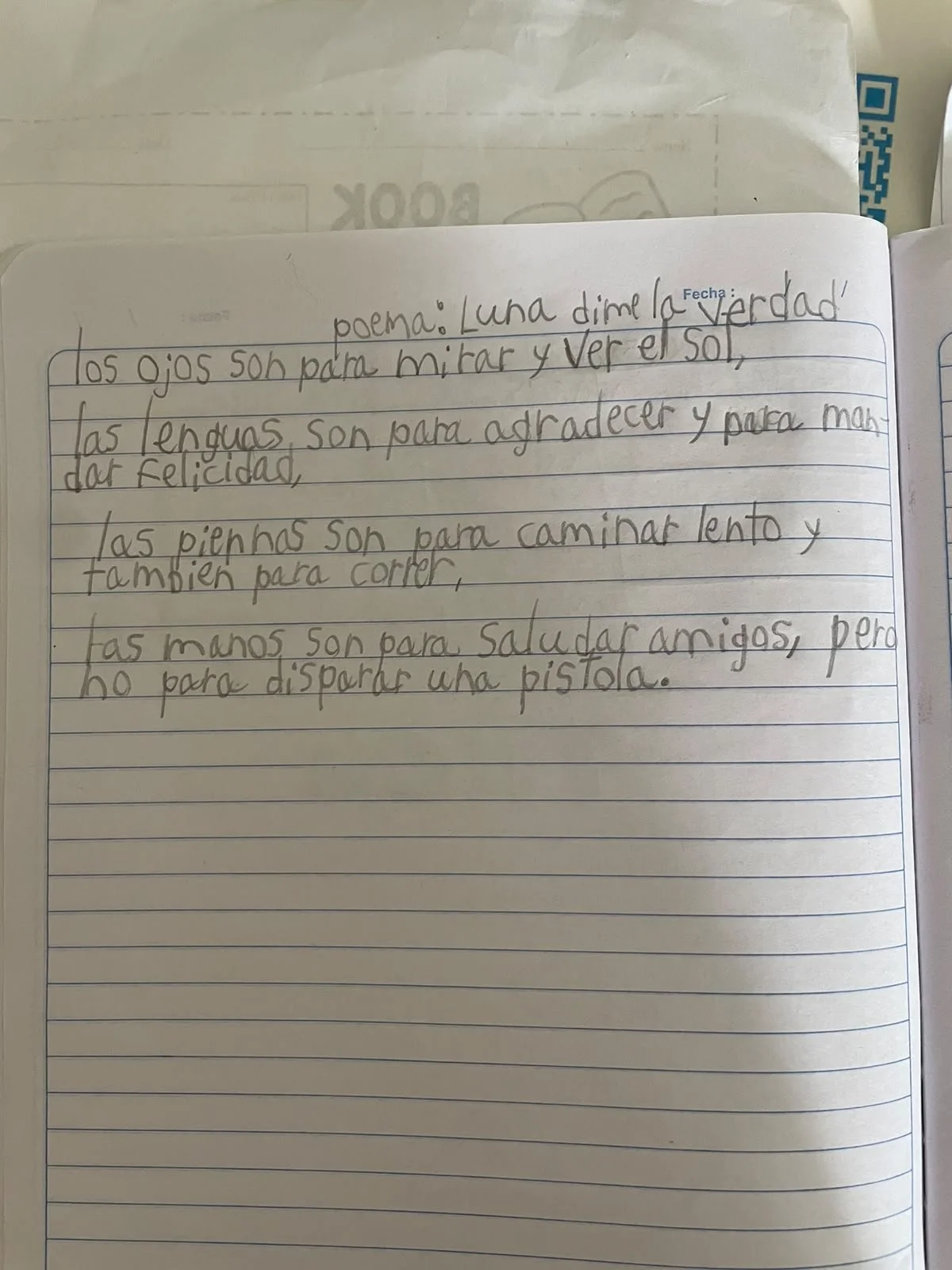
Yasmin was so inspired by this process that she decided to see if her son’s school would be interested in trying to do some. Below are some of the translations of poems in ‘Moon’, done by children at Eco Farms primary school, Antigua, Guatemala.
So over to you! What do you think about using translation as a tool for learning in your classes ? Do you have any experiences that you’d be happy to share with us in the comments below?